What Do Earwigs Eat? A Closer Look at These Unusual Insects
Earwigs are among the most misunderstood household pests. With their pincers and nocturnal habits, they often evoke unnecessary fear, but in reality, they are relatively harmless to humans. One of the most common questions homeowners ask is: What do earwigs eat? Understanding their diet can help you manage these pests more effectively and prevent infestations in and around your home. If you’re struggling with earwig problems, proper earwig control methods are essential to protect your home and garden.
In this blog post, we’ll explore what earwigs consume, why their diet matters to homeowners, and how professional pest control in Abington, MA can help when these pests become a problem.
Understanding Earwigs: The Basics
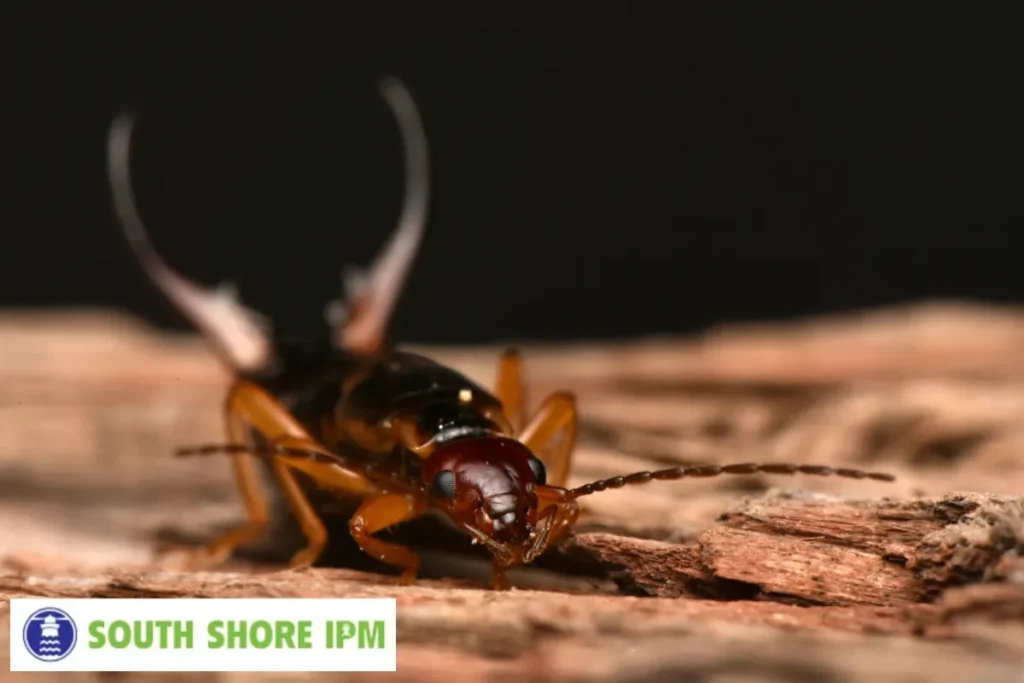
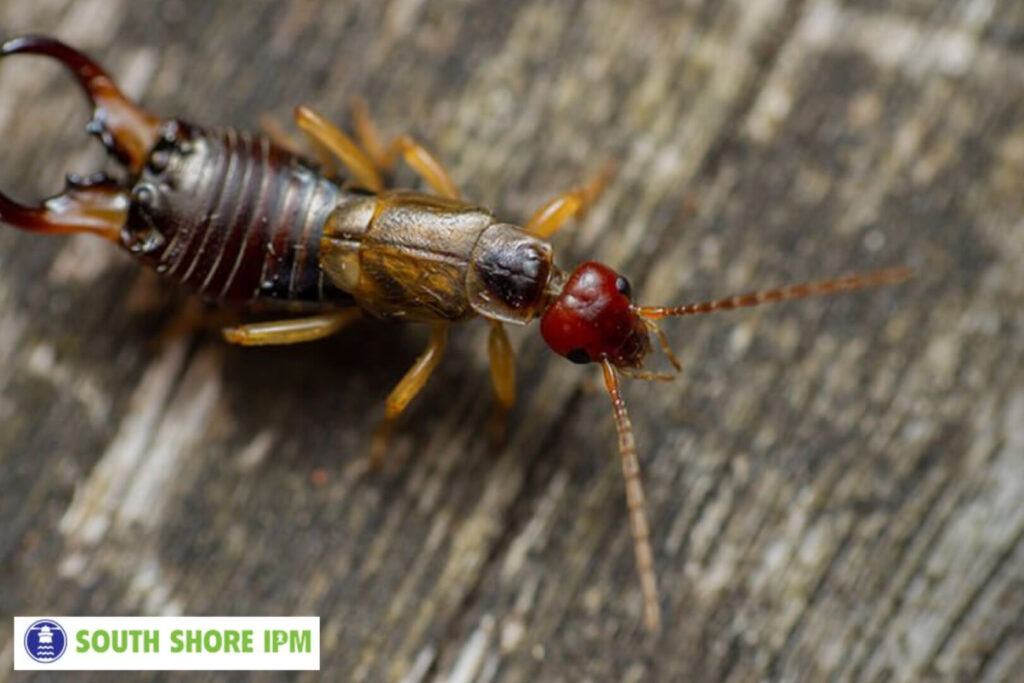
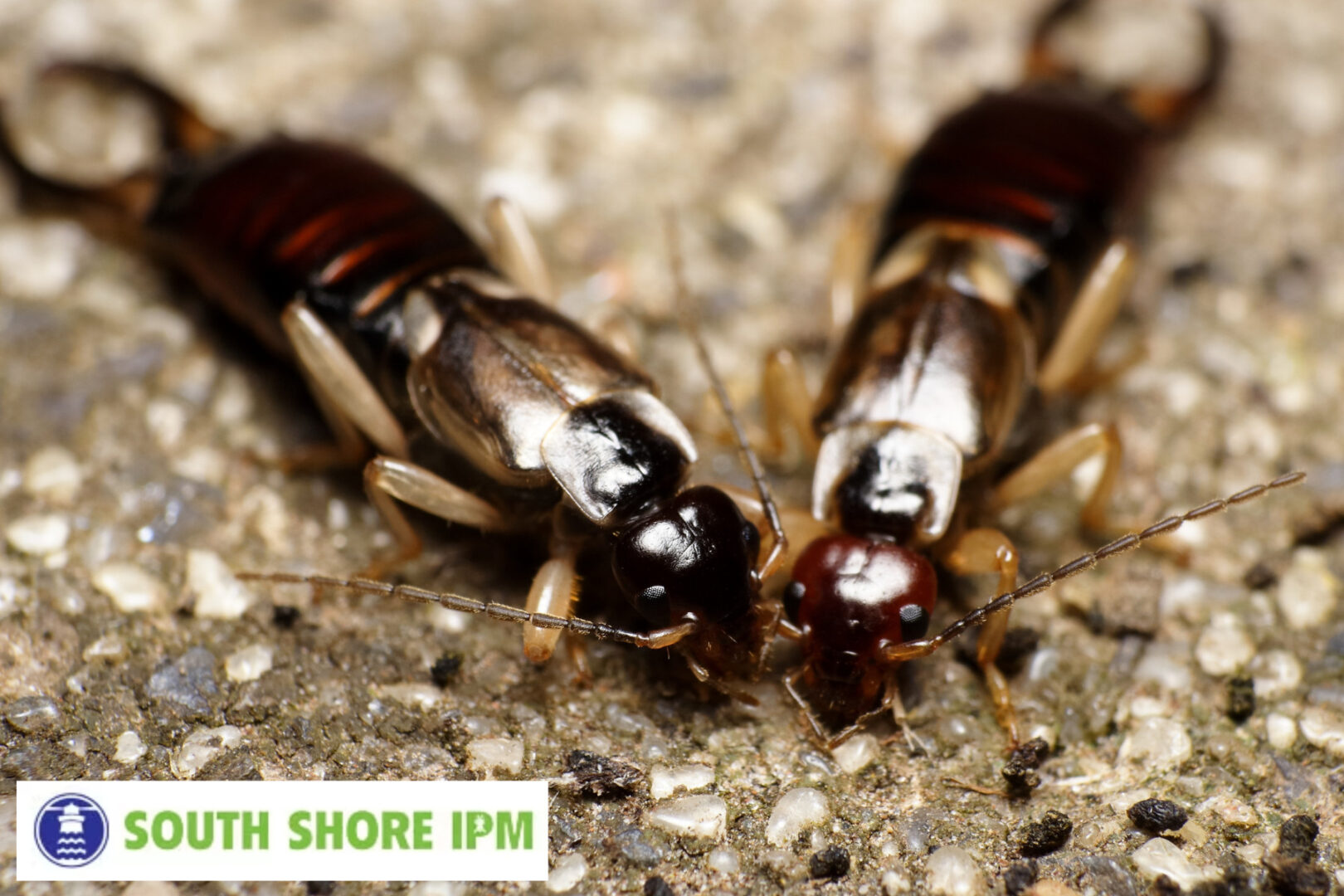
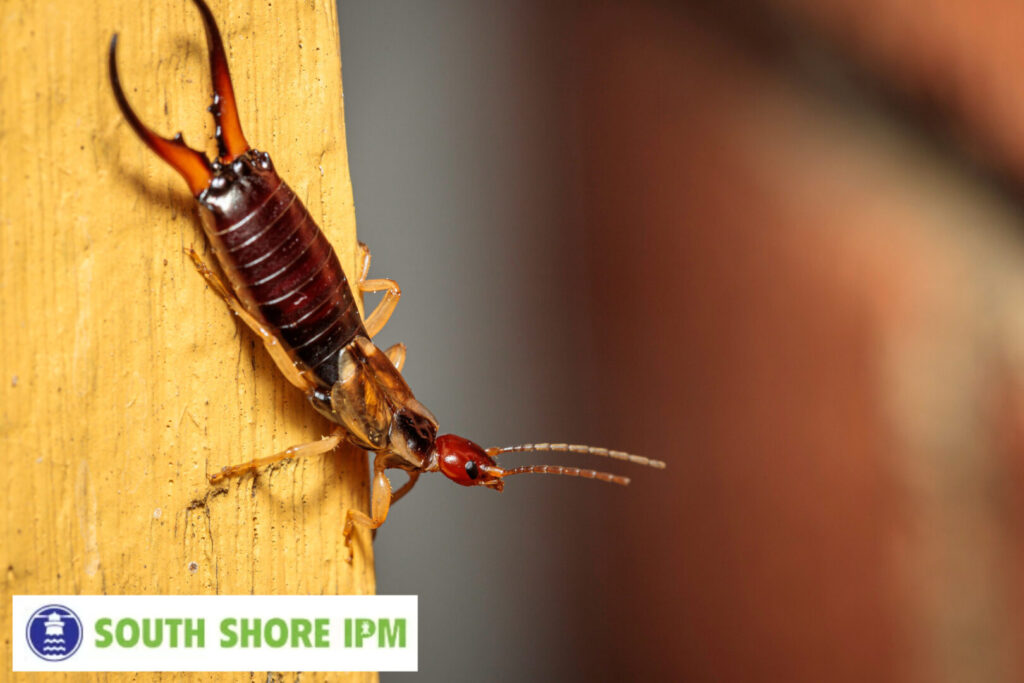
Earwigs are small, dark insects typically ranging from 5 to 25 mm in length. Their most notable feature is a set of forceps-like pincers at the end of their abdomen. These pincers are not dangerous to humans and are mainly used for defense and capturing prey.
Earwigs are nocturnal and prefer moist, dark environments. You’ll often find them under mulch, stones, logs, or in damp basements and bathrooms. While they rarely cause structural damage, their presence indoors can be unsettling for many homeowners.
What Do Earwigs Eat?
The diet of an earwig is surprisingly diverse. These opportunistic feeders are omnivores, meaning they consume both plant and animal matter. Understanding what earwigs eat is crucial for managing their presence in and around your home. Here’s a breakdown of the most common foods on their menu:
- Decaying Plant Matter
Earwigs thrive on decomposing vegetation, including dead leaves, wood, and mulch. This makes them somewhat beneficial in garden ecosystems, where they help break down organic material, though they can sometimes cause damage to tender plants in the process. - Live Plants and Seedlings
While earwigs may prefer decaying plant matter, they can also feed on live plants. They often target soft-skinned produce like strawberries, lettuce, and flowers. If you notice jagged holes in your garden plants, earwigs may be the culprit. - Insects and Larvae
Earwigs also feed on smaller pests such as aphids, mites, and insect larvae. This predatory behavior can be beneficial for controlling garden pests, though their damage to other plants can outweigh these benefits. - Fungi and Algae
In damp, shaded areas, earwigs have been known to consume fungi and algae. This helps explain their attraction to dark and moist environments around the home and garden. - Household Organic Matter
Indoors, earwigs may feed on crumbs, grease, and pet food. While they don’t typically infest stored food like pantry pests, their scavenging habits can lead them to explore kitchens and bathrooms in search of sustenance.
Why Understanding What Earwigs Eat Matters
Knowing what earwigs eat is essential for preventing and managing infestations. Their dietary preferences help identify conditions that may attract them to your home:
- Excess moisture around your home creates a perfect habitat for earwigs and their food sources (mold, fungi, decomposing plants).
- Over-mulched garden beds or piles of yard debris provide both food and shelter.
- Poorly stored pet food or crumbs in the kitchen may entice earwigs indoors.
By addressing these attractants, homeowners can make their property less inviting to earwigs.
Do Earwigs Pose a Threat?
While earwigs may look intimidating, they are generally more of a nuisance than a danger. Their pincers rarely break human skin, and they do not carry diseases. However, they can:
- Damage plants and vegetables in gardens.
- Invade basements, bathrooms, and kitchens, especially during the summer months when moisture levels rise.
- Startle homeowners with their sudden appearance in damp areas.
If you’re dealing with a persistent issue, understanding how to get rid of earwigs can save you time and stress. The key is a comprehensive pest control strategy tailored to your home’s needs.
Prevention Tips for Homeowners
Reducing moisture and food sources is the first step in preventing earwig infestations. Here are some practical tips:
- Eliminate Moisture:
Fix leaky pipes and faucets, use a dehumidifier in damp areas, and ensure proper drainage around your home. - Declutter Outdoor Areas:
Avoid over-mulching garden beds, rake up dead leaves and grass clippings, and store firewood off the ground and away from your home. - Seal Entry Points:
Install door sweeps and weather stripping, seal cracks and gaps around windows, doors, and foundations. - Maintain a Clean Environment:
Clean up crumbs and food spills promptly, store pet food in airtight containers, and empty indoor trash regularly.
When to Call the Professionals
Despite your best efforts, earwig infestations can still occur, especially in areas with high humidity or dense vegetation. If you’ve tried preventive measures but still see signs of infestation, professional pest control services in Abington, MA, may be the best solution.
At South Shore IPM, we provide effective, eco-conscious pest management to address a wide range of pests, including earwigs. Our team tailors every plan to your specific environment, ensuring a solution that’s both safe and long-lasting.
If you’re wondering how to get rid of earwigs, our expert technicians can assess your home, apply green, safe pesticides, and set up a customized plan to keep pests out for good. We proudly serve the Abington region with reliable and proven pest management services.
About South Shore IPM
At South Shore IPM, we’re dedicated to protecting your home or business from unwanted pests. Our team understands that pests like earwigs, ants, rodents, and termites are more than just a nuisance; they can impact your peace of mind, property, and health.
We specialize in pest control in Abington and surrounding communities, offering tailored services like bi-monthly, quarterly, and semi-annual treatment plans. Our service packages include everything from full-season pest protection and mosquito control to rodent management and organic options.
We utilize eco-friendly products and exterior-focused treatment techniques to build a strong, protective barrier around your property in Abington, ensuring minimal impact on your indoor living space. Our highly trained exterminator in Abington, MA, conducts thorough inspections, applies treatment only where necessary, and follows up with consistent prevention strategies.
Need help with earwigs or other pests? Contact us today for a free consultation and expert pest control in Abington, MA.
LEARN MORE HERE:
The Truth About Flying Earwigs: Should You Be Concerned?
What Are Earwigs a Sign Of? Understanding These Unwelcome Visitors