Are Spiders in Your Yard Helping or Hurting? What Outdoor Spiders Eat and Why It Matters
If you’ve ever stumbled across a web strung between your porch rails or found a long-legged visitor crawling on your garden bench, you’ve likely asked yourself: Are spiders in my yard helping or hurting? The answer might surprise you. Spiders often get a bad rap for being creepy and invasive, but in reality, many of them play a vital role in maintaining a balanced outdoor ecosystem.
Whether you’re a fan of these eight-legged creatures or can’t stand the sight of them, it’s important to understand their role in your yard. In this article, we’ll explore what spiders eat, how they impact your landscape, and why their presence may be more beneficial than harmful if kept under control.
The Role of Spiders in Your Outdoor Ecosystem
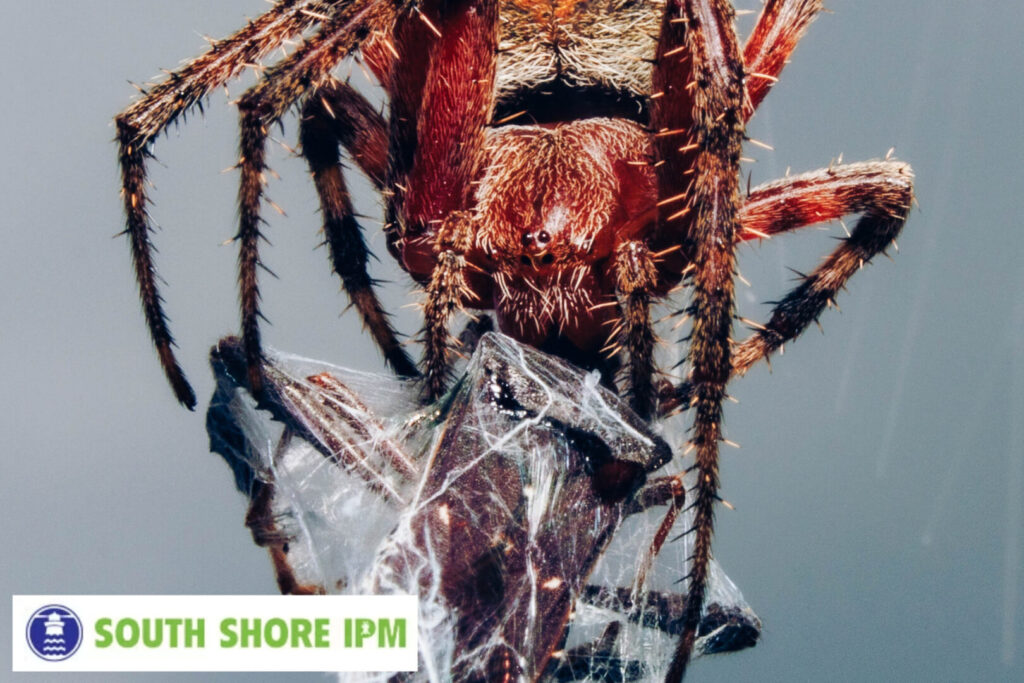
While their appearance can be alarming, most outdoor spiders are not dangerous to humans. In fact, they’re natural pest controllers. Spiders are predators, and they consume a wide variety of insects that would otherwise take over your garden or enter your home.
By feeding on common pests, spiders help keep populations of flies, mosquitoes, beetles, and even moths under control. Their webs serve as passive traps, catching insects that might otherwise bother your family or damage your plants.
What Are Spiders Good For
Spiders play a crucial role in maintaining a healthy outdoor environment by serving as natural pest-control agents. They help reduce populations of insects like mosquitoes, flies, moths, and aphids, many of which can damage plants or become a nuisance around your home. By keeping these pests in check, spiders indirectly protect your garden and reduce the need for chemical treatments.
Another benefit is that spiders help maintain ecological balance. Their presence indicates that your yard has a functioning food chain, which is a sign of a healthy ecosystem. In many cases, having a moderate number of spiders outdoors can actually prevent larger pest infestations from developing.
While they may not be the most welcome guests visually, spiders are quietly working behind the scenes to make your outdoor space more comfortable and less prone to insect problems.
What Do Outdoor Spiders Eat?
You might be wondering: what do spiders eat outside your home? The answer depends on the type of spider and its hunting strategy.
Common Spider Diet Includes:
- Mosquitoes – A favorite snack for many web-building spiders.
- Flies and gnats – Easily trapped in webs and plentiful around homes.
- Moths – Often caught near porch lights and windows.
- Beetles – Including leaf-eating and garden pests.
- Aphids and plant-eating insects – Making spiders useful allies for gardeners.
- Other spiders – Some species are cannibalistic or hunt smaller spider types.
- Crickets – A frequent prey item, especially relevant when addressing spiders and cricket issues.
Spiders are opportunistic predators, feeding on what’s available. Their diet often reflects the health and pest pressure of your outdoor environment.
Are All Spiders Helpful?
While many spiders are beneficial, not all of them are welcome. Some outdoor spiders can:
- Wander inside your home in search of warmth or food.
- Lay egg sacs in garages, sheds, and window wells.
- Startle children or pets, especially large species like wolf spiders.
- Build unsightly webs in high-traffic areas.
It’s about balance. A healthy yard can support a population of outdoor spiders without letting things get out of hand. But if you’re seeing excessive webs or spiders making their way indoors, it might be time to evaluate your pest control strategy.
Signs Your Yard May Be Overrun
While spotting the occasional spider is normal, you should keep an eye out for these signs that they’re becoming more of a problem than a benefit:
- Numerous webs around windows, doors, or outdoor furniture.
- Frequent spider sightings near entry points to your home.
- An uptick in insect activity that might be attracting spiders.
- Nesting behavior in patio umbrellas, garden boxes, or mailboxes.
In these cases, you may benefit from spider control to assess and restore balance to your outdoor space.
How Spiders Can Affect Your Home’s Pest Control Plan
Here’s the twist: spiders don’t just eat pests. They can also be a sign of too many pests around. Spiders go where the food is, and if they’ve taken up residence in your yard, it’s likely they’ve found an ample supply of prey.
This can be particularly important in areas like Weymouth, Massachusetts, where seasonal changes impact insect activity. More insects = more spiders. By keeping your pest population in check with regular maintenance, you can naturally reduce spider presence too.
Natural Ways to Keep Spiders in Check
Not a fan of spiders, even if they’re helpful? You’re not alone. Fortunately, there are some natural ways to reduce their presence without disturbing your yard’s ecosystem:
1. Eliminate Excess Insects
Since spiders feed on other bugs, reducing the bug population reduces their food source. Regular outdoor maintenance and pest control in Weymouth, MA, can make a big difference.
2. Declutter the Yard
Keep garden areas, sheds, and garages free from clutter where spiders may nest or hide. Remove leaves, firewood piles, and debris.
3. Install Outdoor Lighting Wisely
Lights attract insects, and insects attract spiders. Use warm-colored bulbs or motion sensors to reduce this chain reaction.
4. Seal Cracks and Entry Points
Stop spiders from making the leap from your yard into your home by sealing gaps around windows, doors, vents, and foundation lines.
5. Apply Treatment Around Perimeter
Using green and safe pesticides, professionals can apply treatment to the perimeter of your home, targeting high-activity areas like eaves, window frames, and foundations.
When to Consider Professional Help
If you’ve tried natural strategies but still notice spiders around your home or entering your living space, it may be time for professional intervention. Experts can identify which spider species are present, evaluate food sources, and implement a customized treatment plan using eco-conscious methods.
Professionals understand the local environment, which is essential for effective pest control in Weymouth. They’ll also ensure treatments are targeted, long-lasting, and safe for your family and pets.
Final Thoughts: Are Spiders in Your Yard Helping or Hurting?
Ultimately, spiders in your yard are usually doing more good than harm. They’re natural predators that help control mosquito, fly, and other insect populations. However, if the balance tips and you start noticing more spiders than usual, or if they begin moving indoors, it’s a sign that something needs to be addressed.
Understanding what spiders eat and how their behavior reflects larger pest problems is key to maintaining a healthy, pest-free yard and home. By working with experienced professionals and following smart home maintenance practices, you can keep spiders in check while still benefiting from their pest-control superpowers.
About South Shore IPM
At South Shore IPM, we understand that pest management isn’t just about eliminating pests; it’s about creating lasting peace of mind for your home and family. Based in Massachusetts, we specialize in eco-friendly, customized solutions that protect both your property and the environment.
Whether you’re dealing with spiders, mosquitoes, ticks, ants, rodents, or termites, our team of trained professionals brings science-based solutions and exceptional service to every visit. We offer specialized plans tailored to your needs, including seasonal mosquito protection, termite monitoring with Sentricon systems, and organic pest control options.
Our expert team uses green, safe pesticides and applies treatments to critical exterior areas to establish a strong perimeter around your home. As a trusted exterminator in Weymouth, we offer everything from one-time treatments to full-season service plans, providing reliable solutions backed by integrity and a commitment to your safety.
Frequently Asked Questions
Are spiders good to have around your home?
Yes, spiders can be beneficial because they help control insect populations, such as mosquitoes, flies, and other pests. However, too many spiders may indicate a larger pest issue.
Why are there so many spiders in my yard?
Spiders are usually present because there is a steady food source. If your yard has a lot of insects, it naturally attracts more spiders.
Do spiders mean I have an infestation?
Not always, but an increase in spider activity can signal the presence of other pests. Spiders go where food is available.
How can I reduce spiders naturally?
You can reduce spiders by lowering insect activity, sealing entry points, keeping your yard clean, and minimizing clutter where they can hide.
When should I call an exterminator?
If you notice excessive webs, frequent indoor sightings, or spiders nesting near entry points, it’s a good idea to contact a professional exterminator in Weymouth for an inspection and treatment plan.
Get Professional Help Today
If spiders are becoming more of a problem than a benefit, it’s time to take action. Our team provides safe, effective solutions designed to restore balance to your home and yard. As a reliable exterminator in Weymouth, we’re here to help you reduce pests and keep your property protected year-round.
Contact us today to schedule your inspection and take the first step toward a safer, pest-free environment.
Other related blogs:
What’s on the Spider Menu? A Closer Look at How Different Spiders Hunt and Eat
The Ultimate Guide to Keeping Spiders Out of Your Home