Do Carpenter Bees Sting? Everything You Need to Know
Carpenter bees are often mistaken for bumblebees, but their behavior and impact on your home can be quite different. These solitary insects are famous for burrowing into wood to build nests, which can cause property damage over time. One of the most common questions homeowners ask is: Do carpenter bees sting? Let’s take a closer look at the truth behind carpenter bee stings, their behavior, and what you can do to protect your property.
Understanding Carpenter Bees
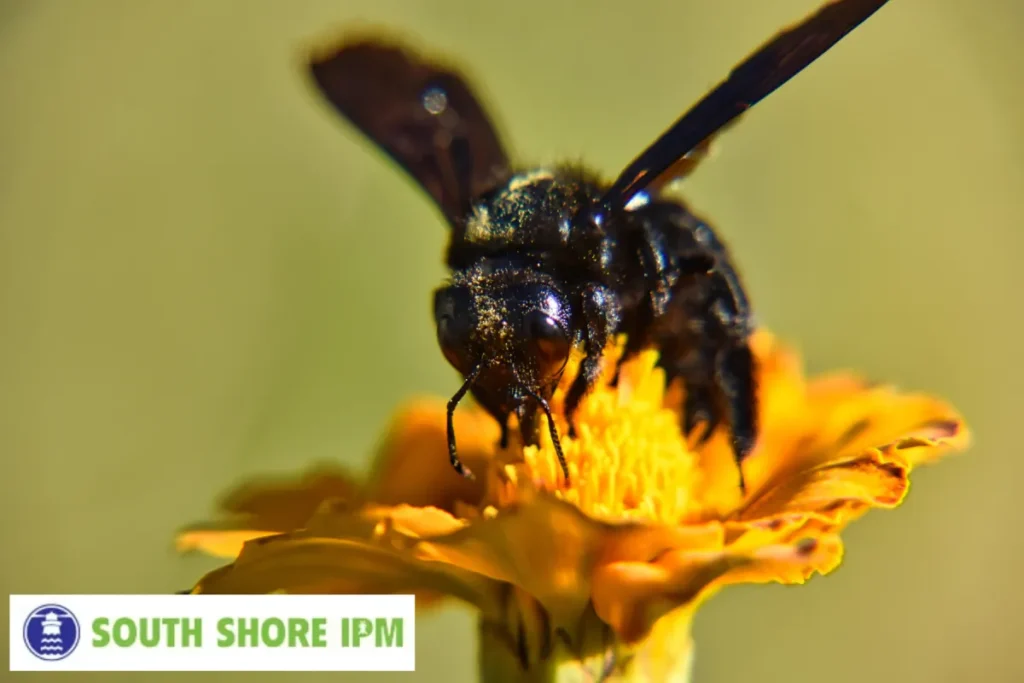
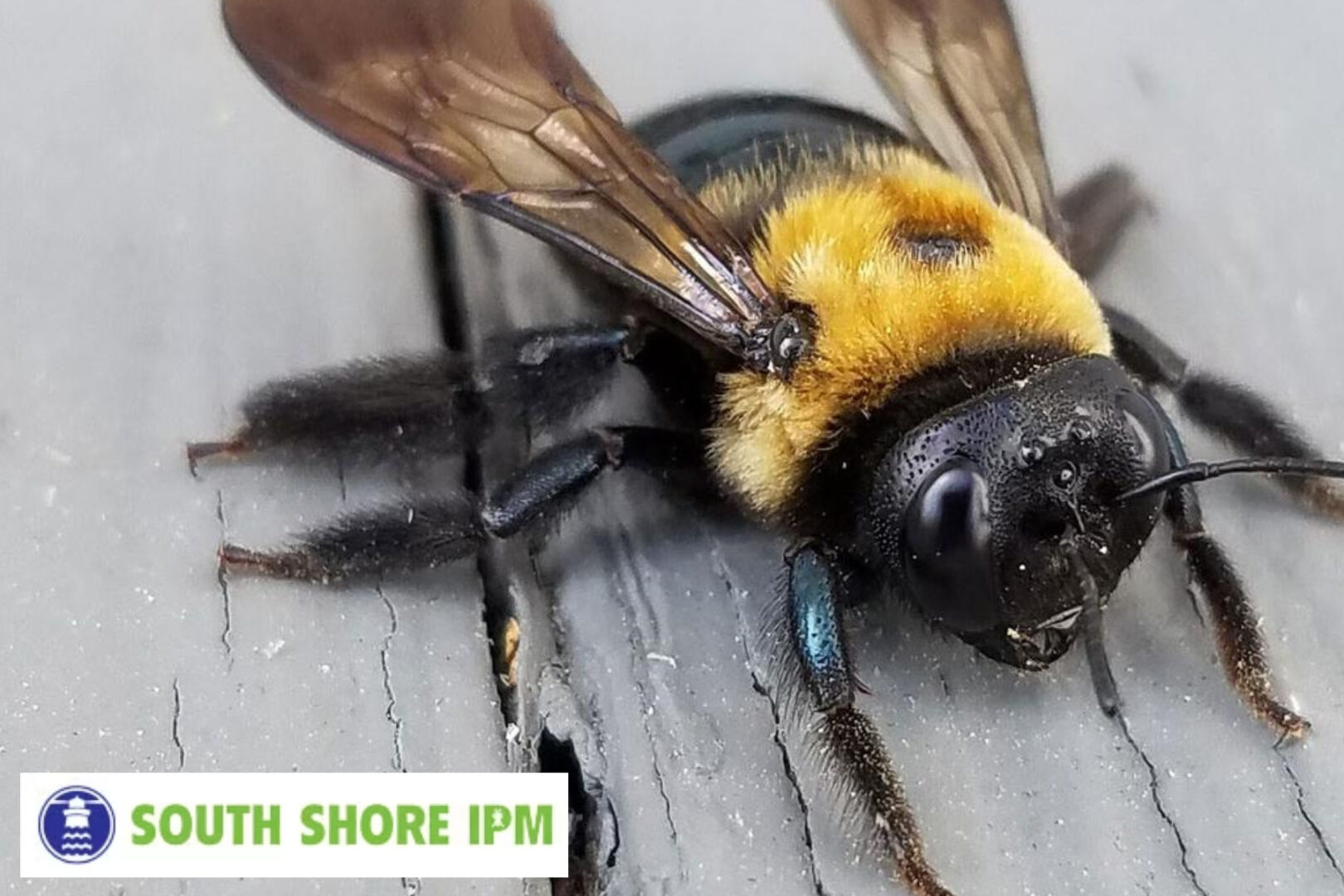
Carpenter bees are large, black-and-yellow insects that look very similar to bumblebees. The major difference? Carpenter bees have shiny, hairless abdomens, while bumblebees are fuzzy all over. They get their name from their nesting habits: rather than building hives, they tunnel into untreated wood to lay eggs.
Unlike social bees, carpenter bees are solitary. Each female carpenter bee creates her own nest, although it’s not uncommon to see multiple nests in the same general area. These bees are particularly active in the spring when they emerge to mate and start nesting.
Do Carpenter Bees Sting?
The answer is both yes and no. Male carpenter bees cannot sting at all. They may seem aggressive and fly close to humans, especially near their nests, but they lack a stinger and cannot cause harm. Their bluffing behavior is a defensive mechanism to scare off potential threats.
Female carpenter bees, on the other hand, do have stingers and are capable of stinging. However, they are not naturally aggressive and typically only sting if directly provoked or handled. This means that while the risk is present, it’s relatively low compared to other stinging insects, such as wasps or hornets.
For individuals who are allergic to bee stings, any sting can be dangerous. That’s why it’s still important to handle carpenter bee problems with care and seek professional assistance when needed.
Are Carpenter Bees Dangerous?
While carpenter bees don’t pose a significant health threat through stinging, they can cause structural damage to your home. Over time, their nesting activity can weaken wood, especially in areas like eaves, decks, fences, and siding.
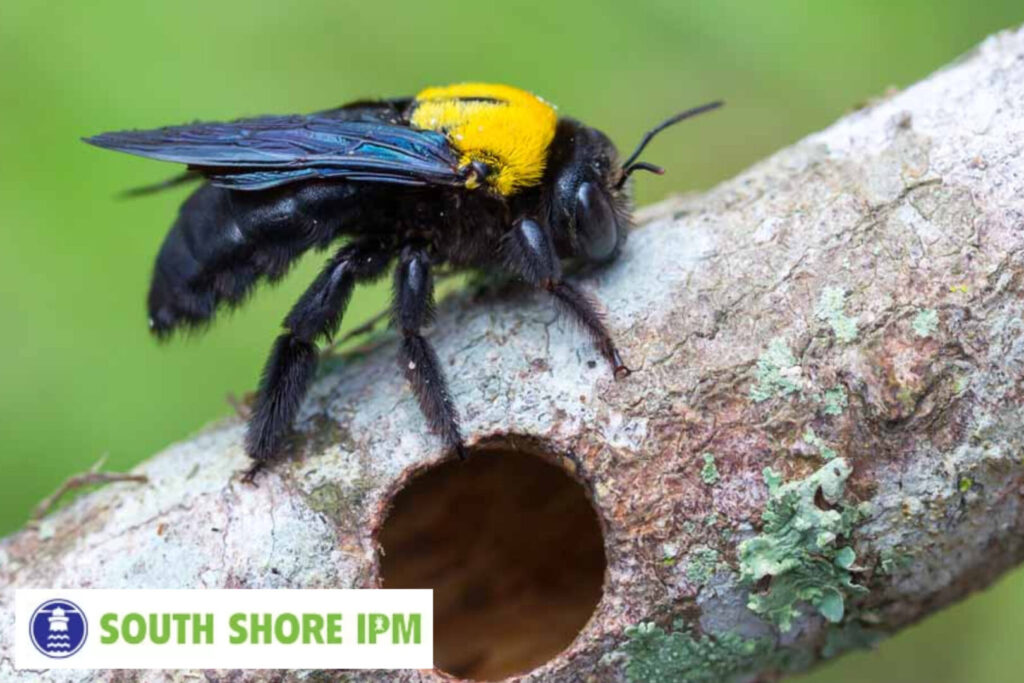
Female carpenter bees drill perfectly round holes into wood, creating tunnels that can extend several inches. These tunnels are reused year after year, and as more bees nest in the same area, the damage can become extensive. This may attract woodpeckers, which feed on carpenter bee larvae, leading to even more destruction.
How to Tell If You Have Carpenter Bees
Signs of a carpenter bee infestation include:
- Perfectly round holes in wooden surfaces
- Sawdust beneath the holes (known as frass)
- Yellowish stains near entry holes
- Increased bee activity around wood structures
If you spot these signs, it’s best to seek bee control options or contact a licensed provider, such as South Shore IPM, to assess and manage the situation safely.
Different Types of Bees and Their Behaviors
It’s easy to confuse carpenter bees with other species, which is why understanding the different types of bees is important for both safety and effective treatment. Here’s a quick comparison:
- Carpenter Bees: Solitary, burrow into wood; males cannot sting
- Bumblebees: Social, nest underground, can sting multiple times
- Honeybees: Social, build wax hives, sting once
- Wasps/Hornets: Not bees, more aggressive, known for painful stings
Knowing the type of bee you’re dealing with can help you determine the right response and why contacting professionals for Braintree pest control services is a smart move.
Natural Prevention Tips
Carpenter bees prefer untreated, unpainted wood. Here are some natural steps to deter them:
- Paint or varnish exposed wooden surfaces
- Use hardwoods that are less attractive to carpenter bees
- Fill in old nests with wood putty
- Install traps around nesting areas
- Apply citrus oil or almond oil, which carpenter bees dislike
While these tips can reduce activity, they are not a guaranteed solution. Severe or recurring infestations should be handled by professionals offering pest control services in Braintree.
Frequently Asked Questions
Do carpenter bees sting?
Yes, but only female carpenter bees can sting. Male carpenter bees may fly close to people, but they do not have stingers and cannot sting.
Are carpenter bee stings dangerous?
For most people, carpenter bee stings are painful but not usually dangerous. However, are carpenter bee stings dangerous for people with bee sting allergies? Yes, allergic reactions can be serious and may require medical attention.
Do carpenter bees sting people?
Yes, whether carpenter bees sting people is a common question because they often hover near homes. Female carpenter bees can sting people, but they usually only do so when handled or directly provoked.
Do wood bees sting?
Yes, do wood bees sting? The answer is the same as carpenter bees. Female wood bees can sting, while males cannot. They are not usually aggressive, but nests should still be handled carefully.
Do female carpenter bees sting?
Yes, whether female carpenter bees sting is important to know because females have stingers. They can sting if threatened, especially when protecting nesting areas in wood.
The Importance of Professional Bee Control
If you suspect a carpenter bee infestation, it’s essential to avoid DIY removal tactics that can agitate the bees or worsen the damage. Instead, search for trusted bee control and contact a team trained in identifying, removing, and preventing carpenter bee issues.
A pest exterminator in Braintree can apply treatments safely using green, non-toxic pesticides and seal off entry points to prevent future nesting. This proactive approach ensures the structural integrity of your property and your family’s safety.
About South Shore IPM
At South Shore IPM, we specialize in creating and maintaining pest-free environments in Braintree, MA, and surrounding areas. Our eco-friendly, customized approach ensures minimal intrusion into your daily life while effectively targeting pests such as carpenter bees, ants, mosquitoes, ticks, and rodents. We offer flexible service plans bi-monthly, quarterly, or semi-annually so you get the right protection when you need it.
From general pest control to specialized carpenter bee treatments, we use advanced methods, including the Sentricon monitoring system and organic options such as the In2Care mosquito program. If you’re looking for reliable, effective, and comprehensive solutions, look no further than South Shore IPM.
Worried about carpenter bees around your home? Contact us today for safe, effective carpenter bee control. Our team can inspect your property, identify nesting areas, treat active carpenter bee activity, and help protect exposed wood from future damage.