
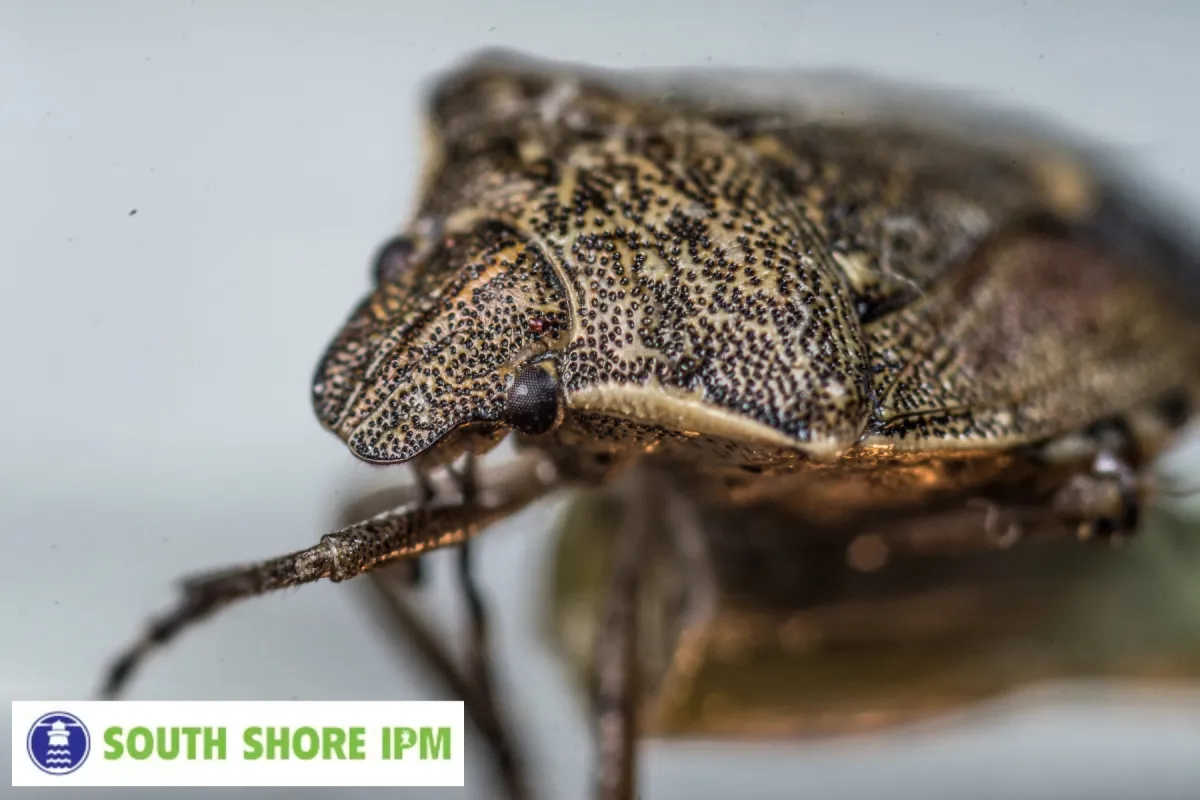
How to Safely Remove Overwintering Stink Bugs
To safely remove overwintering stink bugs without triggering their foul odor, trap them using a light-directed soapy water trap or gently sweep them into a container for outdoor disposal. Avoid crushing, agitating, or vacuuming them directly into a standard bagless vacuum, as this releases their pungent defense scent.
Finding a cluster of shield-shaped insects crawling lazily along your window sashes or flying clumsily around your light fixtures can quickly ruin a peaceful winter evening. When the autumn air turns crisp, these distinctive pests look for a safe place to sleep through the cold weather, often choosing the warmth of human homes. If you are struggling to figure out how to safely remove overwintering stink bugs, you are not alone, and securing proper Pembroke pest control is the most reliable way to secure your perimeter before the next deep freeze.
Taking care of an indoor population requires a strategy that goes beyond grabbing a rolled-up newspaper or turning on a standard vacuum cleaner. If you handle this unique stink bug situation incorrectly, you risk triggering a foul defensive odor that can linger on your furniture and fabrics for days. To protect your home and preserve your peace of mind, you need to understand their natural habits and how to handle them without causing an odor problem.
Identifying Overwintering Aggregations vs. Active Infestations
Before you choose a removal strategy, you must understand exactly why these insects are inside your home. For families navigating winter pest patterns in Pembroke, it helps to know that these creatures are responding to natural seasonal triggers that completely alter their physical systems and movement patterns. They are not entering your living areas during the cold season to feed or lay eggs.
Behavioral Characteristic Variations
| Behavioral Characteristic | Overwintering (Diapause) State | Active Summer State |
| Primary Location | Attics, wall voids, structural soffits, window casings | Backyard gardens, fruit trees, crops |
| Mobility Level | Sluggish, slow crawling, clumsy or erratic indoor flight | Fast flying, highly alert, active foraging |
| Feeding Activity | Zero (Living off stored fat reserves) | High (Piercing fruits and vegetables to suck sap) |
| Population Density | Grouped in clusters (often thousands in one pocket) | Dispersed individually across host plants |
When these pests gather on your property in the fall, they are looking for dark, unheated spaces where they can enter a structural hibernation state known as diapause. However, the artificial heating inside our modern homes often disrupts this cycle. When the warmth from your heating system seeps into your attic or wall voids, it tricks the sleeping bugs into believing that spring has arrived early, causing them to blunder out of ceiling vents and baseboard gaps into your main living rooms.
The 5-Step Safe Extraction Method
If you are trying to resolve an immediate invasion, following a careful physical approach is the best path forward. Using the right sequence of movements outlines exactly how to safely remove overwintering stink bugs without making your living spaces smell like defensive insect pheromones. Utilize this clear, five-step extraction protocol to remove them cleanly from your home:
- Construct a Homemade Light Trap: Fill a wide, shallow disposable pan with warm water and a few drops of liquid dish soap. Position a small desk lamp directly over the water in a dark room overnight so the insects crawl toward the light reflection, drop into the water, and drown immediately because the soap breaks the water’s surface tension.
- Utilize the Stocking Vacuum Method: Slide a knee-high nylon stocking into your vacuum’s extension wand tube, then fold the top of the stocking back over the rim of the nozzle and secure it tightly with a rubber band to catch the bugs before they touch the internal vacuum gears.
- Gently Sweep Low-Level Stragglers: For individual bugs sitting on curtains or walls, avoid picking them up with your bare fingers. Use a soft-bristled hand broom to gently sweep the insects straight into an empty plastic jar, glass container, or sealable storage bag.
- Submerge Trapped Pests in Soapy Water: Once you have gathered the loose bugs in your jar or container, tip them directly into a bucket filled with soapy water to quickly neutralize them without allowing them time to release their pungent alarm scents.
- Dispose of Waste Immediately: Empty the soapy water mixture down an outdoor drain, or tightly tie off the nylon stocking net and place it directly into an exterior trash bin so none of the survivors can crawl back inside.
Debunking the “Blast the Interior Walls With Liquid Applications” Myth
A common industry misconception is that the most effective way to eliminate a winter indoor pest problem is to hire an exterminator in Pembroke, MA to thoroughly coat your interior drywall, baseboards, and ceiling corners with heavy liquid treatment applications. This is an ineffective and deeply flawed approach to seasonal home protection. Once these insects have entered their winter hibernation state deep inside your wall cavities or attic insulation, they are completely isolated from surface treatments.
Applying wet treatments inside your living spaces will not reach the core centers of the hibernating clusters, unnecessarily introduces unwanted product residues into your immediate living environment, and leaves behind thousands of dead insect bodies trapped inside your drywall. These hidden pockets of dead insects can eventually attract secondary scavenger pests, such as carpet beetles, creating an entirely new problem. True protection relies on physical extraction and building strong exterior barriers rather than applying products indoors.
Equipment Specifications for Damage-Free Stink Bug Removal
Soapy Light Trap Actuator
A low-heat LED light bulb positioned 4 to 6 inches above a high-sided aluminum baking pan filled with a 10% liquid dish soap water solution.
Stocking-Bypass Wand
A standard vacuum extension crevice tool modified with an internal 20-denier nylon mesh barrier to keep captured insects confined tracks strictly to the removable nozzle tip.
Exclusion Grade Caulking
100% exterior silicone or polyurethane sealant with a minimum 25% joint movement capability, optimized for closing gaps around window frames, entry doors, and underneath siding boards.
Ventilation Screen Fabric
1/8-inch galvanized hardware cloth or heavy-duty wire mesh installed securely over structural ridge vents, soffits, chimneys, and crawlspace ventilation ports.
Applying our EcoShield Protocol to Solve This
When winter clusters inside your attic spaces or upper wall voids are too large for simple home traps to handle, a professional, systematic approach is necessary to ensure long-term relief. At South Shore IPM, we address these complex winter migrations using our proprietary EcoShield Protocol. This targeted management system allows us to deliver a customized, high-quality treatment plan that eliminates indoor populations cleanly while establishing a reliable shield around your home.
Our process begins with an advanced evaluation of your home’s structural boundaries, utilizing more than 50+ years of combined experience to understand exactly how local architectural styles shift and adapt during the winter months. Our office provides attentive, responsive support to answer your questions and guide you through the mitigation steps. We combine our deep technical knowledge with exceptional customer service, treating your property with the same care and consideration we would show our own homes.
We utilize thermal imaging and specialized detection tools to pinpoint where hidden clusters are resting behind your drywall. Once located, we physically extract the populations using specialized containment systems equipped with internal carbon filters to capture any stray odors. This physical extraction work is always backed by a solid guarantee, ensuring that if any stragglers reappear, our team will return to make things right at no extra cost to you. Once the interior spaces are clear, we transition our focus to the exterior of your house, delivering professional pest control in Pembroke, MA that prevents next autumn’s migration from ever breaching your walls.
Navigating Local Seasonal Challenges
The unique natural landscapes and seasonal changes in our region have a major impact on how these pests move as winter approaches. During a recent home property walkthrough for a local homeowner, our technicians identified that a large row of ornamental trees along the property line was serving as a major nursery for migrating insects during the late summer months. When local temperatures drop, these populations move off the surrounding foliage and travel toward the closest warm structure.
Our team understands how Pembroke weather conditions guide wildlife and crawling pests toward the sunny, south-facing sides of your roofline. By identifying specific gaps in fascia boards, window casings, and historical siding materials before the cold weather sets in, we can intercept infestations early. Building a durable, environmentally friendly exterior defense plan with green and safe pesticides ensures your home stays comfortable, fresh, and pest-free through every season of the year.
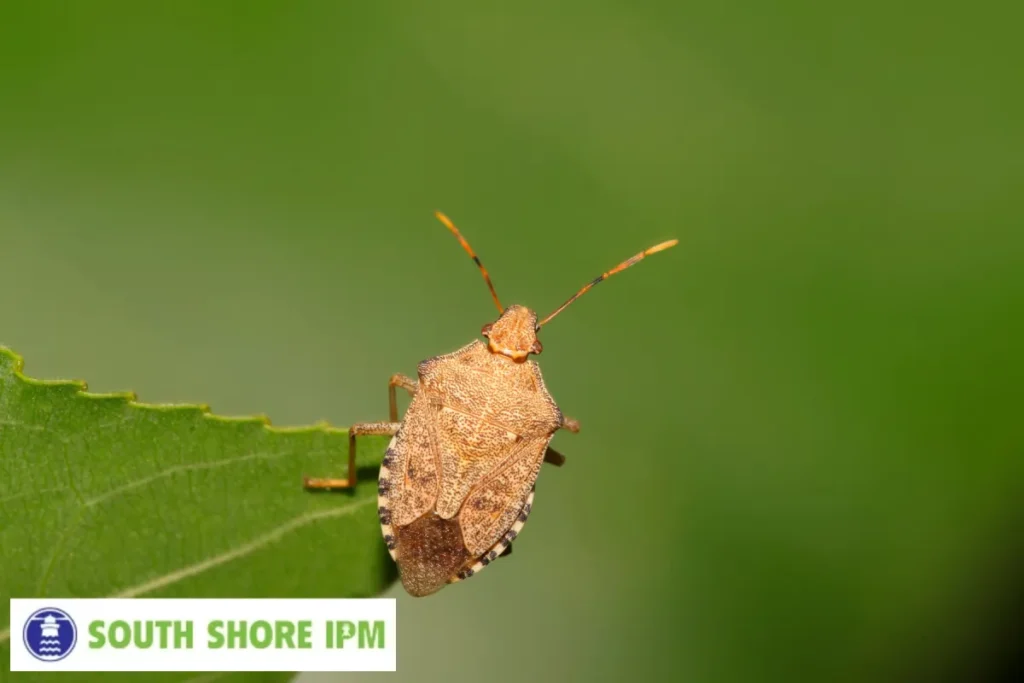
People Also Ask
Q: What causes the distinct smell of a stink bug, and why does it linger?
The pungent odor is caused by specific defensive compounds known as trans-2-decenal and trans-2-octenal. These aldehydes are produced in specialized glands located on the underside of the insect’s body. When the insect is frightened, handled, or crushed, it releases this oily fluid as a defense mechanism to deter predators. Because the fluid is oil-based, it adheres tightly to fabrics, skin, and plastics, making it highly resistant to normal water-based cleaning.
Q: Do overwintering bugs bite humans or cause damage to indoor household items?
No. These insects are strictly herbivorous and possess a needle-like piercing mouthpart designed exclusively for sucking sap from fruits, vegetables, and leaves. They do not have biting jaws, they do not possess stings, and they do not consume wood, drywall, clothing fabrics, or electrical wiring inside your home. They are entirely harmless to humans and pets, acting purely as a structural nuisance.
Q: Can these pests successfully breed or lay eggs while inside my home during the winter?
No. During the winter season, these insects are in a mandatory biological state of hibernation called diapause. This state completely halts their reproductive organs, mating behaviors, and egg-laying capabilities. They will not build nests, lay eggs, or multiply inside your home during the cold months; any active flying or crawling you witness is simply an accidental reaction caused by your indoor heating confusing their internal clocks.
Reclaim a Fresh, Comfortable Living Space
You deserve to enjoy a comfortable, stress-free home all winter long without worrying about clumsy invaders. At South Shore IPM, we are dedicated to serving our community with reliable, eco-conscious pest solutions that put the health of your family and the safety of our planet first. We believe in providing personalized care, transparent recommendations, and smart, long-term prevention strategies that keep pests out of your living space permanently.
If you are ready to discover how to safely remove overwintering stink bugs and protect your perimeter for the upcoming seasons, our team is standing by. Let our experienced, friendly team provide the safe, sustainable protection your property deserves. We are also proud to support our community by offering special discounts for military members, seniors, teachers, and first responders.
Ready to secure your home with an environmentally friendly barrier? Contact us today to schedule your personalized consultation or request a free quote for your property!