What Do Mice Eat? Understanding The Diet Of One Of Nature’s Most Persistent Pests
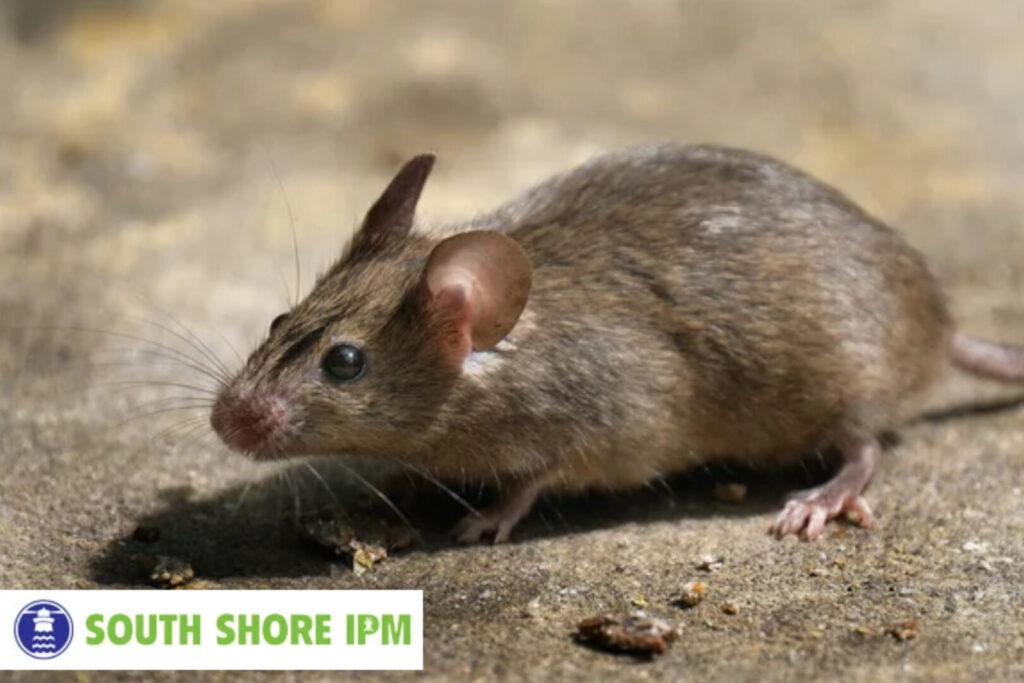
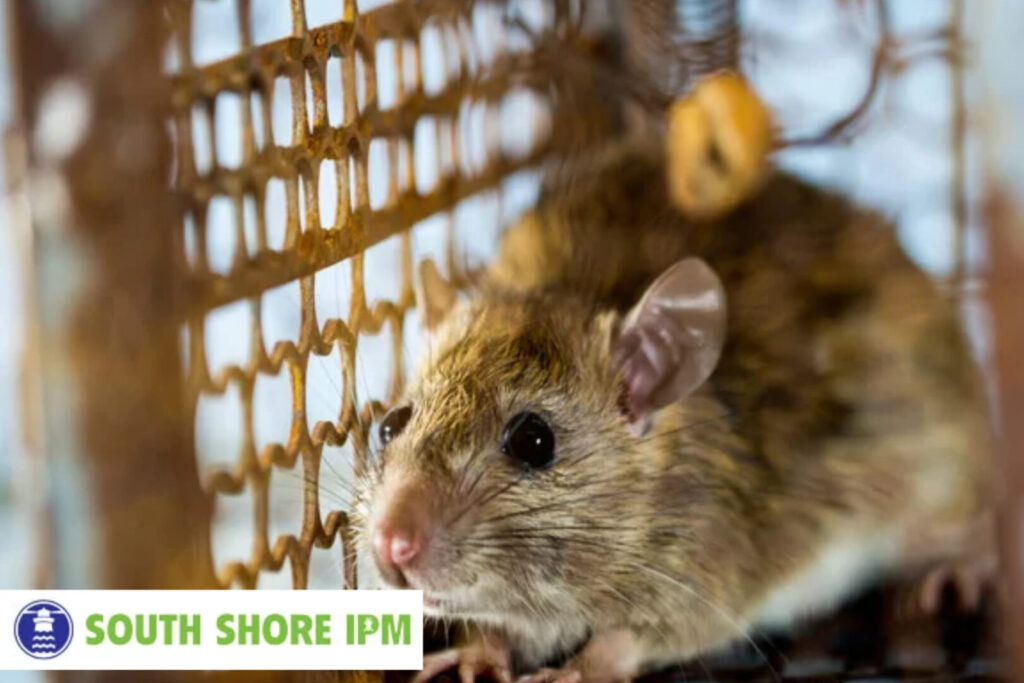
A mouse’s diet is omnivorous, meaning they eat both plant and animal matter. Mice are highly adaptable and will consume almost anything available to them, including grains, fruits, vegetables, meat scraps, and even non-food items when food is scarce. Their flexible eating habits allow them to thrive in a variety of environments, from rural fields to urban homes. Understanding what mice eat is essential for controlling infestations and preventing future ones. If you’re facing a rodent problem, a professional exterminator Braintree can help address the issue by targeting the root causes of the infestation.
5 Key Elements of a Mouse’s Diet
Here are the main food sources for mice:
- Grains and Seeds
- Mice are particularly attracted to grains and seeds, which are high in energy. In agricultural settings, they feed on corn, wheat, oats, and sunflower seeds. In homes with bird feeders or pantry items, they can easily find these foods.
- Fruits and Vegetables
- Mice love the sweetness and moisture of fruits and vegetables. Apples, bananas, carrots, and leafy greens are common targets. The high water content in fruits makes them a valuable food source for mice, especially during drier months.
- Protein from Insects and Meat Scraps
- Although they primarily eat plant-based foods, mice will also consume proteins like insects and meat scraps. They may feed on leftover pet food, eggs, or even meat scraps left in garbage bins.
- Non-Food Items
- Mice are opportunistic feeders and may eat non-food items such as soap, glue, and paper when food is scarce. These materials provide little nutritional value but highlight the lengths mice will go to survive.
- Sugary Foods
- Mice are attracted to sugary foods, making chocolate and sweets an ideal bait for traps. The high-calorie content of sugar makes these treats particularly appealing.
5 Steps to Prevent Mice from Feeding in Your Home
By understanding what mice eat, you can better prevent them from entering your home and damaging your property. Effective mouse control starts with eliminating food sources that attract these persistent pests. Here’s how to keep mice away:
- Seal Entry Points
- Check for cracks around windows, doors, and foundations. Use caulk or weather stripping to seal any small openings where mice can enter.
- Store Food Properly
- Store food in airtight containers to eliminate easy access for mice. This includes pet food, cereal, grains, and fruits.
- Maintain Cleanliness
- Regularly clean your home, paying special attention to crumbs, spills, and food residue. Ensure that food scraps are disposed of properly and trash bins are sealed tightly.
- Trim Landscaping
- Mice often enter homes from overgrown yards. Keep grass trimmed and remove excess mulch and leaves near the foundation of your house.
- Use Safe Rodent Bait
- If you’re dealing with mice, use high-calorie baits like peanut butter, chocolate, or seeds in traps to lure them in effectively.
The Role of Diet in Pest Control
Understanding what mice eat is crucial for designing an effective Braintree pest control strategy. At South Shore IPM, we emphasize the importance of removing food sources as part of an integrated pest management (IPM) strategy. By sealing food containers, cleaning up crumbs, and removing easy food sources like pet food, you can make your home less attractive to mice.
Why Choose Professional Pest Control Services?
While you can take steps to reduce food availability, a professional pest control Braintree expert can assess your home’s situation, identify the type of rodent, and implement an effective solution. Professionals use targeted treatments and preventive measures that ensure long-term protection from mice.
Real Story from a Local Client:
“We had a mouse problem in our kitchen and couldn’t figure out how they were getting in. South Shore IPM came out, identified food sources they were feeding on, and sealed the entry points. Now, we’re mice-free!” — John, Braintree
Conclusion
Mice are omnivores that can eat a wide variety of foods, including grains, fruits, vegetables, protein, and even non-food items when necessary. Understanding what mice eat can help you better prevent infestations and manage rodent control. By eliminating food sources, sealing entry points, and using targeted traps, you can significantly reduce the likelihood of a mouse problem. If you’re dealing with a rodent issue in your home or business, South Shore IPM offers professional pest control in Braintree to help you keep your space safe and mouse-free.
Need Help with Mice in Your Braintree Home or Business?
Contact us today for expert rodent control. Our team is ready to help you keep your home safe and pest-free with tailored solutions.

People Also Ask
- What do mice eat in Braintree homes?
Mice in Braintree typically eat grains, fruits, vegetables, pet food, and scraps from garbage. They are attracted to both natural and human food sources. - Are mice omnivores?
Yes, mice are omnivores and will eat both plant and animal-based foods depending on what’s available in their environment. - What do mice eat in the wild?
In the wild, mice eat seeds, fruits, insects, and small invertebrates. These foods provide the necessary nutrition for survival. - How do I keep mice from entering my home?
Seal all cracks and gaps, store food in airtight containers, and maintain a clean environment to prevent mice from entering your home.