
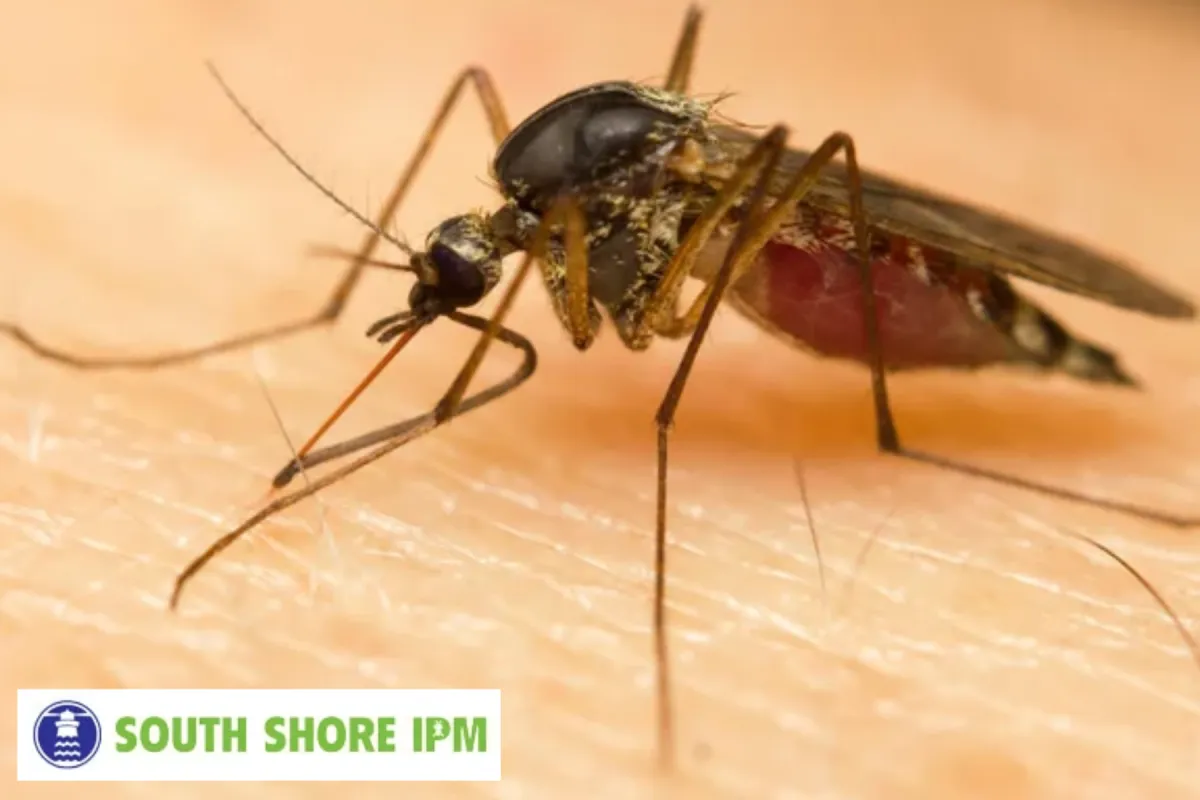
Why High Humidity and Rainfall Trigger a “Synchronized Hatch” of Mosquitoes
A synchronized hatch occurs because heavy rainfall floods dry soil and submerges dormant mosquito eggs, providing the mandatory aquatic environment they need to wake up. At the same time, high humidity prevents these eggs and newly emerged adults from drying out while signaling that outdoor conditions are perfect for survival. Because these environmental factors activate millions of resting eggs all at once, an entire generation can emerge simultaneously just days after a major storm.
The Environmental Triggers: Rain vs. Humidity
To understand why a sudden explosion of pests happens so quickly, we have to look at the unique biological roles that water and moisture play. Rainfall and humidity act as a dual-trigger system. One unlocks the egg, while the other ensures the adult survives.
| Factor | Primary Biological Role | Impact on the Hatch |
| Heavy Rainfall | Provides the physical aquatic medium; submerges dormant eggs and lowers water oxygen levels. | Acts as the immediate catalyst for the physical emergence of larvae. |
| High Humidity | Prevents the desiccation (drying out) of both eggs and newly hatched adults; extends adult lifespan. | Acts as the environmental facilitator ensuring high survival rates pre- and post-hatch. |
When managing seasonal pests, we treat these two elements as a ticking clock. Heavy rain is the alarm that wakes the pests, and high humidity is the baseline that keeps them active, biting, and flying around your backyard. This combined effect makes professional mosquito control critical before the weather turns.
Anatomy of a Synchronized Hatch: Step-by-Step
The phenomenon of a mass hatch relies on a precise sequence of biological and environmental events. It is a sudden biological event that catches many property owners off guard. During a recent structural audit for a home in Pembroke, our team mapped out exactly how this process unfolds in local yards.
- The Dormant Phase (Diapause): Female floodwater mosquitoes lay their eggs individually on damp soil, leaf mulch, or the edges of containers, just above the current water line. As the water recedes during dry spells, these eggs dry out completely. However, they do not die; they remain viable and waiting for months or even years.
- The Rainfall Trigger: A heavy summer rain event rapidly floods the area. Low-lying areas, clogged gutters, birdbaths, and puddles submerge these hidden, dormant eggs under standing water.
- The Oxygen Drop: As microorganisms in the newly formed stagnant water multiply rapidly, they consume dissolved oxygen. This sudden drop in oxygen acts as a precise chemical signal telling the mosquito embryo that it is fully submerged and surrounded by organic food.
- The Synchronized Burst: Within minutes to a few hours of submergence, thousands of larvae rupture their shells simultaneously. Because they all started at the exact same moment, they grow at the exact same speed, leading to a massive wave of adult pests hitting your yard all at once.
Debunking the Myth: Do Mosquitoes Multiply Out of Thin Air?
The Misconception: “Rain creates mosquitoes instantly out of nowhere, and dry weather kills the entire population off.”
It is easy to see why people believe this myth. You can walk through a dry backyard on a Monday, experience a heavy rainstorm on Tuesday, and find yourself swarmed by pests by Saturday. This leads to the common frustration that pests simply materialize out of thin air when it gets wet.
In reality, the adult mosquitoes you see immediately after a storm were already waiting on your property in the form of resilient, drought-resistant eggs. Dry weather does not destroy the population; it merely pauses it. Eggs are evolutionary marvels capable of surviving extreme dehydration. When a homeowner searches for a reliable exterminator in Pembroke, MA, during a dry spell, they are often surprised to learn that the real threat is already silently in their soil, waiting patiently for the moment the environment shifts in its favor.
Applying Our Proprietary Methods to Solve This
At South Shore IPM, chasing adult mosquitoes with heavy chemical sprays after a synchronized hatch is a losing battle. By the time you notice them, the damage is done, and they are already laying the next generation of eggs. That is why we use a smarter, more sustainable philosophy built around prevention and a continuous shield.
The In2Care System: Turning Mosquitoes Against Themselves
Instead of flooding your living spaces with harsh chemicals, we use advanced methods such as the In2Care system. This setup leverages the pest’s natural breeding behavior.
The system uses a specially designed bucket that attracts egg-laying female mosquitoes. When she enters, she comes into contact with a green, larvicidal powder. When she flies away to lay eggs in other hidden water sources around your property, she carries that powder with her, effectively neutralizing larvae in places that traditional sprays could never reach.
Our Continuous Shield of Exterior Treatments
To stop a synchronized hatch from ruining your summer, our team focuses heavily on ongoing exterior treatments. We establish a protective barrier around your property’s perimeter. By focusing our efforts on the outside bushes, tall grasses, and low-lying areas where pests rest, we create a defensive perimeter.
This localized approach allows us to deliver highly effective Pembroke pest control while minimizing chemical use in your living spaces, ensuring a safe environment for your family, pets, and local pollinators.
Key Terms & Biological Specifications
- Diapause: A period of suspended development or dormancy in insects, used here by eggs to survive dry periods.
- Desiccation: The state of extreme dryness; mosquito eggs are uniquely adapted to resist this, while adults are highly vulnerable to it.
- Instar: The developmental stage of arthropods (like mosquito larvae) between molts. A synchronized hatch starts the first instar simultaneously.
- Aedes vexans: The archetype “floodwater mosquito” species, notorious for massive, synchronized hatches after heavy summer rains.
People Also Ask (FAQ)
How long after a heavy rain do mosquitoes hatch?
Their eggs can hatch within 20 minutes to a few hours after being submerged in water following a heavy rain event. Under warm summer temperatures, these larvae can mature into biting adults in as little as 5 to 7 days.
Why do mosquitoes bite more when it is humid?
High humidity keeps them from drying out, which is their greatest weakness. When the air is humid, they can fly farther, hunt longer, and actively seek blood meals throughout the day without risking dehydration.
Can mosquito eggs hatch in moving water?
No. Their eggs require stagnant, still water to hatch and survive. Moving water disrupts the larvae’s ability to hang from the surface to breathe through their respiratory tubes, causing them to drown.
What is the best way to stop a mass hatch in my yard?
The best way is to break the cycle before the rain hits. Draining standing water from birdbaths, toys, and gutters eliminates potential hatching sites, while professional exterior barrier treatments prevent adult populations from taking over.
Take Control with South Shore IPM
Dealing with a sudden explosion of pests after a rainy week can feel overwhelming, but you do not have to fight the swarm alone. At South Shore IPM, we believe that you deserve to feel confident and at ease in your own backyard. As a trusted, eco-conscious partner, our goal is to give you total peace of mind by using smart, green methods that protect both your family and the planet.
If you are tired of recurring pest issues every time the weather gets humid, let our experienced team step in. We can customize a plan specifically for your property using our trusted pest control in Pembroke, MA.
Take back your outdoor spaces before the next storm hits. Check out our specialized Mosquito Protection Plan to learn more about how we build a protective wall around your home. Contact us today to schedule a personalized consultation or request a free quote for your property. Be sure to ask about our comprehensive seasonal packages, including our Full Season Service, and take advantage of our dedicated discounts for military members, seniors, teachers, and first responders. Let’s work together to keep your summer safe, comfortable, and entirely pest-free.
