How Pest Control Services Can Help Protect Your Home and Health
Pest infestations can affect more than a home’s cleanliness. Depending on the type of pest, an infestation may contribute to food contamination, trigger allergic reactions, cause bites or stings, and damage parts of a property. Understanding these risks helps homeowners recognize potential problems and take appropriate steps to protect their living spaces.
Although basic cleaning and preventive measures can reduce pest activity, some infestations require a closer inspection and a targeted treatment plan. Knowing which pests pose specific risks, and how to address the conditions attracting them—can help prevent minor problems from becoming more difficult to manage.
How Can Pest Infestations Affect Your Health?
Different household pests create different health concerns. Some may contaminate food or surfaces, while others can contribute to allergic reactions or cause painful bites and stings. The level of risk depends on the pest, the extent of the infestation, and the conditions inside the property.
Food Contamination and Exposure to Germs
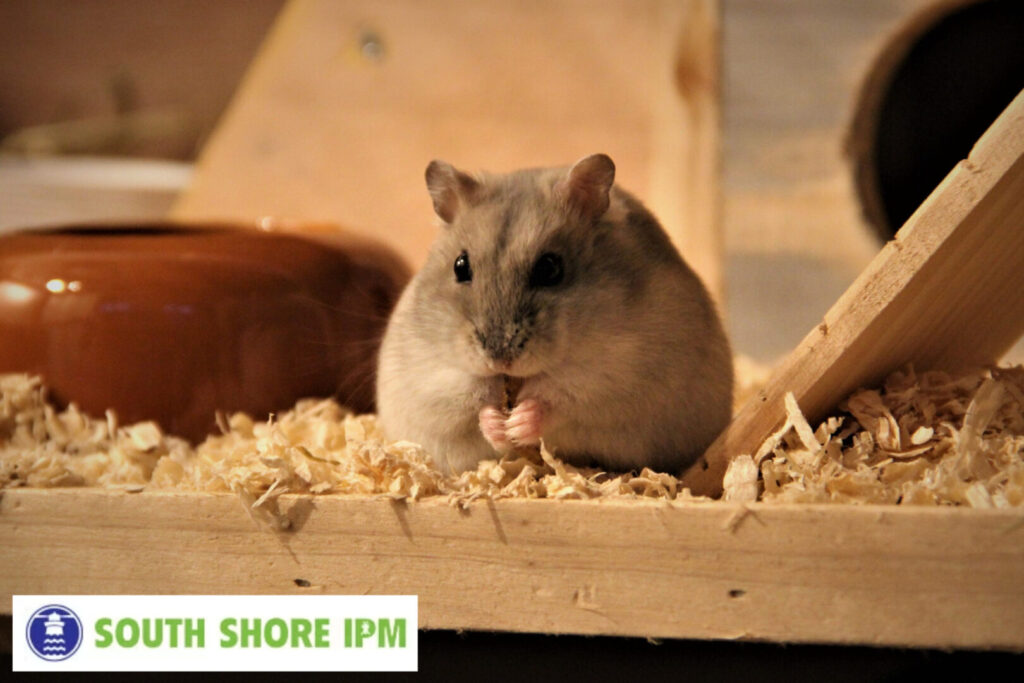
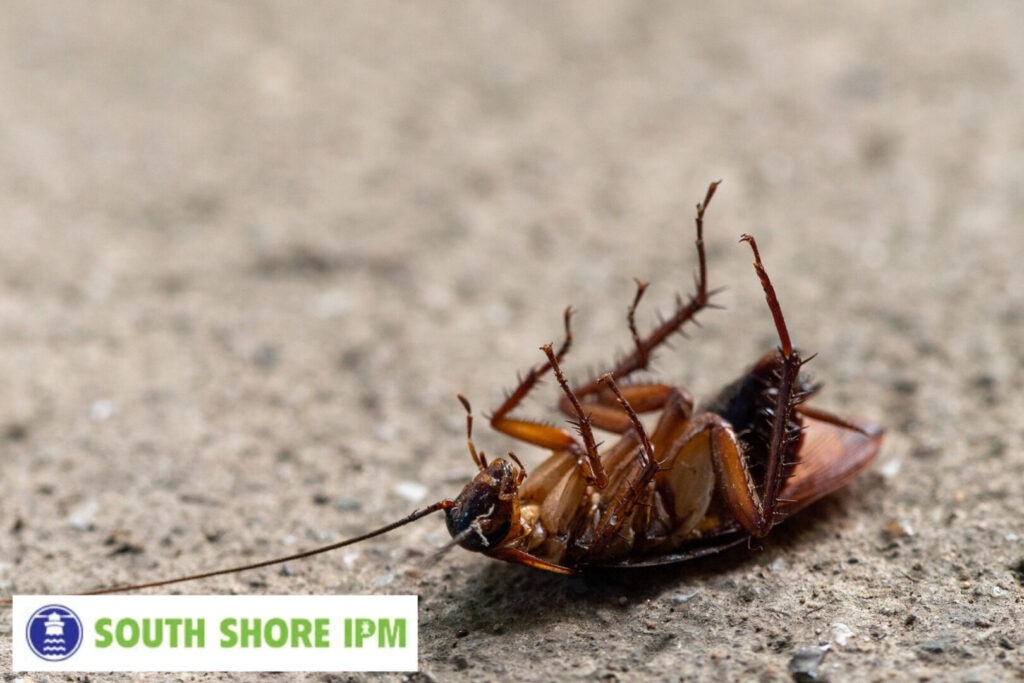
Rodents and cockroaches can contaminate food preparation areas, stored food, and other surfaces through their droppings, urine, and body contact. These pests may carry microorganisms that can contribute to illness when people come into contact with contaminated materials.
Rodents can also leave droppings and urine in cabinets, storage areas, and other hidden spaces. Cockroaches may travel through unsanitary areas before entering kitchens and pantries, increasing the possibility of contamination.
Homeowners should discard food that may have been exposed to pests, clean affected surfaces appropriately, and store food in tightly sealed containers.
Allergies and Respiratory Irritation
Certain pests can contribute to indoor allergens. Cockroach droppings, saliva, and shed body parts may trigger allergic reactions or worsen asthma symptoms in sensitive individuals.
Rodent urine, droppings, and other debris can also contribute to indoor air quality concerns, particularly when contaminated materials are disturbed during cleanup.
Regular cleaning, proper food storage, moisture control, and addressing pest activity can help reduce potential exposure. However, pest treatment alone does not automatically remove existing allergens or contaminated materials.
Bites, Stings, and Skin Irritation
Some pests affect people through direct contact. Bed bugs feed on human blood and can leave itchy bite marks, while mosquitoes may cause localized swelling and irritation. Wasps and bees can sting when they feel threatened, potentially causing severe allergic reactions in sensitive individuals.
Not every bite or skin reaction indicates a pest infestation. However, repeated bites, visible insects, or evidence of nesting activity may warrant further investigation.
Which Household Pests Can Damage Your Property?
Pests can also affect a home’s structure, insulation, wiring, and stored belongings. Some damage develops gradually and may remain unnoticed until homeowners discover visible signs or more serious problems.
Rodents Can Damage Wiring and Insulation
Mice and rats can chew through various materials, including cardboard, insulation, and electrical wiring. Their gnawing behavior helps them keep their continuously growing incisors worn down.
Damaged wiring may increase the risk of electrical problems, while disturbed insulation can affect the condition of attics and wall cavities. Rodents may also build nests in storage areas, crawl spaces, and other secluded parts of a property.
If you notice droppings, gnaw marks, nesting materials, or scratching sounds, an inspection can help determine whether rodents are active and where they may be entering.
Termites Can Weaken Wooden Structures
Termites feed on cellulose found in wood and other plant-based materials. When they establish colonies near or inside a property, they can gradually damage wooden components such as framing, flooring, and support structures.
Because termite activity often happens behind walls, beneath floors, or inside wood, the damage may not be immediately visible. Mud tubes, hollow-sounding wood, discarded wings, and damaged wooden materials can indicate possible termite activity.
Professional termite inspections can help identify affected areas and determine whether further evaluation or treatment is necessary.
Carpenter Ants Can Affect Wood
Unlike termites, carpenter ants do not eat wood for nutrition. They excavate galleries inside damp or decaying wood to create nesting spaces.
Over time, established colonies may expand their nesting areas and contribute to damage, particularly when moisture problems remain unresolved. Small piles of wood shavings, rustling sounds inside walls, and repeated ant activity near wooden structures may indicate a nest.
Addressing the underlying moisture issue can help make affected areas less attractive to carpenter ants.
What Are the Warning Signs of Pest-Related Damage?
Some infestations are easier to identify than others. Pests often remain hidden in wall voids, attics, crawl spaces, and other areas that homeowners rarely inspect.
Watch for these possible warning signs:
- Droppings or urine stains: Rodent and cockroach activity may leave waste in cabinets, corners, storage areas, and along walls.
- Gnaw marks: Chewed packaging, furniture, insulation, or wiring may indicate rodent activity.
- Damaged wood: Hollow-sounding wood, mud tubes, or discarded insect wings may suggest termite activity.
- Wood shavings: Small piles of frass or wood debris may indicate carpenter ants or other wood-damaging insects.
- Unusual odors: Persistent musty or unpleasant smells may indicate nesting activity, accumulated waste, or dead pests.
- Repeated pest sightings: Seeing pests regularly, especially during daylight hours, may indicate an established infestation.
A single sign does not always confirm an active infestation. A closer inspection can help identify the pest, determine the extent of the activity, and distinguish current problems from older damage.
How Can Professional Pest Control Help Reduce These Risks?
Professional pest management focuses on identifying the pest, understanding the conditions supporting its activity, and selecting appropriate control measures. Rather than relying only on visible pest sightings, technicians assess areas where pests may be nesting, feeding, or entering the property.
For homeowners looking for pest control in Braintree, a professional inspection can help determine which pest-related concerns need attention and what steps may help protect the property.
Identifying the Pest and Its Activity
Different pests require different management approaches. A technician may look for droppings, nesting materials, entry points, damaged wood, insect activity, and other evidence to determine what is happening.
Correct identification is important because similar warning signs can have different causes. For example, termite damage and carpenter ant activity may both affect wood, but the insects behave differently and require different management strategies.
Finding Entry Points and Contributing Conditions
Pests often enter properties through small gaps around doors, windows, foundations, utility lines, vents, and roof openings. Food sources, standing water, moisture problems, and clutter can also make certain areas more attractive.
An inspection helps identify these conditions so homeowners can address vulnerabilities instead of focusing only on the pests they can see.
Applying Appropriate Treatment and Prevention Measures
Treatment recommendations depend on the pest species, infestation level, location, and property conditions. Depending on the situation, management may involve targeted applications, monitoring, exclusion recommendations, sanitation improvements, or other appropriate measures.
An integrated pest management (IPM) approach considers multiple methods rather than depending on a single treatment. It emphasizes inspection, pest identification, prevention, monitoring, and appropriate control measures.
What Can Homeowners Do to Prevent Pest-Related Problems?
Professional pest management can address existing activity, but everyday maintenance also plays an important role in reducing conditions that attract pests.
Consider these practical preventive steps:
- Store food properly. Keep pantry items in sealed containers and clean crumbs or spills promptly.
- Manage household waste. Use covered trash bins and dispose of garbage regularly.
- Address moisture problems. Repair leaking pipes, improve drainage, and avoid leaving standing water around the property.
- Seal potential entry points. Close gaps around doors, windows, pipes, and other openings where pests may enter.
- Maintain outdoor areas. Keep vegetation trimmed away from the home and remove unnecessary debris near the foundation.
- Inspect storage spaces. Check basements, attics, garages, and crawl spaces for droppings, damaged materials, or nesting activity.
- Avoid disturbing suspected nests. Some pests may become defensive when their nesting areas are disturbed. Seek appropriate assistance when necessary.
These measures can make a property less attractive to common pests. However, they may not resolve an established infestation, especially when pests are nesting in concealed areas.
When Should You Contact a Pest Control Professional?
Not every pest sighting requires professional treatment. However, recurring activity, visible property damage, or signs of pests in areas that are difficult to access may indicate a more serious problem.
Consider arranging an inspection when:
- You repeatedly find droppings, gnaw marks, or nesting materials.
- You notice damaged wood or possible termite activity.
- Pests continue appearing despite basic prevention efforts.
- You suspect rodents are nesting inside walls, attics, or crawl spaces.
- You discover a wasp nest or another potentially hazardous pest nesting area.
- Pest activity is affecting food storage, living areas, or frequently used spaces.
Homeowners searching for an exterminator in Braintree should look for a provider that can identify the pest, explain the inspection findings, and recommend appropriate next steps. A qualified professional can also help determine whether the problem requires treatment, exclusion, monitoring, or a combination of methods.
For recurring pest activity, Braintree pest control services can help homeowners address the conditions contributing to infestations and develop a more practical prevention plan.
Frequently Asked Questions
1. Which Household Pests Can Affect Human Health?
Cockroaches and rodents can contaminate food and surfaces. Cockroach and rodent allergens may also affect people with allergies or asthma. Mosquitoes, bed bugs, and stinging insects can cause additional concerns through bites or stings.
2. Can Pest Infestations Trigger Allergies or Asthma?
Yes. Cockroach droppings, saliva, and shed body parts can contribute to indoor allergens. Rodent waste and other pest debris may also affect indoor air quality. People with existing respiratory sensitivities may be more affected.
3. Which Pests Can Cause Structural Damage to a Home?
Termites can damage wood and other cellulose-containing materials, while carpenter ants excavate nesting galleries in wood. Rodents may chew wiring, insulation, and other building materials.
4. Does Pest Control Remove Existing Allergens and Contaminants?
Not by itself. Pest management can help address the source of ongoing pest activity, but contaminated food, droppings, nesting materials, and other debris may require separate cleaning or removal using appropriate precautions.
5. How Can Homeowners Reduce Pest-Related Health Risks?
Store food securely, clean spills, manage household waste, address leaks, seal entry points, and arrange an inspection when pest activity continues. Avoid handling rodent waste or disturbing suspected nests without appropriate precautions.
Protect Your Home With Help From South Shore IPM
South Shore IPM can help homeowners address pest activity that threatens their household and property. Identifying the source early and addressing the conditions attracting pests can help prevent recurring problems.
We can help assess pest concerns and recommend appropriate next steps for your property. Call us today to discuss your concerns and request an inspection.
LEARN MORE HERE:
Why Our Pest Control Services Are the Right Choice for Your Home