Protecting Your Boston Business From Rodents: Strategies for Café Owners With Back-Storage and Dumpsters
As a café owner in downtown Boston, rodent control is crucial to maintaining a clean, welcoming environment for your customers and meeting health and safety standards. The proximity to the harbor, the city’s older infrastructure, and the presence of back-storage areas and dumpsters create ideal conditions for rodent infestations. If you’re searching for rodent control near me, understanding the risks and taking proactive measures can help prevent a minor issue from escalating into a major problem that impacts your café’s reputation and operations.
Understanding the Influence of Boston’s Harbor and Older Infrastructure on Rodent Risk
Proximity to the Harbor and Rodent Activity
Being near the Boston harbor significantly increases the risk of rodent problems, especially rats, which thrive in waterfront areas. The harbor provides an abundance of food sources, including discarded fish, trash, and organic materials, as well as access to water. Moreover, rats are skilled swimmers, making it easy for them to travel between different areas. The moist, humid conditions near the water are perfect for rodents to nest, so it’s no surprise that cafés near the harbor are at higher risk.
Impact of Older Sewer Connections
Boston’s older infrastructure, particularly in neighborhoods like Beacon Hill and the South End, often features outdated sewer connections that can serve as access points for rodents. Cracked pipes, old foundations, and poorly sealed openings in older buildings make it easier for rodents to enter and find refuge in areas such as attics and walls. Since many older homes and businesses have not been upgraded, sealing these gaps is crucial to preventing rodent access.
Commercial Rodent Control Strategies for Café Owners in Downtown Boston
Rodent Control in Boston Business Parks vs. Residential Homes
The approach to rodent control Boston in business environments, like downtown Boston, differs from residential settings due to the larger spaces and specific risks involved. Here’s how the strategies compare:
- Business Parks: In commercial spaces like business parks, rodent control requires more intensive measures, including professional pest control contracts, regular inspections, and strategically placed traps around dumpsters and back-storage areas. With higher foot traffic and more potential entry points, these businesses need constant monitoring to stay rodent-free.
- Residential Homes: Residential properties typically rely on smaller-scale measures, like sealing cracks and using basic traps. Homeowners may not have the same level of professional pest control or monitoring, but they can still take steps to limit rodent activity by ensuring food storage is secure and entry points are sealed.
Essential Rodent Control Tips for Your Café
If your café in downtown Boston has a back-storage area and dumpsters, here are some tips to help prevent rodent problems:
- Seal Entry Points: Conduct regular inspections of your café and storage areas to seal cracks and gaps around windows, doors, and walls. Rodents can fit through surprisingly small openings, so make sure to eliminate any potential entry points.
- Rodent-Proof Your Dumpsters: Place dumpsters away from your café building and use rodent-resistant bins with tightly sealed lids. Regularly clean the dumpster area to avoid attracting rodents with food waste.
- Regularly inspect and clean back-storage areas. Elevate stored goods off the floor and use airtight containers to store food and supplies. Avoid storing items in cardboard boxes, which are more attractive to rodents.
Sanitizing After Rodent Removal in Older Boston Buildings
Why Clean-Up is Crucial in Older Structures
Once rodents have been removed from your café, particularly from areas such as attics or wall cavities, it’s essential to thoroughly clean and sanitize these spaces. In older Boston buildings, materials like wood, plaster, and insulation may have absorbed rodent droppings, urine, and nests. If these areas aren’t sanitized properly, lingering contamination can pose health risks and invite future infestations.
Recommended Clean-Up Steps
Here are the steps to ensure your café remains rodent-free:
- Remove Contaminated Materials: If insulation or drywall has been heavily contaminated, it may need to be removed and replaced to prevent future issues.
- Sanitize Surfaces: Use eco-friendly disinfectants to clean all areas where rodents have been active. Be sure to target areas that are difficult to reach, such as behind walls and inside ducts.
- Address Odors: Use odor-neutralizing products to eliminate any lingering smells caused by rodents. This is especially important in enclosed spaces, such as attics or storage rooms.
- Decontaminate HVAC Systems: If your café has an HVAC system, ensure that the ducts are cleaned, as they can harbor rodent-related contaminants. This will help maintain clean air for both staff and customers.
Prevent Future Infestation
Continue to monitor areas where rodents have been active and take proactive steps to prevent re-entry. Install rodent-proof barriers around pipes, vents, and other potential entry points to prevent rodent infestations. Regular pest control treatments from South Shore IPM will help ensure your café stays protected in the long term.
Real Story: A Customer’s Experience With Rodent Control
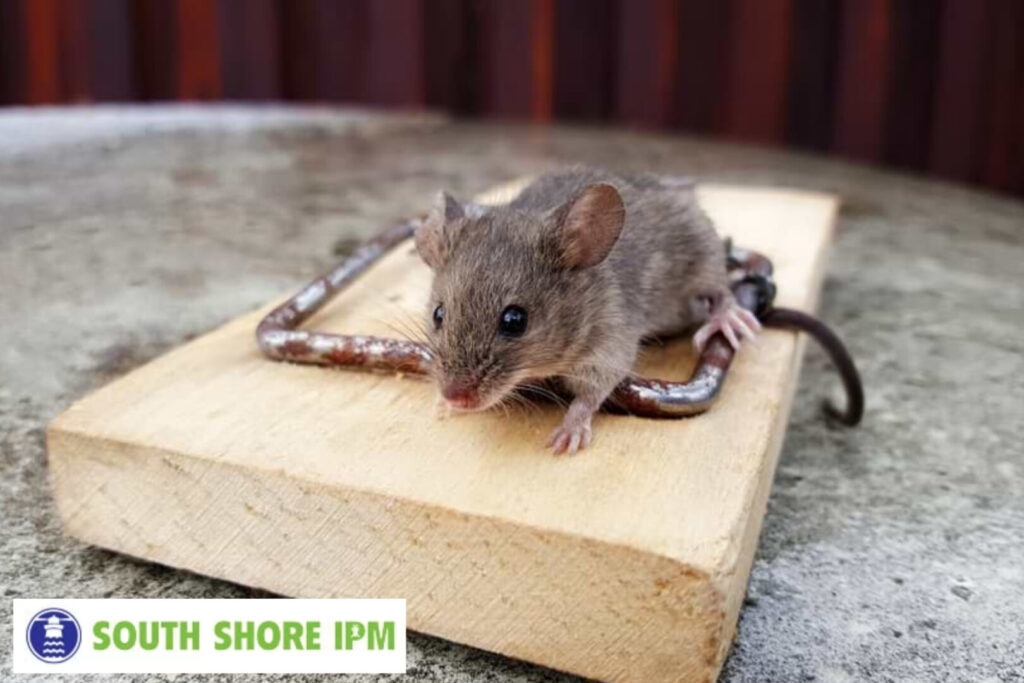
One of our satisfied clients, Anthony DeMarco, who owns a café in downtown Boston, had a rodent issue that threatened his business. The rodents were nesting in his back-storage area, close to his dumpsters. He contacted South Shore IPM, and our team responded promptly to address the issue before it escalated.
Anthony says, “Top guys in the business, we had a small rodent problem that they solved and stopped a potentially large issue from occurring! Highly recommend A+.” Thanks to our thorough rodent control services, Anthony’s café is now rodent-free, and his customers continue to enjoy a clean, safe environment. This story illustrates the importance of timely and professional Boston rodent control in protecting your business and reputation.
Conclusion
If you’re a café owner in Boston, particularly in neighborhoods near the harbor or with older infrastructure, rodent control is essential for maintaining a healthy and safe environment. By following the steps outlined above, sealing entry points, rodent-proofing dumpsters, and regularly sanitizing your café, you can prevent rodent infestations from becoming a costly problem. Don’t wait for the issue to get worse; protect your business today with expert rodent control Boston MA.
Ready to keep your place rodent-free? Contact us for a free quote and get the best rodent control in Boston!