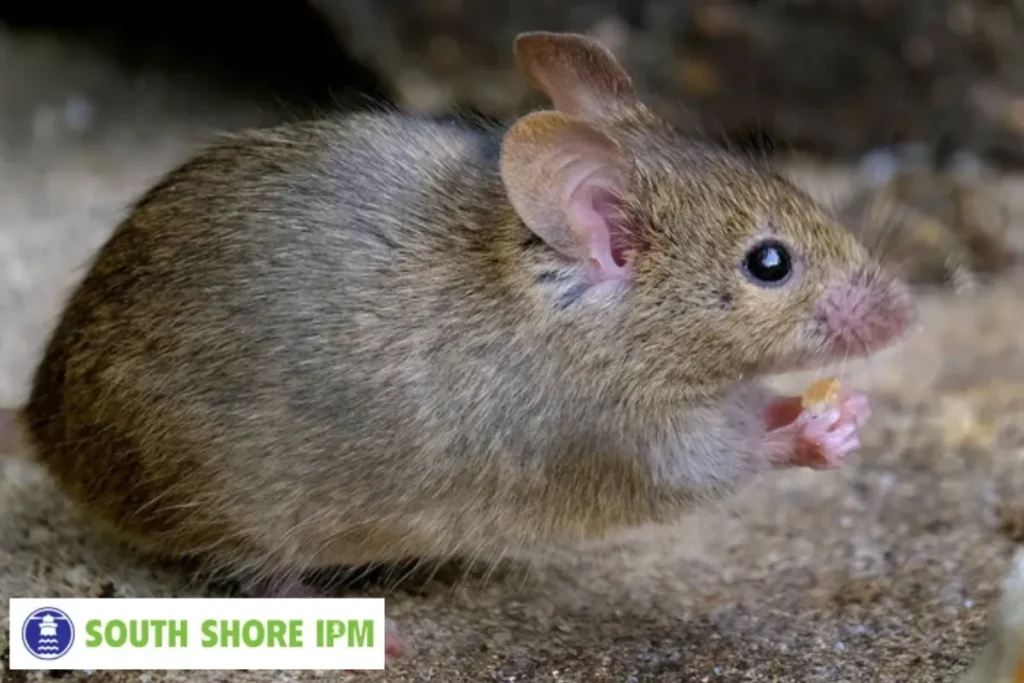
What Is The Best Rat Repellent: South Shore IPM Guide
Rats can be difficult to keep away because they seek out reliable sources of food, water, shelter, and safe nesting areas. Although some products and household remedies are marketed as rat repellents, their effectiveness can vary. The most practical approach combines prevention, sealing entry points, and appropriate control methods rather than relying on a scent or electronic device alone.
What Is the Most Effective Way to Keep Rats Away?
The best way to discourage rats is to make your property less attractive and prevent them from entering. Repellents may have a limited role in certain situations, but removing the conditions that support rodent activity is a more dependable starting point.
Consider these measures first:
- Remove accessible food: Store pantry items and pet food in sturdy, sealed containers. Clean crumbs and food spills promptly.
- Secure garbage: Use durable trash containers with tight-fitting lids and keep the surrounding area clean.
- Eliminate standing water: Repair leaks and address other accessible water sources where practical.
- Seal entry points: Inspect gaps around pipes, doors, vents, foundations, and utility lines. Use suitable rodent-resistant materials to close openings.
- Reduce outdoor shelter: Keep vegetation maintained, remove unnecessary clutter, and store firewood away from exterior walls.
- Monitor for activity: Watch for droppings, gnaw marks, nesting material, and repeated sightings to determine whether rats are still present.
These steps address the conditions that attract rats and the routes they use to access buildings. If rats are already nesting indoors, prevention alone may not resolve the existing problem.
Do Natural Rat Repellents Actually Work?
Natural rat repellents are popular because they are easy to find and may seem like a convenient alternative to traps or other control methods. However, strong odors do not automatically make a substance an effective long-term deterrent.
Some scents may temporarily discourage rodents from investigating a particular area, but results can vary depending on the rat’s behavior, available food, shelter, and access to other routes. Natural remedies should not replace exclusion and appropriate control when there is an established infestation.
Does Peppermint Oil Repel Rats?
Peppermint oil is frequently recommended as a natural rat repellent because of its strong scent. Some homeowners place a few drops on cotton balls near suspected entry points or areas where rodents have been seen.
However, there is limited evidence that peppermint oil reliably prevents rats from entering a home or eliminates an established infestation. Its scent also fades over time, meaning any potential deterrent effect may not last.
If you choose to use peppermint oil, follow the product instructions and keep it away from children and pets as directed. Essential oils can cause irritation or other adverse effects if used improperly, so avoid applying them to food surfaces or areas where animals may lick or ingest them.
Most importantly, do not rely on peppermint oil to seal entry points or address nesting activity.
Can Garlic or Other Strong-Smelling Substances Deter Rats?
Garlic, vinegar, and other strong-smelling household substances are sometimes promoted as rat deterrents. However, their odors should not be confused with proven, dependable rodent control.
There is no good reason to assume that placing garlic around a property or spraying a homemade mixture will keep rats away consistently. Rats may continue visiting an area if food, water, and shelter remain accessible.
Avoid using ammonia or mixing household cleaning products to create homemade repellents. Some combinations can release dangerous fumes, while improper use can expose people and pets to harmful substances.
Instead of relying on odor-based remedies, concentrate on removing attractants and closing the openings rats use to enter.
Do Predator Scents or Owl Decoys Keep Rats Away?
Predator scents and owl decoys are sometimes used to discourage rodents outdoors. However, these methods should not be treated as reliable solutions for an active rat problem.
Rats may continue to forage where food and shelter are readily available. Stationary decoys also do not physically prevent rodents from entering a building.
If you use an outdoor decoy, consider it a supplementary measure rather than your primary control strategy. Inspect the property for burrows, accessible garbage, overgrown vegetation, and openings that provide rats with access to sheltered areas.
Do Ultrasonic Rat Repellents Work?
Ultrasonic rat repellents use electronic devices to emit high-frequency sounds intended to discourage rodents from occupying an area. They are often marketed as convenient alternatives to traps or rodenticides.
However, their effectiveness against real-world rat infestations is uncertain. Results can vary, and these devices should not be considered a dependable standalone method for keeping rats out of a home.
Before purchasing an ultrasonic device, consider its limitations:
- Coverage may be limited: Walls, furniture, stored items, and the layout of a building can affect how sound travels through a space.
- Rats may remain nearby: A device does not remove food sources, close entry points, or eliminate an existing nest.
- Results are not guaranteed: A reduction in visible activity does not necessarily mean rats have left the property.
- Other measures are still necessary: Sanitation, exclusion, monitoring, and appropriate control methods remain important.
If you decide to try an ultrasonic device, use it only as a supplementary measure. Continue checking for signs of rodent activity and address any conditions that allow rats to enter or remain on the property.
What Prevents Rats From Entering Your Home?
Preventing access is generally more reliable than trying to repel rats after they have entered. A practical prevention plan focuses on food storage, sanitation, structural gaps, and outdoor conditions that may support rodent activity.
Remove Food and Water Sources
Rats are opportunistic feeders. Even small amounts of accessible food can encourage them to return to a property.
To reduce these attractions:
- Store dry food in sturdy containers with secure lids.
- Avoid leaving pet food outdoors overnight.
- Clean food preparation areas and dining spaces regularly.
- Use garbage containers with tight-fitting lids.
- Clean up fallen fruit, spilled birdseed, and other accessible food outdoors.
- Repair leaking pipes and address persistent moisture where possible.
Cleanliness alone will not guarantee that rats stay away, especially if entry points and nesting sites remain available. However, reducing access to food and water makes the property less attractive.
Seal Entry Points and Structural Gaps
Rats can enter through openings that may seem too small to be a concern. Inspect the exterior of your home for gaps around utility lines, damaged vents, door sweeps, foundation openings, and spaces around pipes.
Use durable, rodent-resistant materials appropriate for the opening. Depending on the location, repairs may require metal mesh, hardware cloth, fitted door sweeps, or other suitable construction materials. Foam or caulk alone may not withstand rodent gnawing in vulnerable areas.
Before sealing an opening, determine whether rodents may already be inside. Blocking an active entry route without assessing the situation can leave animals trapped in wall cavities or other inaccessible spaces.
If you are unsure where rats are entering, a thorough inspection can help identify potential access points and determine the appropriate repair approach.
Reduce Outdoor Shelter and Nesting Opportunities
Rats may use vegetation, stored materials, debris, and sheltered spaces around a building as cover. Reducing these areas can make it harder for rodents to remain undetected near your home.
Consider these maintenance steps:
- Trim overgrown vegetation near the building.
- Remove unnecessary piles of cardboard, lumber, and debris.
- Store firewood on a raised rack away from exterior walls.
- Keep storage areas organized so signs of rodent activity are easier to spot.
- Maintain exterior structures and address damaged sections that provide sheltered access.
These measures are most useful when combined with food control and exclusion. They may reduce attractive hiding places, but they will not automatically eliminate rats already nesting inside a building.
Are Rat Repellents Enough to Solve an Infestation?
Repellents may seem appealing when you first notice rat activity, but they often fail to address the underlying problem. If rats have access to food, established nesting areas, or multiple routes into a building, a scent-based product or electronic device may do little to resolve the situation.
A more comprehensive response may be needed when you notice:
- Repeated sightings: Rats continue appearing in the same rooms, storage areas, or outdoor locations.
- Droppings in multiple places: Fresh droppings appear despite cleaning and preventive measures.
- Gnaw marks: Packaging, wood, plastic, wiring, or other materials show signs of chewing.
- Scratching or movement in walls: Sounds suggest that rodents may be using wall cavities, ceilings, or other concealed spaces.
- Burrows near the building: Holes or disturbed soil may indicate outdoor rodent activity.
- Continued activity after repairs: Rats remain present even after food sources and obvious openings have been addressed.
These signs do not all confirm the presence of rats on their own. Other animals can produce similar evidence, so accurate identification is important.
Avoid handling droppings or nesting material with bare hands. Rodent waste can expose people to pathogens, and dry sweeping or vacuuming contaminated material can stir particles into the air. Follow appropriate public-health cleanup guidance, and seek professional assistance if contamination is extensive or the affected area is difficult to access.
When Should You Contact a Pest Control Professional?
Consider professional help when rat sightings continue, entry points are difficult to locate, or there are signs of nesting inside walls, ceilings, or other concealed areas. A professional assessment can help distinguish an active infestation from occasional outdoor activity and identify the control measures most appropriate for the property.
Homeowners researching pest control in Weymouth, MA should look for services that address more than the rats they can see. Effective rodent management may involve identifying activity, locating access points, recommending exclusion repairs, and determining whether trapping or other targeted methods are needed.
When comparing options for pest control in Weymouth, ask how the provider evaluates entry routes, checks for ongoing activity, and helps reduce the conditions that attract rodents. The specific approach should depend on the location, severity, and nature of the problem.
If rats continue returning despite preventive efforts, an exterminator in Weymouth may be able to assess the property and recommend a more comprehensive response. South Shore IPM provides rodent-control services that emphasize inspection, exclusion, trapping, and prevention based on the property’s needs.
For details about available services, review the company’s rodent control solutions.

Frequently Asked Questions
What is the best rat repellent for a home?
There is no single repellent that reliably solves every rat problem. Scent-based products and ultrasonic devices may have limitations, while removing food sources, sealing entry points, and reducing shelter address the conditions that allow rats to thrive. If rodents are already nesting indoors, additional control measures may be necessary.
Does peppermint oil really repel rats?
Peppermint oil is commonly promoted as a natural deterrent, but evidence that it reliably prevents rats from entering buildings or eliminates infestations is limited. Its scent also fades over time. It should not replace sealing entry points, removing attractants, or addressing established rodent activity.
Do ultrasonic rat repellents work?
Ultrasonic devices are designed to discourage rodents through high-frequency sound, but their effectiveness can vary. They do not remove nesting sites, eliminate food sources, or physically block entry points. If used, they should supplement rather than replace practical prevention and appropriate control methods.
What smells do rats dislike?
Rats may react to strong odors, but a reaction to a scent does not mean the substance will keep them away consistently. Peppermint oil, garlic, and predator scents are popular suggestions, yet they should not be relied on as proven long-term solutions. Focus on removing attractants and preventing access.
How can I keep rats out without using rodenticide?
Start by sealing suitable entry points, securing food and garbage, reducing clutter, and removing accessible water sources. Traps may also be appropriate when selected and positioned carefully. Keep traps away from children and pets, follow the manufacturer’s instructions, and check them regularly. Persistent activity may require professional assessment.
When should I stop relying on repellents and seek help?
Consider a more comprehensive approach if you repeatedly see rats, find fresh droppings, notice gnaw marks, hear movement in concealed spaces, or continue seeing activity after preventive repairs. These signs may indicate that rats have established access or nesting areas that repellents alone cannot address.
Protect Your Home From Recurring Rat Activity
Keeping rats away requires more than masking odors or relying on a single device. Consistent sanitation, effective exclusion, and appropriate monitoring provide a more practical foundation for preventing rodent problems.
If you suspect an active infestation or need help identifying possible entry points, South Shore IPM can help you explore suitable rodent-control options for your property.
Contact us today to learn more about available pest management services and next steps.
LEARN MORE HERE:
What To Do If You Find Rat Poop: South Shore IPM Tips