Do Mothballs Keep Mice Away? Understanding South Shore IPM’s Approach To Pest Control
When it comes to managing pest problems, homeowners are often quick to reach for quick fixes, especially those that promise effectiveness with minimal effort. One such solution that has gained popularity is using mothballs to deter mice. But do mothballs actually work? While they are often cited as a remedy for rodent control, their true effectiveness and safety are widely debated. For reliable, professional solutions, consult pest control experts who can provide safe, effective treatments tailored to your specific pest issues.
In this blog post, we’ll answer the question, “Do mothballs keep mice away?” and explain why South Shore Integrated Pest Management (IPM) recommends safer, more effective solutions for rodent control.
What Are Mothballs?
Mothballs are small, ball-shaped pesticides traditionally made from either naphthalene or paradichlorobenzene. Their primary purpose is to protect fabrics and clothing from moth damage during storage. These chemicals release a strong, pungent odor that repels or kills fabric-eating insects.
Some homeowners assume that this strong smell will also deter rodents, such as mice. However, the reality is more complicated.
Do Mice Hate or Dislike Mothballs?
Mice have a strong aversion to the smell of mothballs and do mice hate moth balls due to their pungent chemical odor. While do mice dislike mothballs, the effectiveness of this method is temporary. The strong scent can initially repel mice, but over time, they may become desensitized, making mothballs ineffective for long-term rodent control. It’s important to address the root causes of infestations, such as food sources and entry points, for a more lasting solution.
Do Mice Hate the Smell of Mothballs?
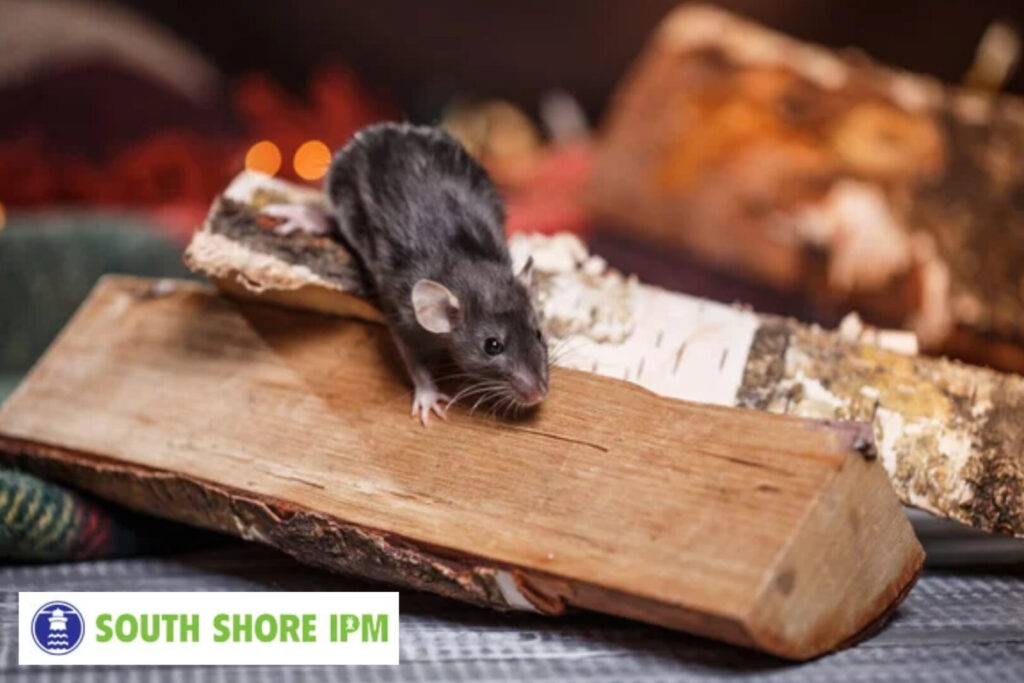
Mice do not like or hate the smell of mothballs; in fact, the strong chemical odor is overwhelming for them. Mothballs, typically made from naphthalene or paradichlorobenzene, may initially repel mice due to their pungent scent. However, while they may temporarily drive mice away, this solution is short-lived. Over time, mice can become desensitized to the smell, making mothballs ineffective for long-term rodent control. While mothballs may make a space briefly unappealing, they do not provide a reliable or lasting solution, and they won’t prevent mice from finding shelter or food elsewhere in your home.
Do Mothballs Deter Mice?
While some homeowners believe mothballs deter mice, the truth is that they do not effectively deter them in the long run. Mice may initially avoid areas with mothballs because of the scent, but the chemical concentration in mothballs is too weak to act as a permanent deterrent. Over time, mice can become desensitized to the odor, and the mothballs no longer provide any significant barrier against infestation.
The primary issue with mothballs is their temporary nature and their failure to address the root causes of a problem, such as food sources or entry points into your home. Without addressing these underlying factors, mothballs will not solve an infestation.
The Risks of Using Mothballs for Mouse Control
In addition to being ineffective, mothballs can be harmful when used improperly:
- Toxicity to Humans and Pets: Mothballs release toxic fumes that can cause serious health issues for humans and pets. Prolonged exposure can lead to respiratory issues, headaches, dizziness, and even more severe health problems.
- Environmental Hazards: Improper disposal of mothballs can contaminate the environment. Their chemicals can seep into soil and water, posing a risk to local wildlife and ecosystems.
- Legal Concerns: The Environmental Protection Agency (EPA) does not approve the use of mothballs to repel pests other than moths. Misuse can result in fines and other legal consequences.
Why Choose South Shore IPM for Rodent Control?
South Shore IPM specializes in safe, effective, and environmentally friendly pest management solutions. We don’t rely on quick fixes like mothballs. Instead, we address the root cause of the problem, providing long-term, effective, and sustainable solutions. Here’s how we approach rodent control with our expert pest control in Braintree, MA:
1. Integrated Pest Management (IPM)
Our IPM strategy combines prevention, monitoring, and targeted treatments to achieve sustainable results. We aim to minimize risks to humans, pets, and the environment while effectively eliminating pests.
2. Comprehensive Property Inspection
We start by conducting a thorough inspection of your property. This helps us identify entry points, nesting areas, and food sources. Understanding the root cause of the infestation allows us to tailor our approach.
3. Sealing Entry Points
Mice can squeeze through holes as small as a dime. We seal cracks, gaps, and other entry points to prevent mice from re-entering your home.
4. Safe and Effective Treatments
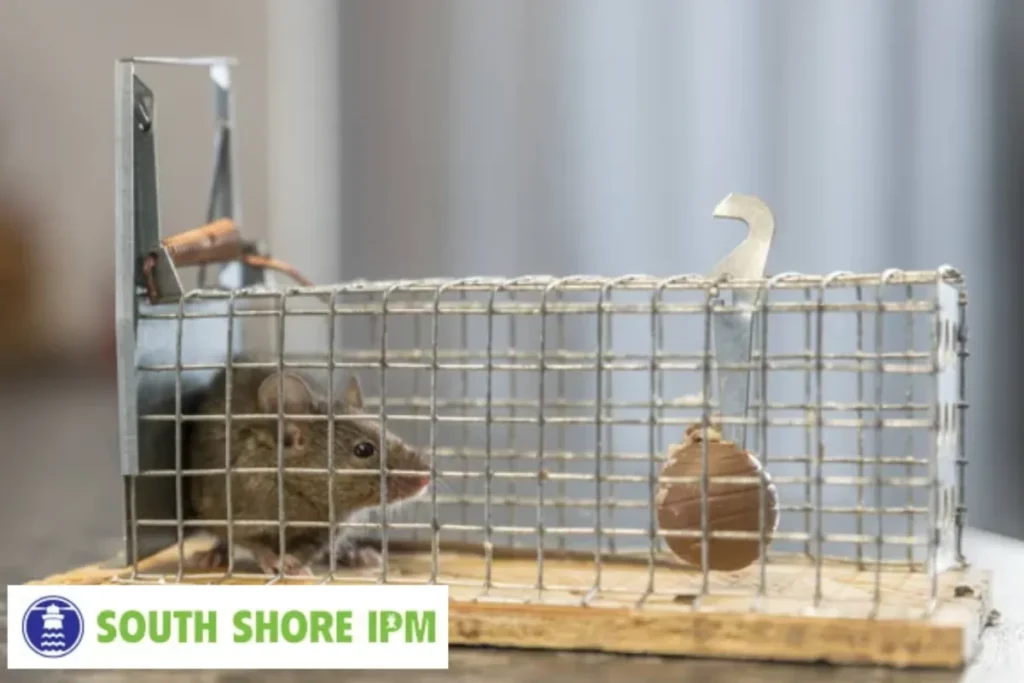
If necessary, we deploy bait stations, traps, and other targeted treatments to address the issue. These methods are chosen for their effectiveness and safety.
5. Ongoing Monitoring
We don’t stop after the first treatment. We offer ongoing monitoring to ensure the problem is fully resolved. We also provide homeowners with helpful tips to prevent future infestations.
Alternatives to Mothballs for Keeping Mice Away
Instead of using harmful and ineffective mothballs, consider these safer, more effective methods to deter mice:
1. Maintain Cleanliness
- Store food in airtight containers.
- Clean up crumbs, spills, and food debris regularly.
- Keep trash cans sealed tightly.
2. Eliminate Hiding Spots
- Declutter areas such as attics, basements, and garages.
- Store firewood and other materials away from your home’s foundation.
3. Natural Deterrents
Essential oils such as peppermint, eucalyptus, and clove are known to repel mice. Apply them to cotton balls or create a spray to treat problem areas.
4. Ultrasonic Repellents
These devices emit high-frequency sounds that irritate rodents but are inaudible to humans and pets.
5. Professional Pest Control
Enlisting the help of professionals ensures a comprehensive and lasting solution. South Shore IPM, your trusted exterminator in Braintree, provides tailored rodent control services that are both effective and safe.
Myths and Misconceptions About Rodent Control
The belief that mothballs deter mice is just one of many myths surrounding Braintree pest control. Here are a few others, along with the truths behind them:
Myth 1: Cats Are a Foolproof Solution to Mouse Problems
Reality: While cats may catch mice, they are not a comprehensive solution for infestations.
Myth 2: Mice Only Invade Dirty Homes
Reality: Mice are opportunistic and will infest any home that offers food, warmth, and shelter, regardless of cleanliness.
Myth 3: Cheese Is the Best Bait for Mouse Traps
Reality: Mice are more attracted to foods like peanut butter, seeds, or grains than to cheese.

Local Success Story
“Top guys in the business! We had a small rodent problem that they solved, preventing a potentially larger issue from occurring. Highly recommend A+!”
— Anthony DeMarco
Final Thoughts: A Safer, Smarter Approach to Rodent Control
The myth that mothballs can keep mice away is not only ineffective but potentially hazardous. By relying on professional pest control services, such as South Shore IPM, homeowners can adopt a safer, more sustainable approach to rodent control. Our pest control experts are dedicated to delivering effective, long-lasting solutions tailored to your specific needs.
For more information or to schedule a consultation, contact us today. Together, we’ll ensure your home stays pest-free and eliminate the risks and myths associated with DIY remedies.
FAQs: People Also Ask
- Do mothballs effectively keep mice away?
Mothballs may temporarily irritate mice with their strong odor, but they are not a reliable long-term solution. - Are mothballs harmful to pets and humans?
Yes, mothballs release toxic fumes that can cause health issues for both pets and humans. - How can I prevent mice from entering my home?
Seal cracks, maintain cleanliness, and eliminate food sources to deter mice from entering. - What are natural alternatives to mothballs for repelling mice?
Essential oils like peppermint, eucalyptus, and clove are natural deterrents for mice. - Is professional pest control better than using mothballs?
Yes, professional pest control offers effective, long-term solutions tailored to your home’s needs.
Other related blogs:
Rodent Glue Traps: Do They Work? South Shore IPM’s Approach
What To Do If You Find Rat Poop: South Shore IPM Tips
Are Mice Nocturnal? Understanding The Activity Patterns Of These Tiny Pests