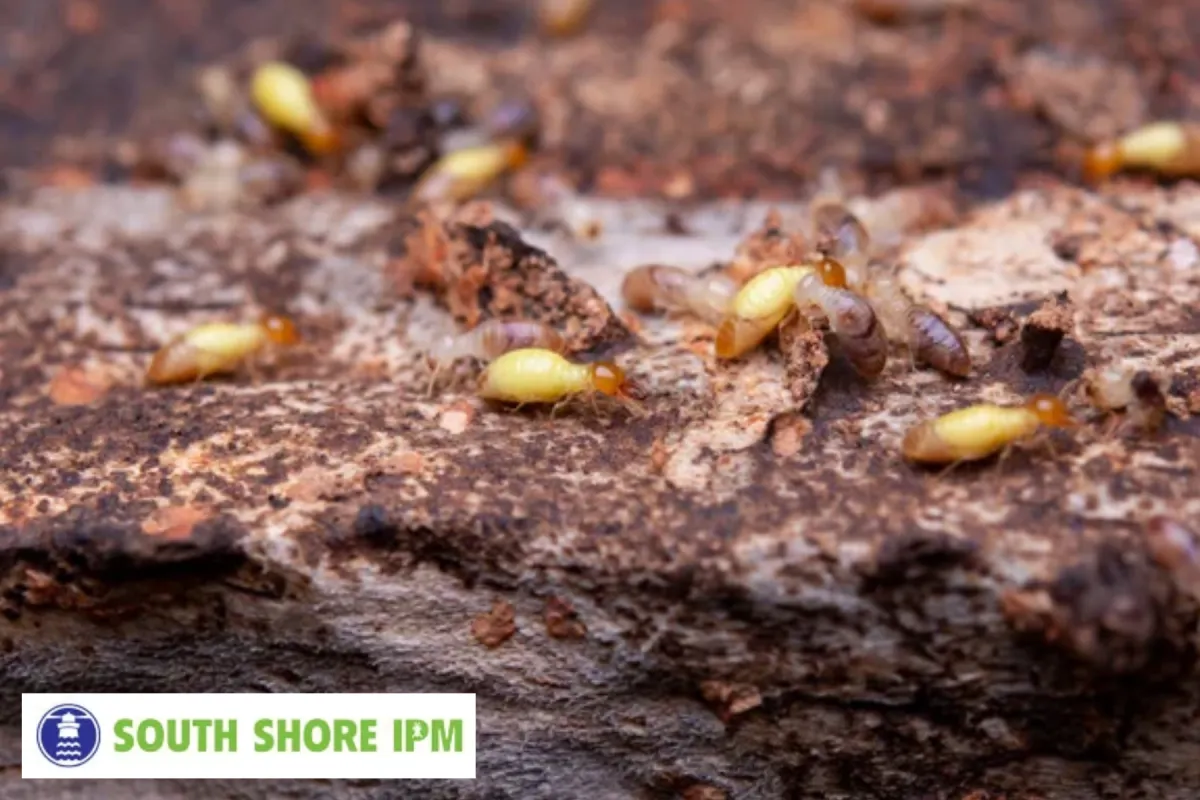
Termite Frass vs. Normal Sawdust: How to Identify the Difference
To identify the difference between termite frass and normal sawdust, examine the shape and consistency of the pellets. Frass consists of hard, microscopic, six-sided, seed-like pellets of uniform size and color. Normal sawdust looks like irregular wood shavings or splinters of varying sizes and feels soft or powdery.
Finding an unexplained pile of wood-like dust in your home can immediately trigger alarm bells. For property owners, the fear of structural damage is very real, and knowing exactly what you are looking at is the first vital step in protecting your investment. While sawdust might just mean a door is scraping against a frame, termite frass indicates a hidden, active colony feeding on your home’s framework. Early identification allows you to seek professional methods before minor damage escalates into a massive structural failure.
Visual and Textural Differences
Knowing exactly what you are looking at can save you thousands of dollars in structural damage and unnecessary stress. Use this comparison table to quickly determine if the pile you found is a sign of an active infestation or simply leftover debris from everyday wear and tear.
| Characteristic | Termite Frass (Drywood Termites) | Normal Sawdust (or Carpenter Ant Debris) |
| Shape | Uniform, oval-shaped capsules with exactly six concave sides. | Irregular, jagged shavings, chips, or splinters. |
| Size | Highly uniform; typically about 1 millimeter long. | Highly variable, ranging from fine dust to large wood chips. |
| Texture | Hard and gritty, it feels similar to coarse sand or coffee grounds. | Soft, pliable, fibrous, and feels like powdery wood. |
| Color | Uniform within a single pile, matching the color of the digested wood. | Mixed colors, often containing bits of dirt, dead insects, or insulation. |
Drywood termites excrete their digested wood in these perfectly formed, tiny pellets. Because they want to keep their internal nesting galleries clean, they push this frass out of tiny “kick-out” holes, creating distinct, cone-shaped piles directly below the exit point. In older, historic cities, where antique wood is prevalent, mistaking these piles for age-related dust is a common error.
4 Steps to Inspect a Suspect Pile
If you find a mysterious pile of wood debris on your floorboards or windowsills, follow these sequential steps to accurately identify its source before calling in the professionals for termite pest control in Boston, MA.
- Examine with a Magnifying Glass: Because termite frass is only about 1 millimeter long, you need magnification to see its defining feature: the six longitudinal grooves down the sides of each pellet. Normal sawdust will simply look like ragged splinters under a lens.
- Look for Kick-Out Holes: Look directly above the pile. Termites push their feces out of tiny, pin-sized “kick-out” holes in the wood. Sawdust from human activity, structural settling, or scraping doors won’t have a perfectly round exit hole above it. During a recent evaluation of a homeowner in the historic Beacon Hill neighborhood, simply looking up at the exposed ceiling joists revealed the exact kick-out holes that were producing the debris.
- Test the Consistency: Press a pinch of the pile between your thumb and forefinger. Termite frass is digested wood and will feel hard and granular, similar to sand. Normal sawdust will compress, flatten, or feel soft and powdery.
- Sweep and Wait: Sweep up the pile completely and wipe the area clean. Check back in 24 to 48 hours. If a new, identical pile has formed in the same spot, you likely have an active colony pushing out fresh frass. This is the definitive sign that you need to contact experts for termite control in Boston, MA.
Debunking a Common Industry Myth: “All Wood-Destroying Insects Eat Wood”
A very common myth among homeowners is that if they see a pile of “sawdust,” it means termites or carpenter ants are actively eating their home’s framework for sustenance.
The Reality: Not all wood-destroying insects actually eat the wood. Termites consume wood for its cellulose, digest it, and leave behind the uniform frass pellets described above. Carpenter ants, on the other hand, do not eat wood at all. They merely excavate it to build their nesting galleries. Therefore, the debris left by carpenter ants is actual, undigested sawdust mixed with discarded insect parts and dirt. Confusing the two can lead to applying the wrong treatments, allowing the real culprits to continue destroying your home. This distinction is why securing highly trained experts for pest control is so vital to properly diagnose the root cause.
Applying Our Proprietary Pest Management Protocol
When you are facing an active infestation, you need a strategy that guarantees eradication while prioritizing your environment’s health. At South Shore IPM, we achieve this by implementing our highly specialized, multi-tiered approach.
Step 1: Meticulous Interior Treatment with Pet-Safe Products
Our process begins inside your home. Our skilled technicians meticulously inspect your living spaces, identifying potential pest entry points and hidden nesting areas. Once identified, we perform a thorough interior treatment to eradicate existing pests. We strictly use pet-safe products and green, safe pesticides. We know that your family and your animals are your top priority, which is why our eco-conscious techniques emphasize minimal product use within your living spaces, ensuring immediate relief without compromising safety.
Step 2: Form a Strong Initial Barrier
Simultaneously, we actively treat the exterior of your property to create a strong initial barrier against pests trying to infiltrate your home. This approach maintains a consistent shield, keeping both pests and outdoor products outside where they belong. By proactively treating all conducive areas such as windows, doors, peaks, eaves, and areas up to 10 feet out, we stop the infestation before it ever crosses your threshold.
Step 3: Advanced Solutions and High-End Products
We refuse to cut corners. We utilize advanced solutions such as the Sentricon termite monitoring bait system, which is installed and monitored annually to ensure total colony elimination. We exclusively use high-end products tailored for specific problem pests. By leveraging these premium treatments and applying them with precision, we maintain an incredibly low call-back rate and deliver results you can trust long-term.
People Also Ask
Do subterranean termites leave frass?
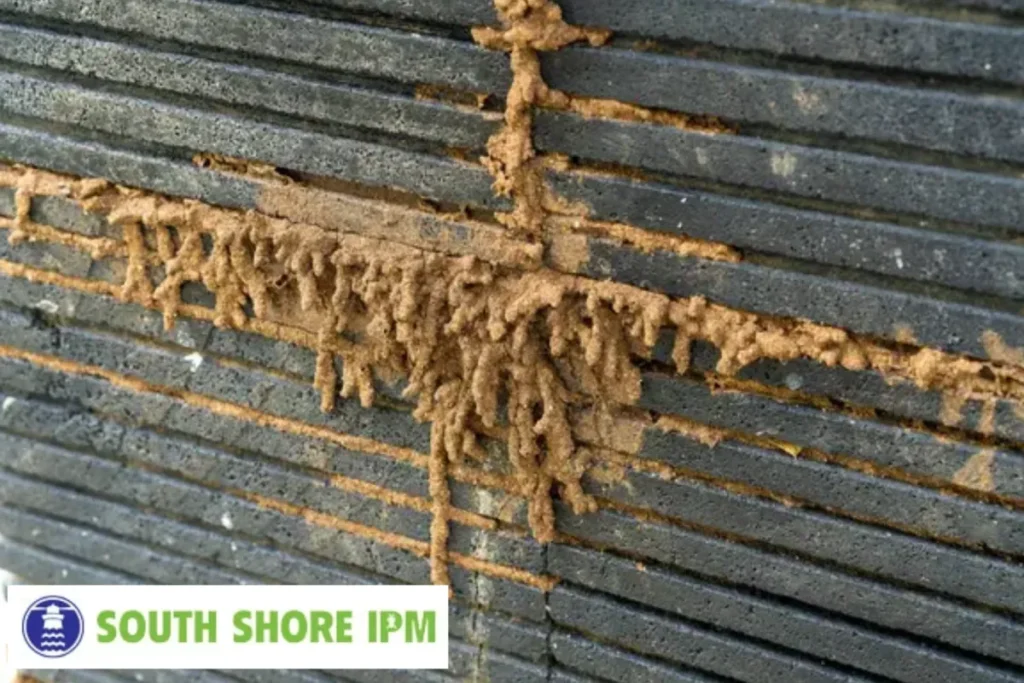
Unlike drywood termites, subterranean termites do not leave visible piles of dry frass. Instead, they use their feces to build “mud tubes,” tunnels made of soil, wood, and saliva that allow them to travel from the ground to your home’s wood without drying out. If you see mud tubes on your foundation, you require immediate treatment.
Is termite frass dangerous to touch?
While it is not toxic or harmful to touch, frass can cause mild skin irritation or allergic reactions in sensitive individuals, similar to standard wood dust. It is always best to wear gloves when inspecting or cleaning up pest debris.
How fast do termites cause damage?
The rate of damage depends on the colony size and the species. A mature colony of subterranean termites can consume about a foot of a 2×4 wooden beam in just a few months. Because damage is often hidden behind walls, proactive treatment is highly recommended before the home’s structural integrity is compromised.
Can I just vacuum up the sawdust and ignore it?
Ignoring the problem will only allow the colony to grow larger. Sweeping up the debris is a good diagnostic step to see if the pile returns, but if it does, it is a clear indicator of an active infestation that requires professional intervention. Pushing off necessary treatment can result in massive repair bills down the road.
Your Environment, Our Commitment
Dealing with property-damaging pests can disrupt your peace of mind and compromise your home’s safety. At South Shore IPM, we are your trusted partner in creating pest-free environments. With more than 50 years of combined experience, our team of skilled professionals has in-depth knowledge of pests and their behaviors.
Our mission is to establish a robust defense perimeter around your home, business, and health. We achieve this by offering innovative, eco-friendly, and tailored management services. Whether you are dealing with an infestation (utilizing our Sentricon monitoring systems), ants, stinging insects, mosquitoes, ticks, or rodents, we have a customized approach designed specifically for your property, including expert termite treatment in Boston, MA.
Giving back to our community is of the utmost importance to our company. That is why we proudly offer a 15% discount for Military and Police/Fire/EMT, and a 10% discount for Senior Citizens and Teachers.
Your satisfaction is our top priority. We stand by our work with a 100% guarantee. If pests return, we come out and retreat, no questions asked. We also offer emergency services to ensure you are never left waiting when an urgent issue arises.
Would you like to schedule a meticulous inspection to determine exactly what kind of pest is leaving debris in your home? Contact us today and let South Shore IPM build a robust defense perimeter around your home!