Do Termites Bite at Night? Understanding Their Activity Cycle and What It Means for Homeowners
When homeowners think of termites, the immediate concern is usually about structural damage, quiet destruction happening behind walls and beneath flooring. But another question has been gaining traction: Do termites bite at night? This curiosity stems from the elusive nature of these pests and their mostly unseen activity. Understanding termites’ behavior, particularly at night, can help homeowners stay alert to warning signs and take preventive steps before major damage occurs.
In this article, we’ll dive into termite behavior, including their nocturnal patterns, feeding habits, and whether human bites are a real concern. If you’re searching for answers about termite bites or exploring your options for termite control near me, this guide is for you.
Do Termites Bite People?
Let’s address the big question: Do termites bite? Technically, yes, termites are capable of biting. However, it’s extremely rare for them to bite humans, and when they do, it’s not part of a feeding or hunting behavior.
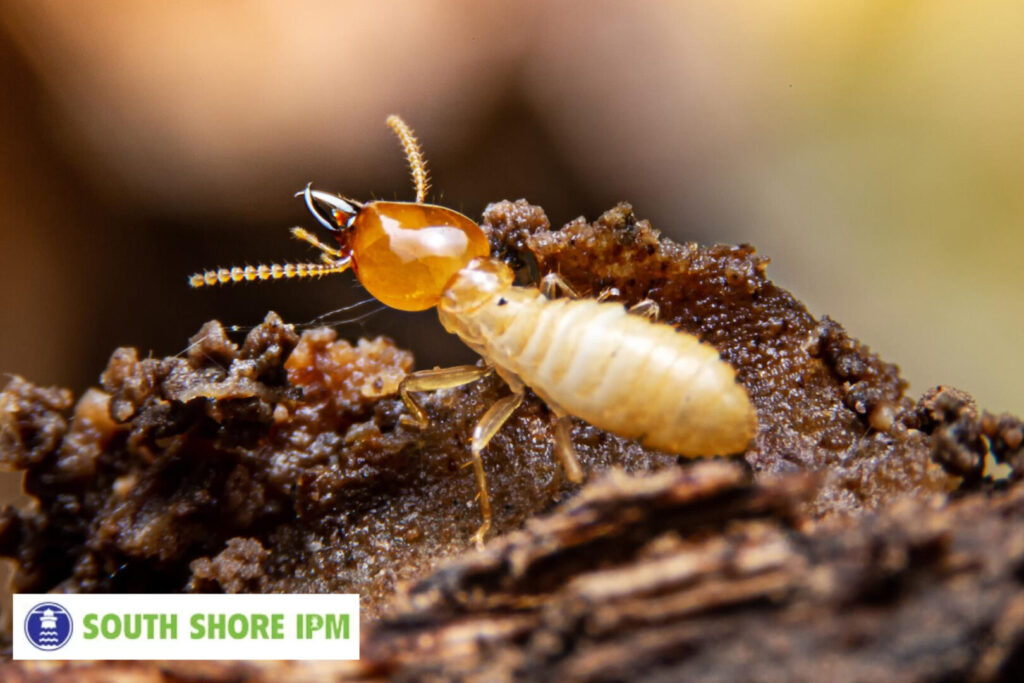
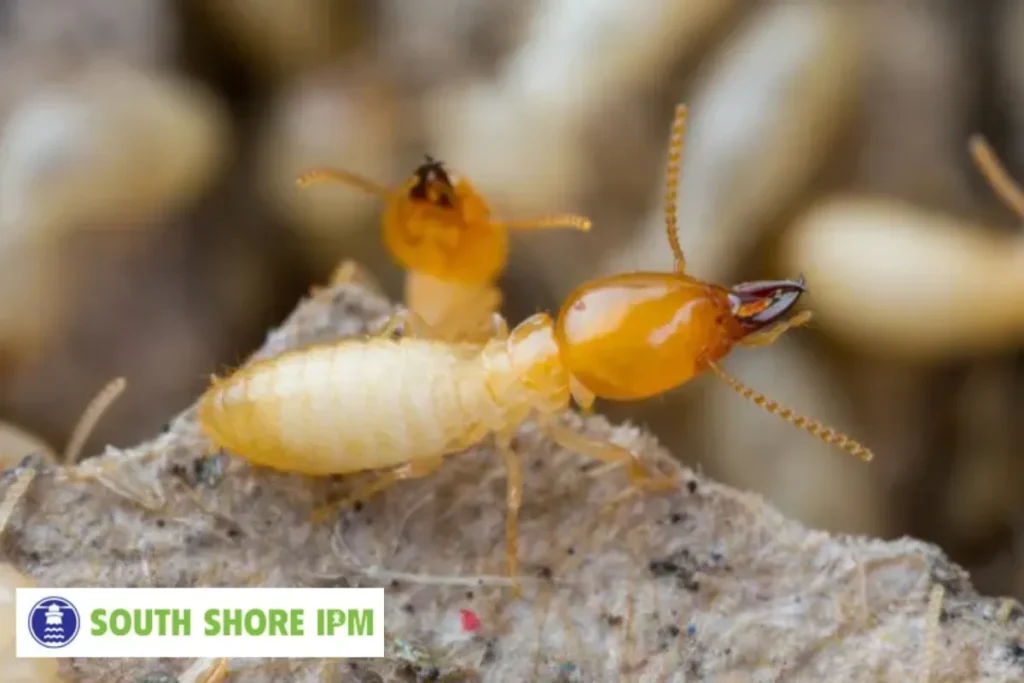
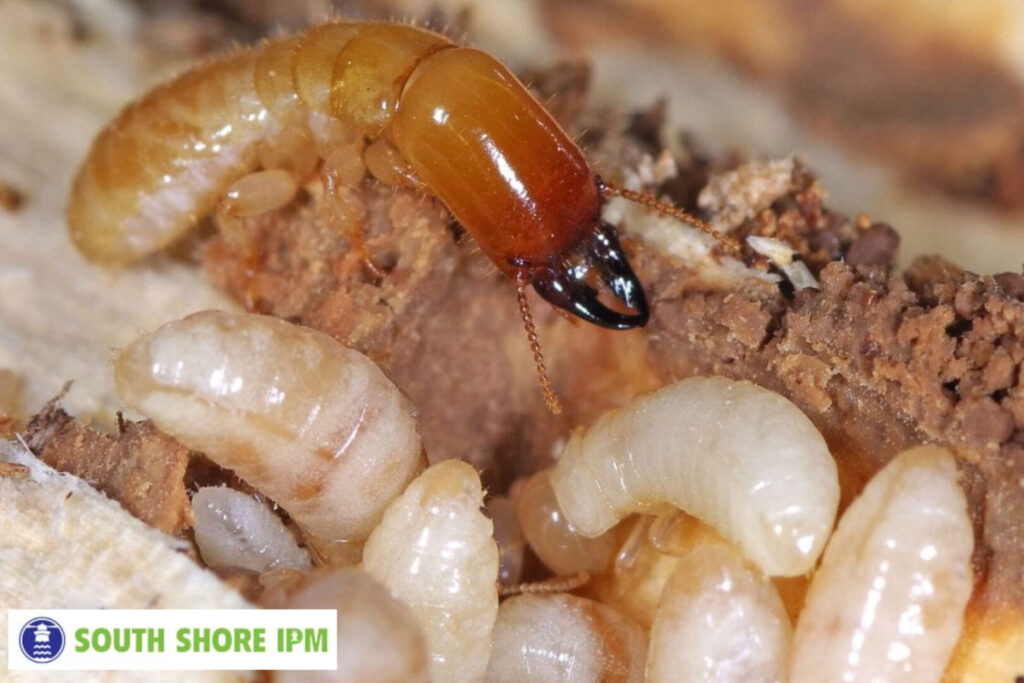
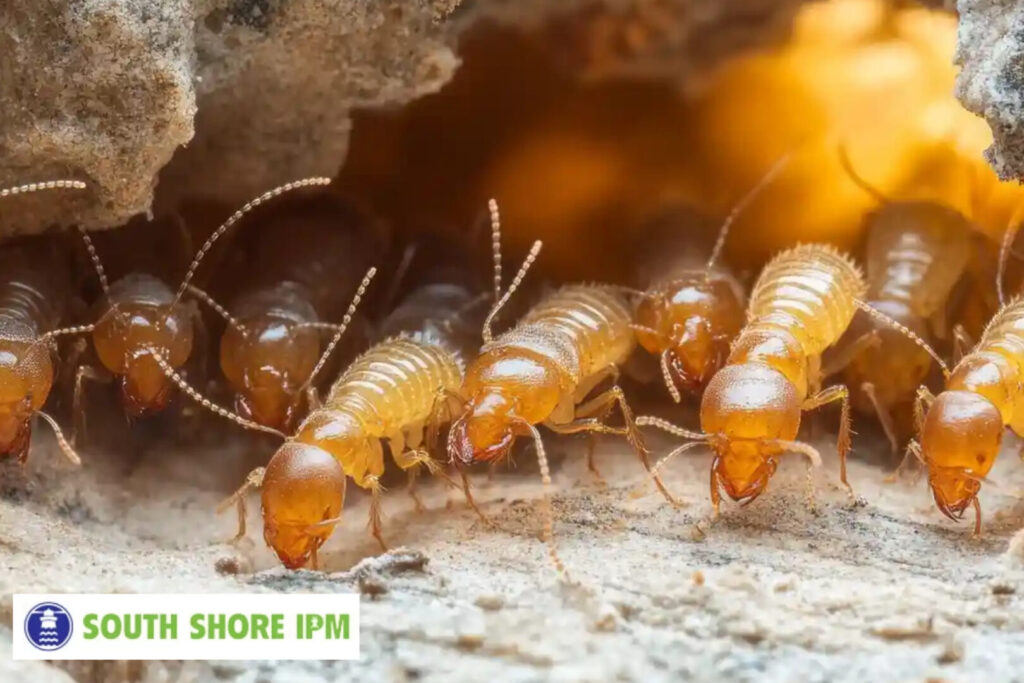
Termites have strong mandibles used for chewing through wood, plant material, and even drywall. These mouthparts can pinch if a termite feels threatened or is handled, particularly by species like soldier termites that act as colony defenders. That said, most humans will never experience a termite bite, and even if they do, it typically causes no harm, no venom, no disease transmission, and no allergic reaction.
So while termite bites are technically possible, they’re not something to lose sleep over. The greater concern is what termites are doing to your home while you’re asleep.
Are Termites Active at Night?
Yes, termites are active 24/7, including at night. Unlike pests that rely on daylight or nocturnal vision, termites are blind or nearly blind and operate in total darkness. They thrive in hidden environments such as beneath floors, inside walls, and under foundations.
This constant activity makes them particularly dangerous. Homeowners can go months or even years without realizing an infestation is growing behind the scenes. Termites don’t rest, and while you sleep, they continue feeding on the wooden structures in your home.
Signs of Nighttime Termite Activity
Although termites are most active in secluded areas, there are some signs that could indicate their presence:
- Clicking sounds in walls: Soldier termites bang their heads to signal danger.
- Hollow-sounding wood: Wood that sounds hollow when tapped could be compromised.
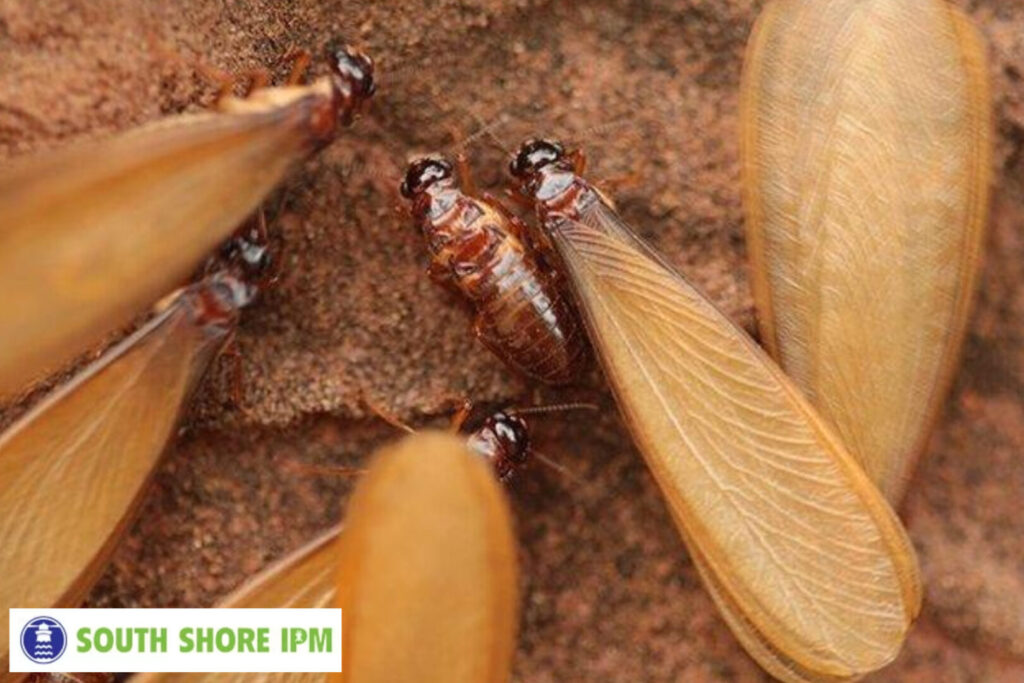
- Discarded wings: Swarmers often shed wings after finding a place to colonize.
- Mud tubes: Subterranean termites build these tubes along walls or foundations.
- Droppings (frass): Drywood termites push tiny pellets out of their galleries.
If you notice these signs, especially during quieter nighttime hours when other household noises are minimal, it may be time to consider termite control.
Why Night Activity Matters for Homeowners
Many people believe that because they don’t see termites during the day, their home must be termite-free. But the truth is, termites are more active and harder at work when we’re least likely to notice them. Their stealthy nature, especially at night, makes early detection challenging and underscores the importance of preventative measures.
Ignoring the signs can lead to severe damage. Termites feed on cellulose found in wood and other plant-based materials, and their silent, round-the-clock feeding can compromise the structural integrity of your home over time.
For homeowners in Massachusetts, working with a trusted exterminator in Milton can provide peace of mind. Professionals can inspect your property for signs of activity, install monitoring systems, and apply treatments using green, safe pesticides.
How Termite Colonies Operate at Night
Termite colonies are highly organized. Here’s how their nightly activity breaks down:
- Worker termites: These are the most active at night, constantly chewing through wood and transporting food.
- Soldier termites: They defend the colony and may become more noticeable if disturbed.
- Reproductive termites (swarmers): While swarming usually happens during the day or dusk, some species swarm at night during specific seasons.
Swarming often occurs after rain or when humidity is high, and it signals that a mature colony is looking to expand. If you notice flying termites indoors or outdoors at night, it may indicate a well-established infestation nearby.
Protecting Your Home from Nighttime Termite Damage
Because termites are silent destroyers, homeowners must be proactive. Here’s what you can do:
- Schedule regular inspections: Annual inspections by a licensed professional help detect early signs of activity.
- Install baiting systems: Tools like Sentricon can monitor termite movement and eliminate colonies discreetly.
- Seal entry points: Make sure cracks in foundations, gaps in siding, and leaks around plumbing are sealed.
- Maintain your yard: Reduce wood-to-soil contact and remove dead trees, stumps, or old mulch piles.
- Control moisture: Fix leaks, improve drainage, and use dehumidifiers in basements or crawl spaces.
Choosing professional pest control in Milton can help you stay ahead of termite activity and protect your investment. Experts can recommend long-term solutions, monitor your property, and apply treatment where needed.
When to Contact a Termite Specialist
If you suspect termite activity, especially signs that suggest a colony may be active at night, don’t wait. DIY methods rarely address the full scope of a problem, and delaying professional help could mean more costly repairs down the line.
Reach out to a provider offering comprehensive termite services, including Sentricon monitoring and customized treatment plans. If you’re wondering whether you need termite control near me, the answer is simple: If you see signs or have concerns, it’s time to act.
About South Shore IPM
South Shore IPM is your trusted partner in creating pest-free environments across Massachusetts. We understand the importance of maintaining a safe, pest-free space for your home or business. From termites and ants to rodents and mosquitoes, our team is equipped to handle even the most challenging infestations with precision and care.
We offer a wide range of services, including general pest control, termite management with Sentricon bait systems, mosquito and tick programs, and specialized plans for mice and bed bugs. Our service packages are flexible, eco-conscious, and tailored to your unique needs, whether that means bi-monthly, quarterly, or seasonal protection.
We pride ourselves on our eco-friendly approach, creating a protective shield around the exterior of your home with green, safe products instead of treating your living spaces with harsh chemicals, ensuring pests stay outside where they belong. As a trusted provider of pest control in Milton, MA, we also offer emergency service, generous discounts for veterans, seniors, teachers, and first responders, along with a customer satisfaction guarantee that reflects our commitment to doing what’s right for our community.
Frequently Asked Questions
Do termites bite while you sleep?
No, termites do not bite humans during sleep. While they can technically bite, it is extremely rare and not something homeowners typically experience.
Why are termites more active at night?
Termites avoid light and thrive in dark, hidden environments. Their activity continues 24/7, but it may seem more noticeable at night due to quieter surroundings.
What are the first signs of a termite problem?
Common signs include hollow-sounding wood, mud tubes, discarded wings, and faint clicking sounds inside walls.
Can I get rid of termites on my own?
DIY methods are usually not effective for eliminating entire colonies. Professional treatment is recommended to fully address the infestation.
How often should I have my home inspected for termites?
It’s best to schedule a professional termite inspection at least once a year to catch issues early and prevent costly damage.
Protect Your Home Before Damage Starts
Termites don’t wait, and neither should you. If you’ve noticed signs of activity or simply want peace of mind, now is the time to act. Our team provides safe, effective solutions designed to detect, prevent, and eliminate termite problems before they escalate.
Contact us today to schedule your inspection and protect your home with reliable, eco-conscious solutions.
Other related blogs:
Battling the Wood Destroyers: Carpenter Ants vs. Termites Who’s the Real Culprit?
From Silent Invaders to Swarming Threats: What Termite Flights Reveal About Your Property