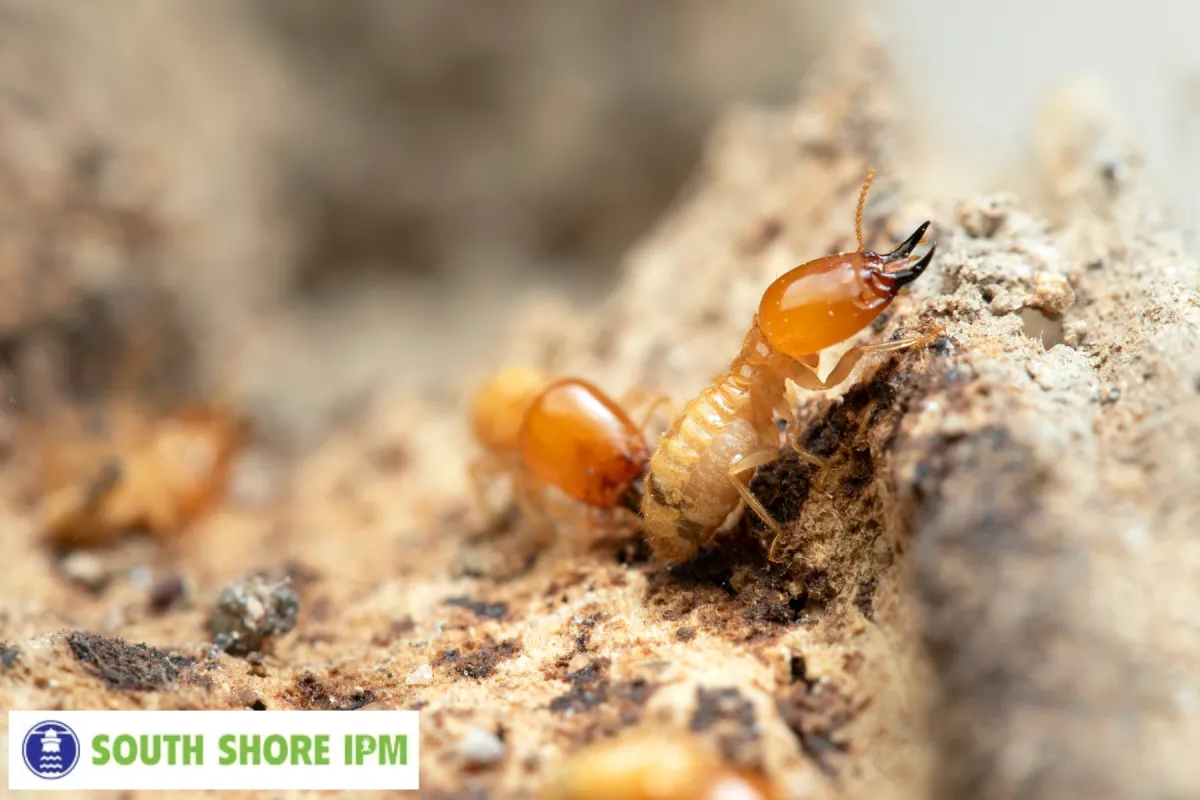
What Are the Early Signs of Termites Before Visible Structural Damage Appears
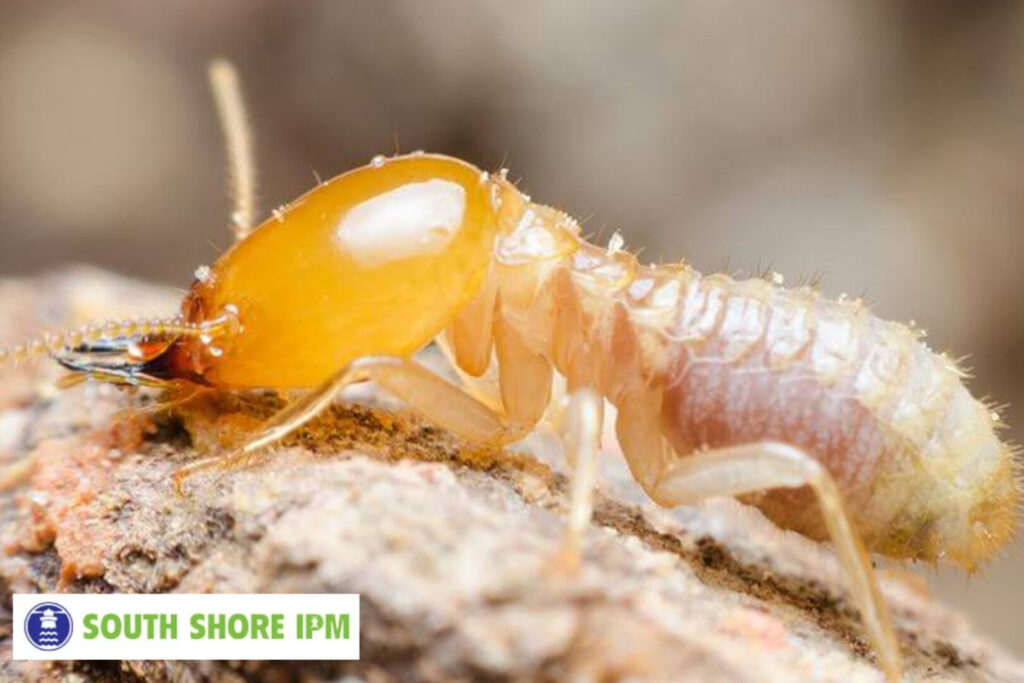
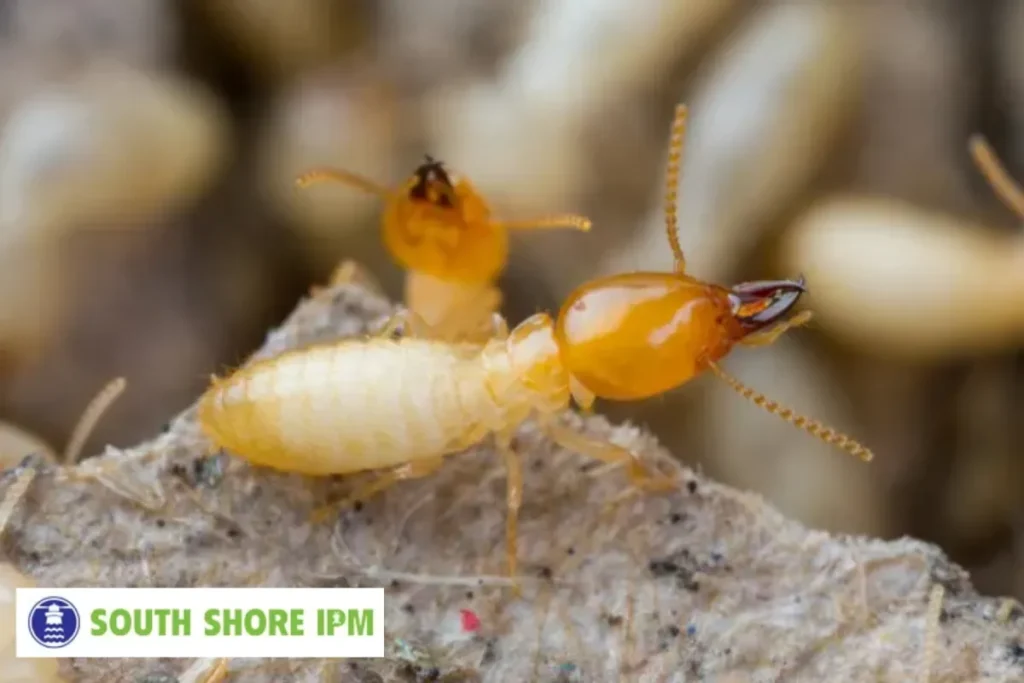
Termites can show signs of activity long before visible structural damage appears. Common warning signs include discarded wings, mud tubes, tiny piles of droppings, hollow-sounding wood, and unexplained changes to painted surfaces. Recognizing these clues early can help homeowners arrange an inspection before a small problem leads to more costly repairs.
What Are the Early Signs of Termites?
The early signs of termites can be easy to miss because these pests often feed inside wood or other hidden areas. You may not see damaged walls or floors, but small clues around your property can point to possible activity.
Here are seven warning signs to look for:
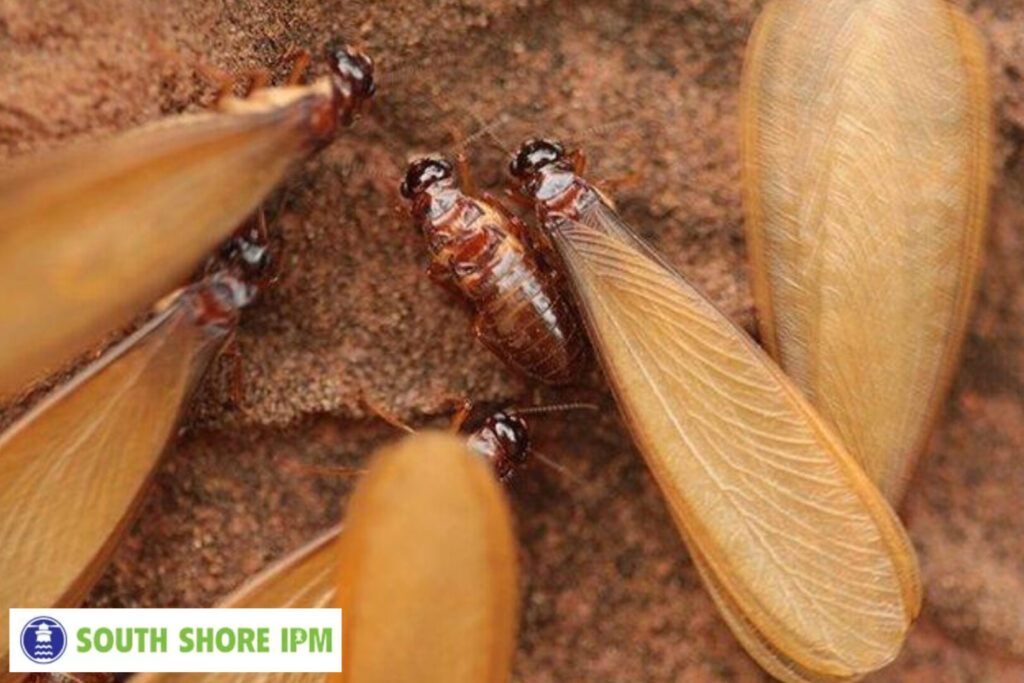
- Discarded wings: Termite swarmers shed their wings after leaving a colony. You may find small piles of wings near windowsills, doors, or other areas with natural or artificial light.
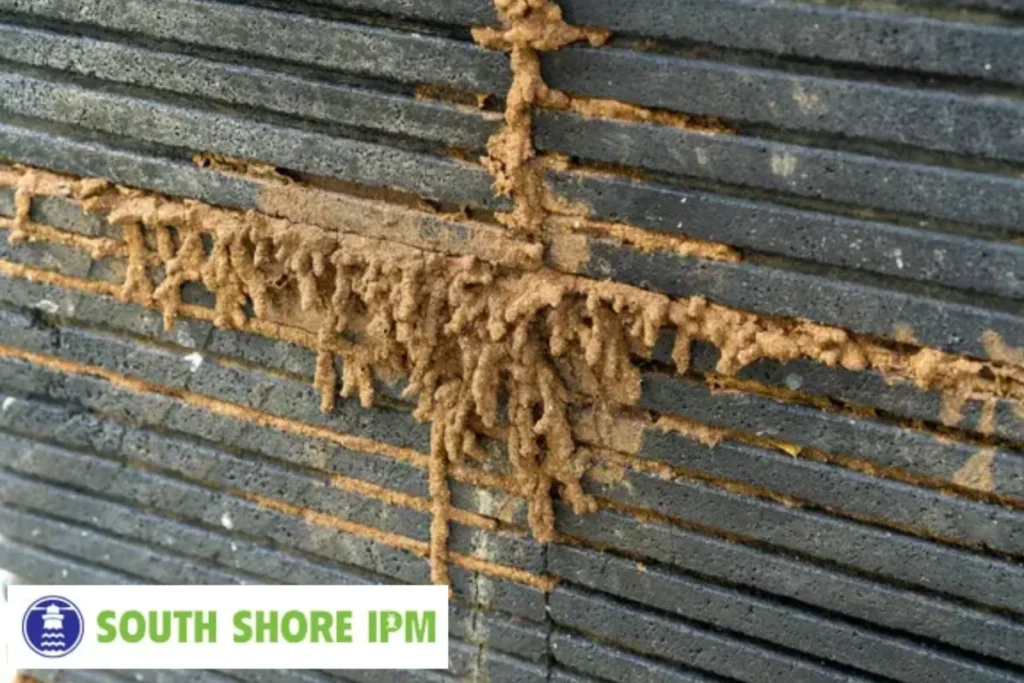
- Mud tubes: Subterranean termites build narrow, dirt-like tubes along foundations and other surfaces. These tubes help them travel between the soil and a food source.
- Hollow-sounding wood: Wood may sound hollow when gently tapped if termites have eaten away at the inside. However, this sound alone does not confirm an infestation.
- Bubbling or peeling paint: Changes to painted surfaces may point to moisture or damage beneath the finish. Other issues can cause the same appearance, so further inspection may be needed.
- Small piles of droppings: Drywood termites can leave tiny, pellet-shaped droppings called frass near infested wood.
- Doors or windows that suddenly stick: Termite damage can affect wooden frames, but humidity and normal building movement can also cause these changes.
- Unexplained wood damage: Small holes, damaged trim, or unusual changes to wooden surfaces may deserve a closer look, especially when other warning signs appear nearby.
No single sign proves that termites are present. However, finding several clues in the same area is a good reason to arrange a professional inspection.
Where Do Termites Hide Before Damage Becomes Visible?
Termites can remain hidden because they often feed in places homeowners do not regularly inspect. They may travel through concealed wood or reach wooden parts of a building through small gaps.
Behind Walls and Baseboards
Termites may feed inside wall cavities or behind baseboards while the outer surface remains intact. Look for unexplained changes to trim, paint, or nearby wood. If you notice several unusual signs in one area, have them checked rather than opening the wall yourself.
Around Door and Window Frames
Wooden frames can provide a food source for termites. A door or window that suddenly becomes difficult to open may be worth checking, particularly if you also notice damaged wood or discarded wings. Remember that sticking frames can have other causes.
Under Floors and Near Wooden Supports
Termite activity can occur in subfloors, floor framing, and other concealed wooden structures. Soft spots, unusual changes to flooring, or damaged wood may need professional attention. These symptoms are not proof of termites, but they should not be ignored when the cause is unclear.
Near Foundations and Damp Areas
Subterranean termites often travel between soil and wood through protected paths. Check accessible foundation areas for mud tubes, especially near cracks and places where wood meets the ground. Leaks and poor drainage can also create conditions that deserve attention.
During a basic home check, use a flashlight to look at accessible areas and take photos of anything unusual. Avoid breaking open walls or damaging wooden structures to search for hidden pests.
How Can You Tell Termite Signs Apart From Other Household Problems?
Some signs of termite activity can look like everyday home issues. Comparing what you notice with other possible causes can help you decide whether to seek professional advice.
| What you notice | Possible termite connection | Other possible causes |
| Bubbling or peeling paint | Hidden wood damage or activity beneath the surface | Moisture or paint failure |
| Hollow-sounding wood | Termites may have eaten wood from within | Natural gaps or wood decay |
| Small piles of pellets | Possible drywood termite droppings | Other debris or insect waste |
| Discarded wings | Possible termite swarmers | Other flying insects |
| Mud-like lines on a foundation | Possible subterranean termite tubes | Dirt or building residue |
| Doors or windows that stick | Possible damage or changes to wood | Humidity or building movement |
These clues can help guide an inspection, but they cannot always confirm the cause. For example, bubbling paint may result from a leak, while small piles of debris may come from another insect. A Hanson pest control professional can examine the evidence and help determine the likely source.
What Is the Difference Between Subterranean and Drywood Termite Signs?
Different types of termites can leave different clues. Understanding these differences can help you know what an inspector may look for, although visible signs do not always identify the termite type with certainty.
| Feature | Subterranean termites | Drywood termites |
| Common warning sign | Mud tubes near foundations or wood | Small piles of pellet-like droppings |
| Typical living area | Soil and connected wood areas | Inside the wood they infest |
| Moisture relationship | Commonly rely on soil moisture | Can infest wood without soil contact |
| Areas to inspect | Foundations and wood near soil | Wooden frames, trim, and furniture |
Subterranean termites commonly build mud tubes to travel between soil and a food source. Drywood termites live inside wood and may leave small pellets near infested areas. Both can remain hidden, so the absence of one type of warning sign does not rule out termite activity.
How Can You Check for Early Termite Signs Safely?
A basic visual check can help you notice possible warning signs without damaging your home. Follow these steps:
- Inspect visible wood: Check accessible trim, door frames, window frames, and other wooden surfaces for unusual changes.
- Check windowsills and floors: Look for discarded wings or small piles of unfamiliar material.
- Observe accessible foundations: Look for narrow mud tubes around areas you can safely reach.
- Note moisture problems: Record leaks, damp areas, or drainage issues that may need attention.
- Look for more than one clue: Several signs near the same area deserve closer attention than an isolated symptom.
- Take photographs: Clear pictures can help document what you found and where it appeared.
- Arrange an inspection when needed: Seek professional advice if you find suspected mud tubes, termite droppings, swarmers, or unexplained wood damage.
Do not rely on a home remedy or treatment applied only to a visible spot to resolve suspected hidden activity. If termites are inside a wall or wooden support, the source may extend beyond the area you can see.
When Should You Schedule a Professional Termite Inspection?
Consider arranging an inspection when you find mud tubes, discarded wings alongside other warning signs, suspected termite droppings, or wood damage without a clear cause. Repeated signs or evidence in several areas also deserve attention. Professional pest control in Hanson, MA can help identify the source of these warning signs and recommend appropriate next steps.
During an inspection, a technician may:
- Ask about the signs you have noticed and where you found them.
- Examine accessible foundations, wooden structures, and likely entry points.
- Look for evidence of termite activity and conditions that may make the property more vulnerable.
- Explain the findings and whether further checks are needed.
- Discuss suitable next steps if termite activity is confirmed.
An inspection may not reveal every hidden area, but it can help you understand the evidence and make an informed decision. For homeowners in Hanson, arranging an assessment when suspicious signs appear can help clarify whether the issue is termites or another household problem.
Myth vs. Fact: Termites Always Cause Visible Damage First
Myth: If your walls, floors, and wooden frames look normal, you do not have termites.
Fact: Termites can feed inside wood and other concealed spaces before visible damage appears. A surface may look fine even when activity is taking place beneath it.
Waiting until wood crumbles or floors begin to sag can delay investigation. Early warning signs do not always mean a serious infestation, but they should not be ignored when there is no clear explanation for them.
Homeowners should also avoid assuming that every crack, paint bubble, or sticking door means termites are present. The goal is to recognize possible clues and have them checked before guessing at the cause.
Applying South Shore IPM’s Termite Protection Approach
South Shore IPM combines more than 50 years of experience with advanced Sentricon monitoring bait systems to help manage termite concerns. Its approach focuses on inspecting the property, placing bait stations where appropriate, and monitoring termite activity over time.
How Does the Sentricon Monitoring Bait System Work?
Sentricon uses bait stations containing a termite-preferred bait matrix. Worker termites feed on the bait and share it with other colony members. According to the company’s service description, the bait affects the termites’ ability to molt, helping disrupt the colony over time.
The system is designed to target termite colonies rather than relying only on treatment at a visible spot. Station placement and monitoring are important parts of the process, and the appropriate plan depends on the property and inspection findings.
South Shore IPM describes its termite control process in three main steps:
- Property inspection: A technician looks for mud tubes, damaged wood, and possible entry points.
- Strategic station placement: Low-profile Sentricon monitoring bait stations are installed around the exterior where appropriate.
- Ongoing monitoring: The company describes annual station inspections to assess activity and determine whether adjustments are needed.
This approach is intended to focus termite management around the exterior of the property. However, no monitoring system replaces an inspection of suspicious evidence, and no single method is right for every situation.
For homeowners in Hanson, South Shore IPM can explain whether its baiting and monitoring approach is suitable for the property and what the inspection findings mean. The company also emphasizes exterior-focused pest management and reducing the need for extensive treatment inside living spaces.
How Can You Reduce the Risk of Termite Activity?
You cannot guarantee that termites will never reach a property, but you can reduce conditions that may make access easier.
- Fix leaks promptly: Repair plumbing leaks and address damp areas around the building.
- Maintain drainage: Keep gutters and downspouts working so water moves away from the foundation.
- Limit wood-to-soil contact: Where practical, keep structural wood from sitting directly against soil.
- Store firewood away from the building: Keep it raised off the ground and away from exterior walls.
- Remove unnecessary wood debris: Clear discarded wood and similar materials from areas near the foundation.
- Keep foundation areas visible: Avoid blocking accessible areas with stored items or debris.
- Investigate suspicious signs: Arrange a professional inspection if you find credible evidence of termite activity.
These steps can help reduce favorable conditions, but they do not confirm whether termites are already present. If you find suspicious evidence, professional pest control in Hanson can help identify the source and determine the appropriate next steps.
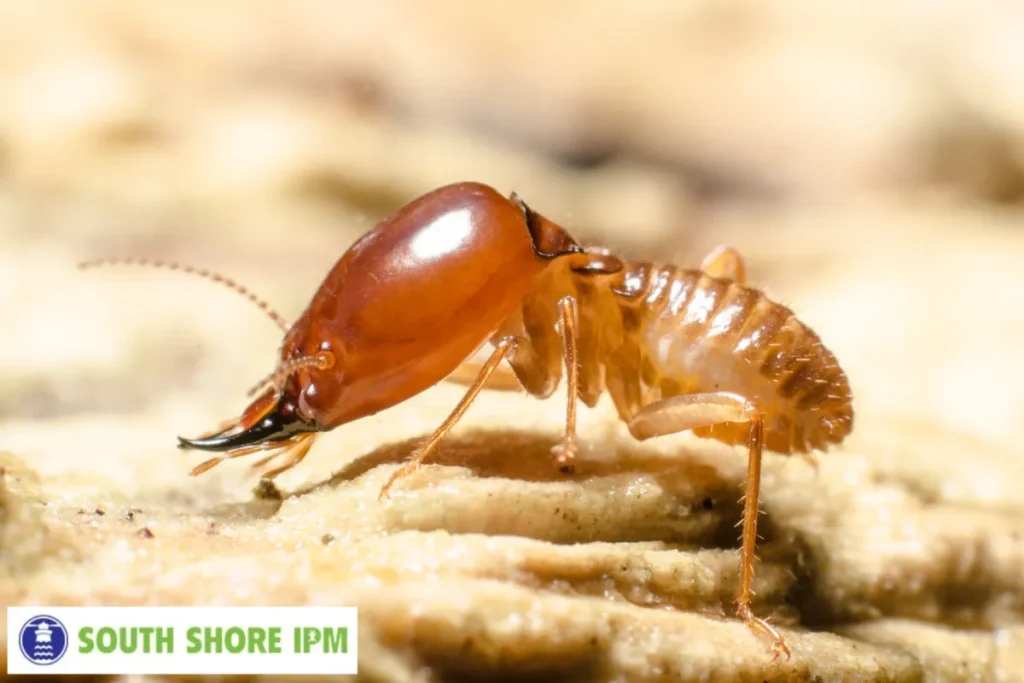
People Also Ask: Early Signs of Termites
What is usually the first sign of termites?
Common early signs include discarded wings, mud tubes, and unusual changes to wood. The first sign varies by termite type and where the activity occurs. One clue alone may not confirm an infestation.
Can termites be present without visible damage?
Yes. Termites may feed inside wood, behind baseboards, or in other concealed areas before damage becomes visible. If you notice suspicious evidence, a professional inspection can help assess the situation.
What do early termite signs look like on walls?
Possible signs include mud tubes, bubbling paint, unexplained changes to trim, or discarded wings nearby. These symptoms can have other causes, so they should be assessed alongside other evidence.
How can I tell termite droppings from sawdust?
Drywood termite droppings, also called frass, often look like small, fairly uniform pellets. Sawdust may look finer or less uniform, but appearance alone is not always enough to identify the material. A professional can help confirm what you found.
Do termites always leave mud tubes?
No. Mud tubes are commonly linked to subterranean termites, but drywood termites can live inside wood without building soil-connected tubes. The absence of mud tubes does not rule out every type of termite activity.
Take the Next Step Toward Termite Protection
Finding a possible termite sign can be worrying, especially when you do not know whether it points to an active infestation. Recognizing the warning signs and arranging an inspection when needed can help you make a clear, informed decision.
South Shore IPM offers personalized pest management guidance with a focus on thoughtful treatment choices and ongoing prevention. If you have noticed mud tubes, discarded wings, suspected termite droppings, or unexplained wood damage, visit the page to learn more and request a quote. The team can discuss your concerns, explain suitable options, and help you decide on the next step for your property.
Don’t wait for visible damage to appear. Contact South Shore IPM to discuss termite monitoring and protection options for your property. Get a quote today.