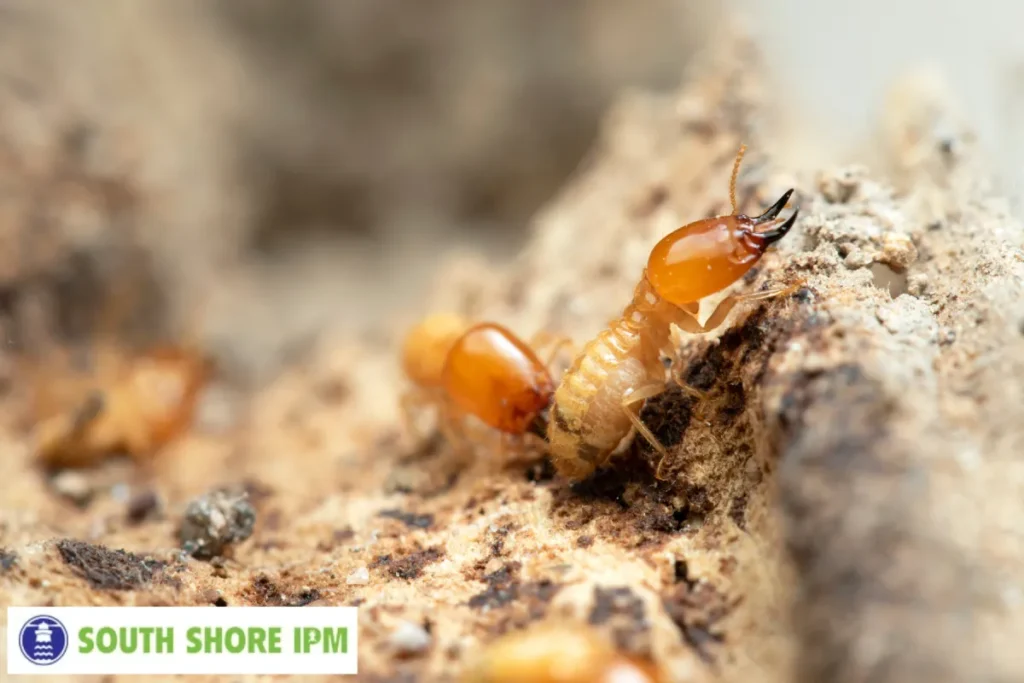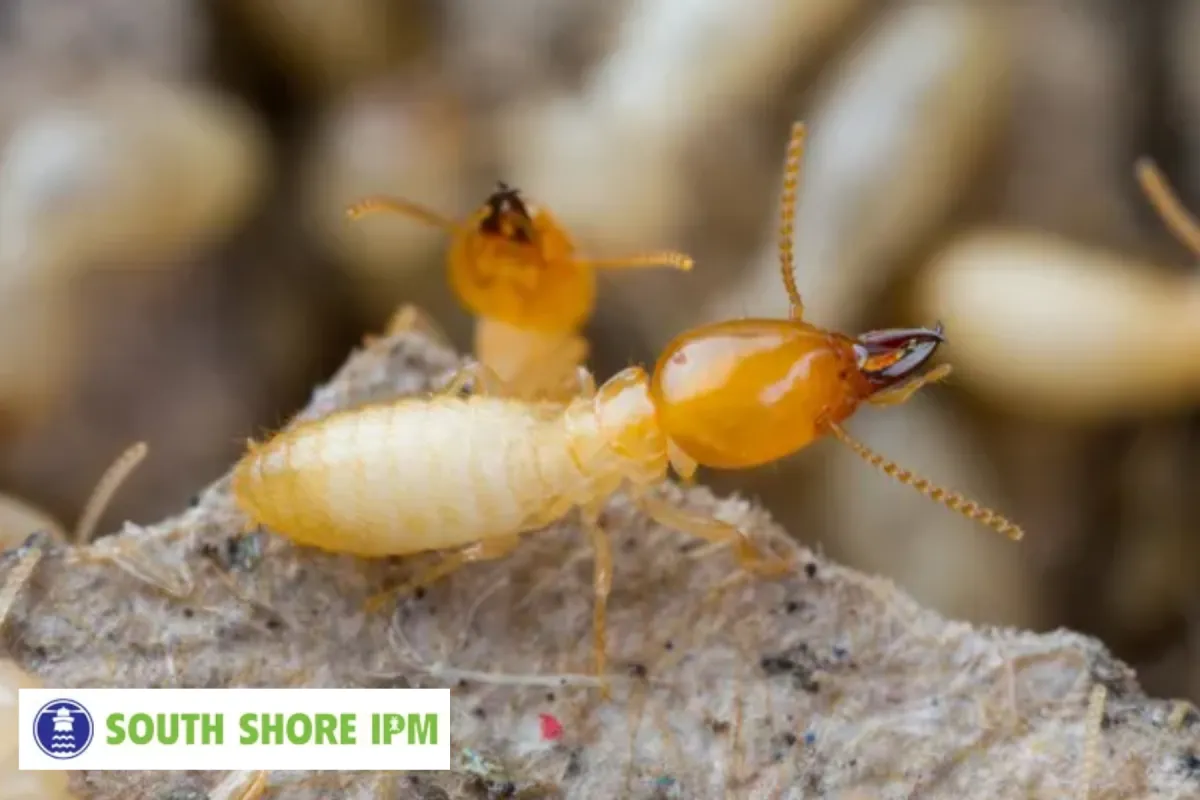
How to Identify Active Termite Galleries vs. Old Inactive Damage
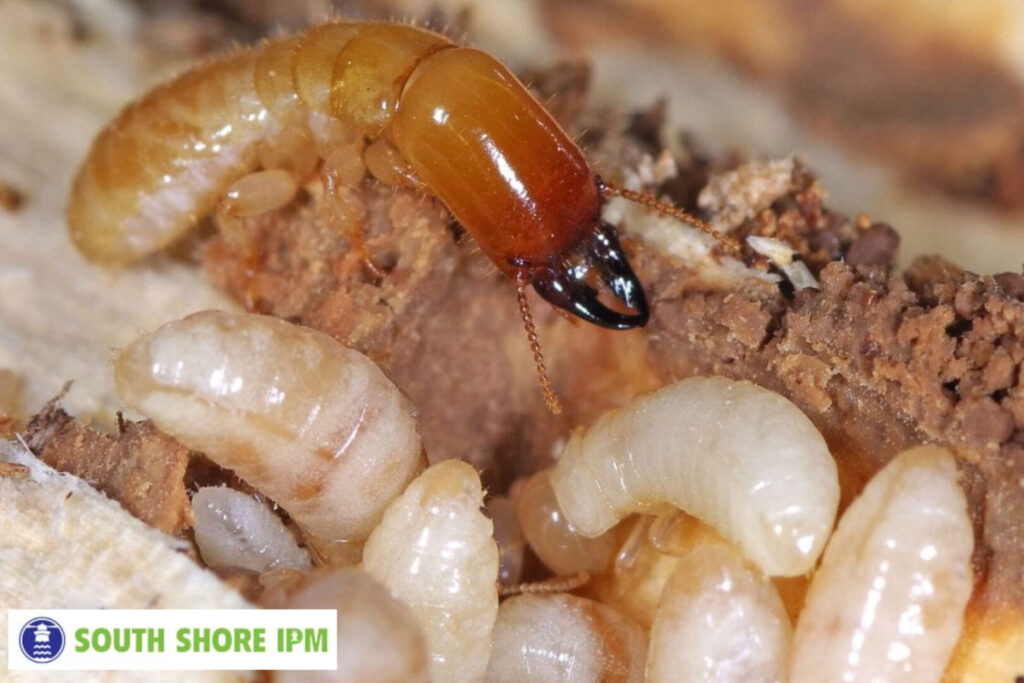
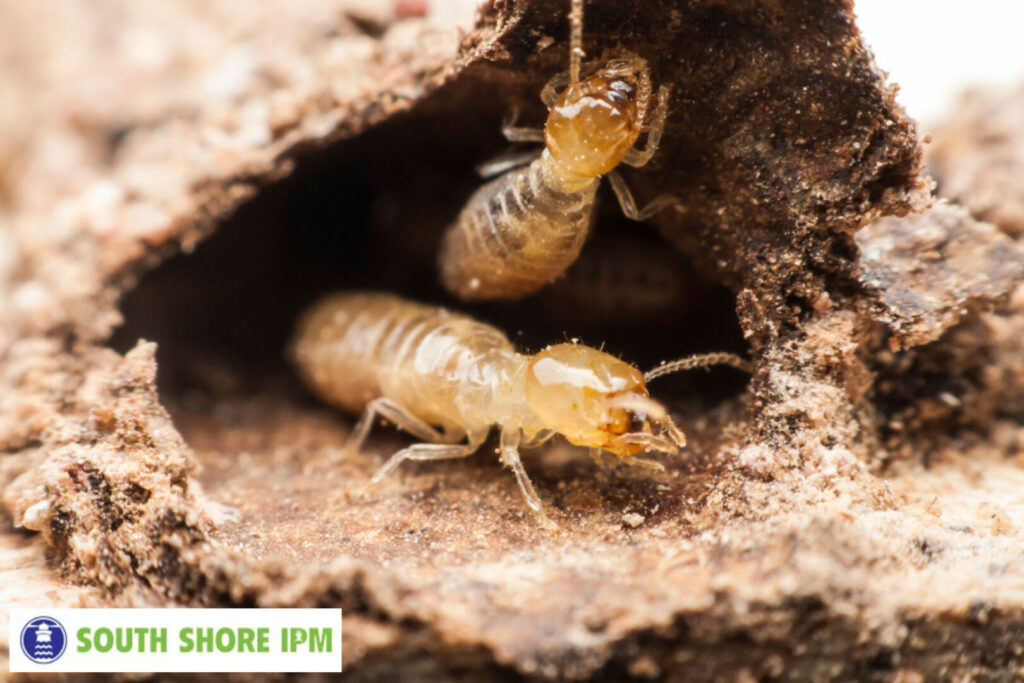
To distinguish active galleries from old inactive damage, look for moist mud tubes, live cream-colored insects, and fresh accumulation of fine, wood-colored powder or fecal pellets (frass). Breaking open a small section of an active gallery will reveal busy worker termites or wet mud repairs within 24 hours. In contrast, old damage feels completely dry, hollow, and brittle, with no signs of ongoing structural modification or live insect activity.
5 Clear Signs of an Active Termite Gallery
Determining whether a wood-destroying insect infestation is current requires looking for specific, fresh biological markers left behind by a living colony. Making a mistake here can mean the difference between stopping a minor issue and letting a hidden colony quietly destroy your property investment over the next several months.
During a recent property evaluation for a family in the area, we encountered a home where historical damage from five years prior was located directly adjacent to a brand-new, thriving subterranean colony. The homeowner thought the old, warped wood was the only problem, but the insects had quietly bypassed it to feed on the nearby fresh framing. This highlights why a professional pest inspection in Kingston, MA, is so critical for historical properties.
Here are the five most common signs that a gallery is currently active:
- The Presence of “Live” Moisture: Active subterranean termites transport wet soil deep into walls to maintain a high-humidity environment. If the exposed wood gallery feels damp, cold, or slightly soft to the touch, it is currently occupied.
- Fresh Frass Accumulation: Drywood termites kick tiny, six-sided fecal pellets out of small “kick-out holes.” A fresh pile will look like distinct, clean grains of sand or pepper, whereas old frass is often scattered, dusty, and mixed with household lint or cobwebs.
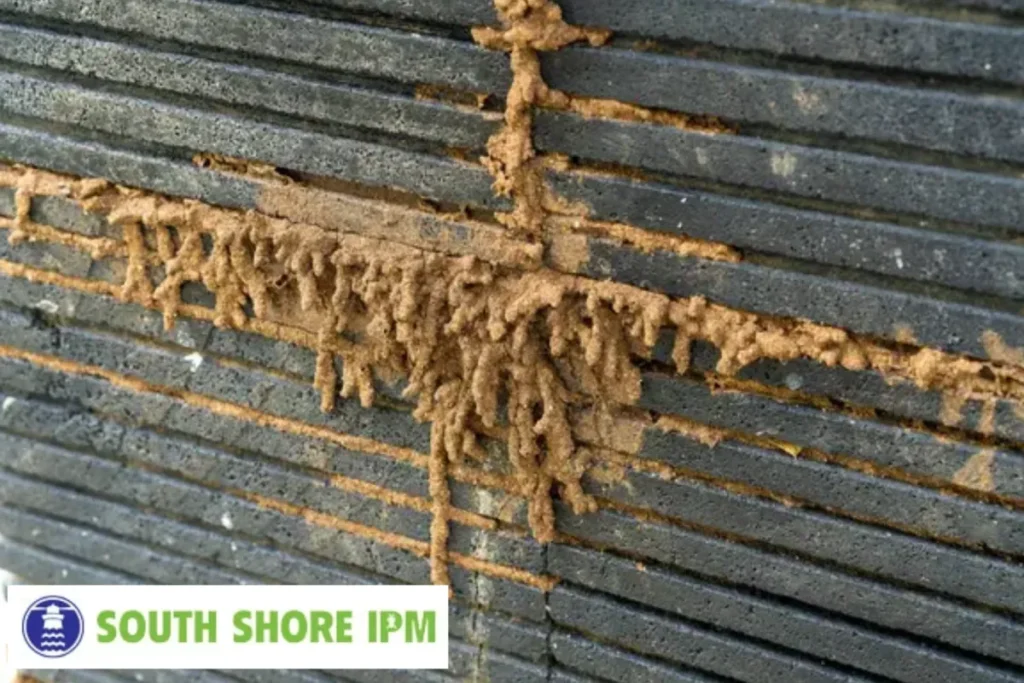
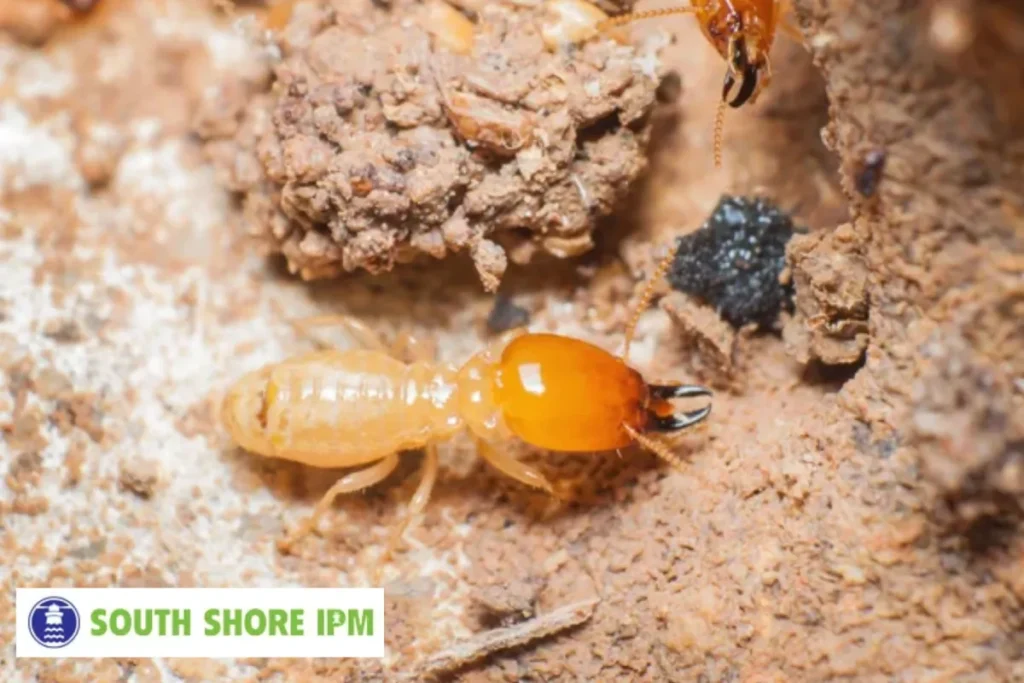
- Subterranean Mud Tubes with Working Inhabitants: Look for pencil-width earthen tubes running up concrete foundations or behind drywall. Breaking a half-inch section open is the easiest diagnostic test; if it is active, you will see worker termites rushing to repair the gap.
- Clicking and Tapping Sounds: When a colony is actively feeding or threatened, soldier termites strike their heads against the gallery walls to alert the nest. This creates a faint, rhythmic clicking sound audible behind drywall if you listen closely in a quiet room.
- Freshly Shed Wings Near Entry Points: Reproductive swarmers discard their wings after mating flights. Finding clusters of identical, translucent wings on windowsills or near baseboards indicates a mature, active colony is nesting inside the immediate structure.
Active Galleries vs. Past Wood Damage
Correctly diagnosing structural wood damage prevents you from paying for unnecessary spot treatments on past, already-liquidated infestations while ensuring active threats get immediate attention. True termite control relies on separating past history from current activity.
| Diagnostic Feature | Active Termite Gallery | Past Inactive Damage |
| Internal Texture | Lined with moist mud matrix or smooth, damp frass pellets | Completely dry, brittle, hollow, and easily crumbles to dust |
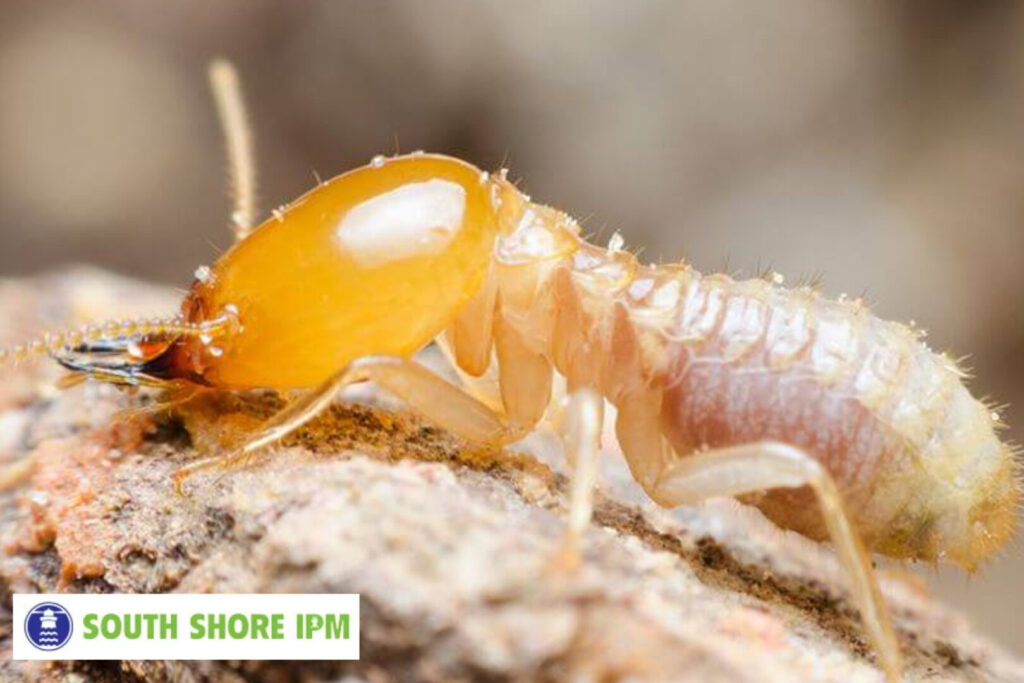
| Insect Presence | Live worker and soldier termites are visible upon breaching | Empty tunnels, carcass remnants, or invading secondary pests (ants) |
| Structural Sound | Soft, papery exterior that yields easily to gentle knife pressure | Hollow echo when tapped, but the remaining wood framework is dry |
| Repair Response | Open breaches in mud tubes are sealed shut within 24–48 hours | Broken sections remain permanently open and exposed to the air |
| Associated Debris | Fresh, clean piles of uniform frass or crisp, intact swarmer wings | Darkened, dusty wood debris mixed with dirt, cobwebs, and lint |
4 Steps to Test If Termite Damage Is Active
If you discover hollow-sounding wood or dirt-packed channels in your home, follow this systematic field-testing protocol to check for live activity before booking a major treatment.
- The Knife Penetration Test: Gently press a flathead screwdriver or pocketknife into the damaged timber. If the blade cuts through like wet cardboard and uncovers moist mud or moving cream-colored workers, the gallery is highly active.
- The Mud Tube Breach Test: Locate a prominent mud tube along your foundation or basement joists, then snap off a small section in the middle. Check back exactly one day later; if the broken gap has been reconstructed with fresh, dark mud, a living colony is operating behind the wall.
- The Clean Sheet Trap: Vacuum up any loose wood pellets beneath suspected drywood termite exit holes, then place a clean, white sheet of paper directly beneath the zone. Check the paper over the weekend; fresh, newly dropped pellets confirm active feeding.
- The Flashlight Shadow Check: Turn off the room lights and shine a bright flashlight parallel along the surface of your drywall. Look for subtle rippling, bubbling, or pinholes in the paint, which indicate they are actively eating the paper backing right beneath the surface.
Applying our Proactive Approach to Solve This
At South Shore IPM, we understand that discovering structural wood damage causes immediate anxiety for any property owner. We remove the guesswork from structural inspections by deploying our signature service system. Our team brings over 50 years of experience to your doorstep, using skilled technicians who know exactly how local environmental factors affect insect behavior.
We protect your property with a dedicated, proactive approach that treats your home as a single ecosystem. We are committed to safety and environmental responsibility, which is why we specialize in eco-conscious pest control techniques and exclusively use pet-safe products inside your living spaces. Instead of flooding your home with heavy chemical sprays, we minimize interior applications and focus on creating a powerful, long-lasting exterior barrier that intercepts pests before they can ever touch your structure.
This smart strategy enables us to deliver top-rated structural protection that keeps your family, pets, and local environment perfectly safe. When we find an active colony, we use highly precise systems to trace the infestation back to the soil, ensuring the root of the problem is permanently destroyed without contaminating your home.
As a trusted local partner, we believe that high-quality property protection should be accessible and fair. We offer flexible programs tailored to your specific building design, along with specialized community discounts to give back to those who serve. We proudly offer a 15% off discount for military personnel, police, firefighters, and EMTs, and a 10% off discount for senior citizens and teachers. When you partner with us, you are choosing an experienced exterminator in Kingston, MA that values honesty, sustainability, and real long-term prevention over a quick fix.
Debunking the Myth: “If You Don’t See Swarming Bugs, the Damage Is Historical”
The single most dangerous misconception among property owners is believing that a lack of flying, swarming insects means the colony has left the building. Many homeowners delay calling for professional pest control in Kingston, MA, simply because they haven’t seen a cloud of winged insects in their living room.
In reality, reproductive swarms only occur once or twice a year for a few brief hours when weather conditions are perfectly warm and humid. The other 364 days of the year, millions of worker termites feed silently deep inside your structural beams, subfloors, and floor joists. They do this without ever breaking through the outer layer of wood or the exterior coat of paint on your drywall. Assuming that structural wood damage is old and inactive simply because you have not personally seen a swarm can allow a hidden colony to continue chewing through your home’s load-bearing supports for years, completely undetected.
Key Terms in Wood-Destroying Insect Management
Subterranean Gallery
Tunnel networks are excavated within wood structures packed with mud, soil, and saliva to maintain moisture levels for ground-dwelling termites.
Drywood Frass
Small, hard, six-sided fecal pellets ejected from wooden structures by drywood termites, featuring distinct concave sides.
Swarmer (Alate)
The winged, reproductive form that leaves an established nest to mate and start a new colony elsewhere.
Breach Repair
The biological habit of worker termites is to rapidly seal holes or broken paths in their mud tubes to maintain internal humidity and keep out predators such as ants.
People Also Ask
Will old damage attract new termites to a home?
Yes. Old, inactive galleries leave behind specific pheromone signatures and easily accessible, softened wood pathways. If structural moisture issues or leaks return to that area of the property, a completely new colony migrating from the soil can easily occupy the abandoned tunnels.
How long can a termite colony remain active inside a wall?
A healthy colony can remain active inside a home for over a decade if they have regular access to soil moisture and a stable wood source. The queen can live for up to 15-30 years, constantly producing new workers to expand the nest.
Can old termite damage cause a home’s ceiling or floor to sag?
Yes. Even if they have been completely eradicated for years, historical structural wood loss weakens load-bearing joists. Over time, gravity and the weight of the house will cause those hollowed beams to sag or collapse if they were never structurally reinforced.
What is the most reliable way to confirm a termite colony is dead?
The most accurate method is a professional inspection using advanced moisture meters, acoustic sensors, or thermal imaging cameras. These specialized tools detect the tiny movements and moisture variations of hidden insects without tearing into your drywall.
Protect Your Structural Investments with South Shore IPM
Do not let hidden wood-destroying pests silently erode your property’s value or cause you unnecessary stress. Trying to diagnose structural damage on your own using simple visual checks can lead to costly mistakes, overlooked colonies, or unnecessary treatments.
At South Shore IPM, we are your eco-conscious, customer-centric pest control partners. We combine exceptional field expertise with a professional, friendly approach to keep your home or business safe and secure. We focus on long-term prevention and targeted exterior treatments, ensuring you have ultimate peace of mind without leaving a heavy chemical footprint in your living spaces.
Ready to find out exactly what is happening inside your walls with total confidence? Contact us today to request your free quote or schedule a comprehensive structural consultation. Let our team deliver the dependable, green protection your property deserves.