How Do Termite Control Professionals Distinguish Active Damage From Old Wood Damage
Termite control professionals distinguish active termite damage from old wood damage by looking for live termites, fresh mud tubes, signs of recent feeding, and moisture around affected wood. They also examine the condition and pattern of the damage because its appearance alone cannot confirm whether termites are still present.
Finding damaged wood in your home can raise questions about whether termites are still feeding inside your property. Some damage may be left over from an earlier infestation, while other signs may point to current activity. A professional inspection helps determine what the evidence suggests and whether treatment, repairs, or continued monitoring may be needed.
What Are the Main Differences Between Active and Old Termite Damage?
Active termite damage means termites are currently feeding on or moving through wood in or around a property. Old termite damage is deterioration left behind by a previous infestation. However, old-looking damage does not necessarily mean termites are gone from the entire property.
Signs of Active Termite Damage
Professionals look for several clues that may indicate ongoing termite activity:
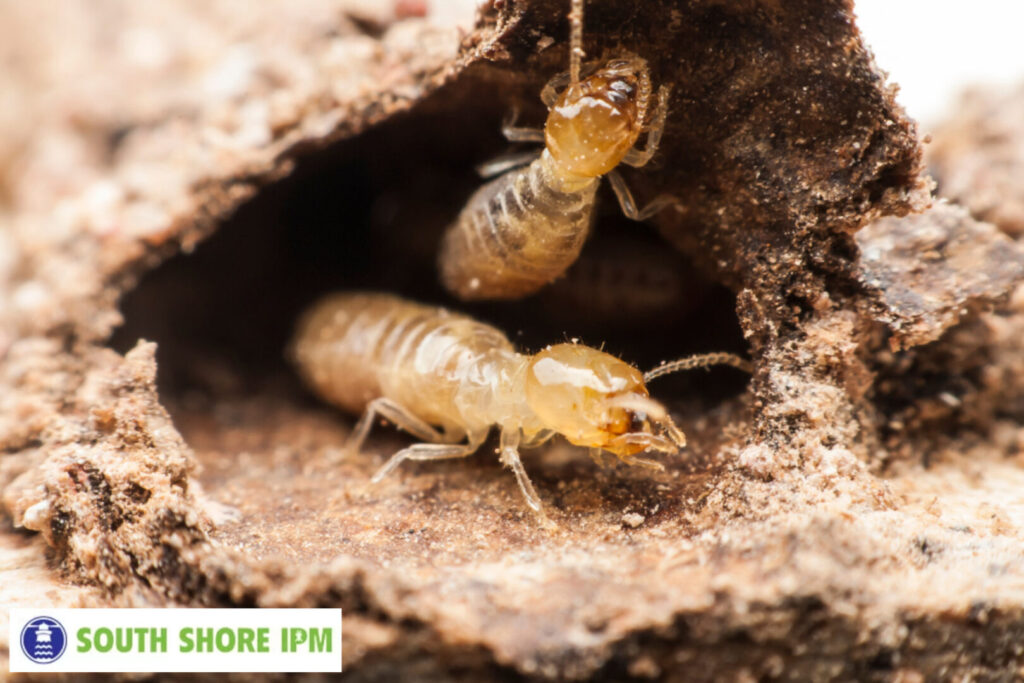
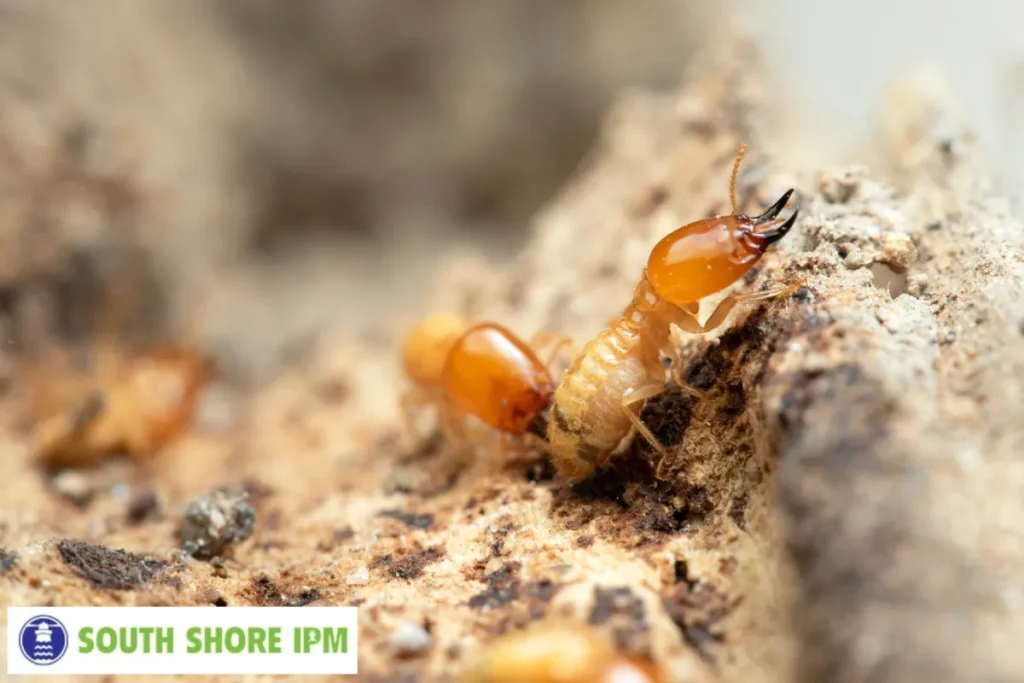
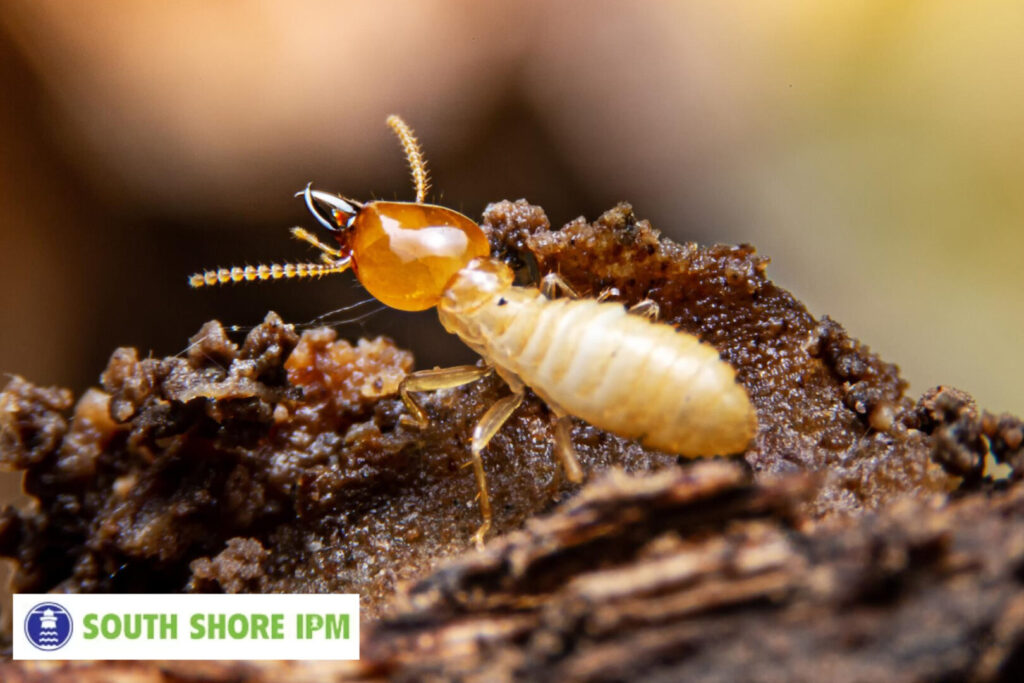
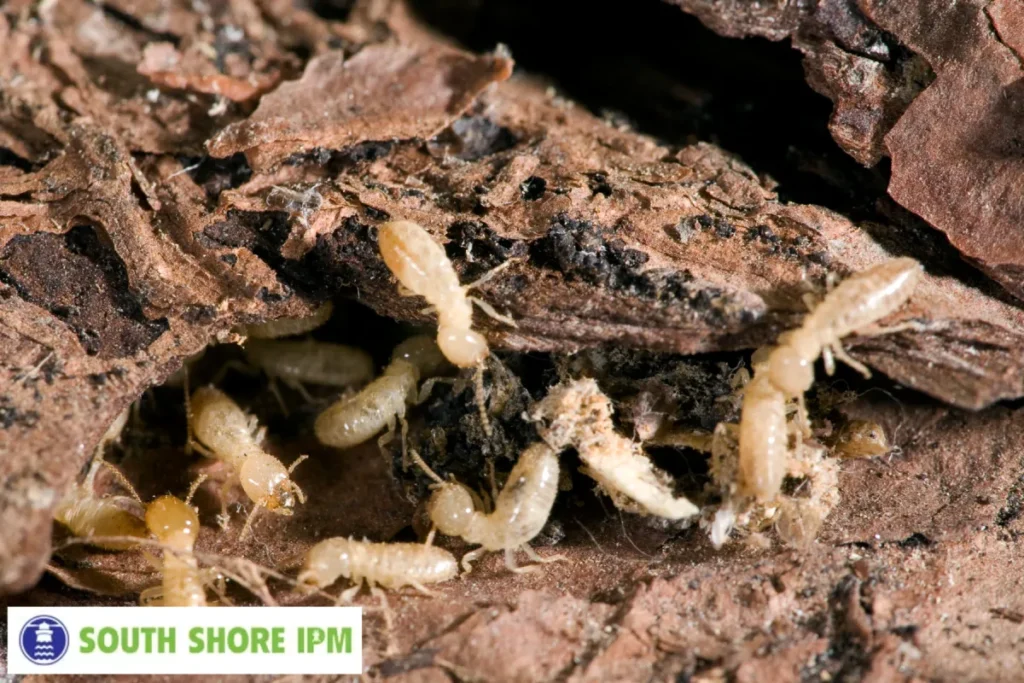
- Live termites: Finding live termites in damaged wood or nearby areas is strong evidence of current activity.
- Fresh mud tubes: Subterranean termites build mud tubes to travel between their colony and food sources. Tubes that appear intact or recently maintained may indicate continued use.
- New or expanding damage: Further deterioration in previously affected areas may suggest ongoing feeding.
- Moisture around wood: Damp conditions can support termite activity, especially when wood is exposed to leaks or remains in contact with soil.
- Feeding evidence: Technicians may find termites or signs of recent movement inside damaged sections.
Signs of Old or Inactive Termite Damage
Older damage may have different characteristics:
- Dry, weathered, or previously repaired wood.
- Damaged sections with no visible live termites.
- Mud tubes that appear broken or deteriorated.
- No clear signs of additional damage.
- Previous treatment or repair records that help explain the condition.
| Inspection detail | Active termite damage | Old or inactive damage |
| Live termites | May be present | Usually not observed |
| Mud tubes | May appear intact or maintained | May be dry, broken, or abandoned |
| Wood condition | May show continued deterioration | May show established damage |
| Moisture | May be present around affected areas | May be dry, but this does not confirm inactivity |
| Damage pattern | May show signs of continued feeding | May reflect an earlier infestation |
No single sign confirms whether termites are active. Professionals consider several findings together during a termite control inspection before deciding what the damage means.
What Do Termite Control Professionals Look for During an Inspection?
A professional inspection involves more than checking the visible damaged area. Technicians examine the surrounding structure and look for signs that could explain how termites entered and whether they are still present.
1. Visible Termites and Feeding Evidence
Technicians check exposed wood, cracks, and other accessible areas where termites may be hiding. They look for live insects and examine damaged sections for signs of feeding.
Termites can remain concealed inside wood, so homeowners may not see them even when activity is ongoing. This is why technicians inspect the surrounding areas rather than relying only on the visible damage.
2. Mud Tubes and Shelter Tunnels
Subterranean termites build mud tubes to protect themselves while traveling between their colony and a food source. These tubes may appear along foundations, walls, crawl spaces, and other areas near wooden structures.
During an inspection, technicians check whether the tubes appear intact, recently maintained, or damaged. A tube that looks old or broken does not automatically mean the infestation has ended. Professionals may need to investigate nearby areas for additional evidence.
3. Wood Condition and Damage Patterns
Termite damage can be difficult to judge from the outside. Some wood may look normal on the surface while its interior has been weakened by feeding.
Professionals examine accessible damaged sections for hollow areas, galleries, weakened materials, and other signs of deterioration. They may compare affected wood with nearby sections to understand how far the damage extends.
4. Moisture Levels Around Damaged Wood
Moisture is another factor technicians consider. Leaking pipes, poor drainage, condensation, and damp crawl spaces can create conditions that support termite activity.
Moisture alone does not prove that termites are present. It helps technicians understand the conditions around the damaged wood and identify issues that may need attention.
How Can Professionals Tell Whether Termite Damage Is Recent or Years Old?
Determining the age of termite damage is not always straightforward. Professionals use several inspection findings to assess whether activity may still be happening.
1. Examine the Condition of the Wood
Technicians inspect damaged areas for exposed galleries, weakened sections, and possible recent feeding. They also consider whether the wood has been repaired or exposed to moisture over time.
Wood color alone is not a reliable way to determine when termite damage occurred. Other conditions, including age and water exposure, can change its appearance.
2. Look for Evidence of Current Activity
The presence of live termites is an important indicator. Technicians also check mud tubes and nearby wooden materials for signs of continued activity.
If no termites are visible, they do not automatically classify the damage as inactive. Termites may be concealed in areas that are difficult to access.
3. Compare Multiple Areas of the Property
An inspection should not stop at the first damaged section. Professionals may examine nearby foundations, support beams, crawl spaces, and other accessible areas.
This helps them determine whether the damage appears isolated or whether there may be additional activity elsewhere. Homeowners looking for an exterminator in Pembroke, MA can benefit from this wider inspection because visible damage may not show the full extent of a termite problem.
4. Review Previous Treatments and Repairs
Previous termite treatment records can provide useful background. Technicians may ask whether the property has been treated before, whether damaged wood was replaced, and whether monitoring was performed afterward.
These details help explain the property’s condition and guide recommendations for treatment or further inspection.
Can Old Termite Damage Still Indicate a Current Infestation?
Yes. Old termite damage can remain visible long after the original infestation has ended, but it may also be found near areas where termites are still active.
For example, termites may have damaged one section of a wooden structure in the past and later moved to another area. A homeowner might notice the older damage first without realizing that a separate problem exists nearby.
Professionals investigate beyond the visible damage for several reasons:
- Termites can remain hidden behind walls, flooring, and other building materials.
- Previous damage may be close to an area with current termite activity.
- A property can have both old damage and a separate active infestation.
- Earlier treatment does not remove the need to assess new signs of activity.
An inspection can help determine whether the findings suggest an active infestation, older damage, or a situation that needs additional monitoring. If you are researching pest control in Pembroke, MA, look for a provider that assesses the property before recommending a treatment plan.
What Happens After Professionals Confirm Active or Old Termite Damage?
Once technicians complete the inspection, their recommendations depend on what they find. Active termite activity and older damage may require different next steps.
If Active Termite Activity Is Confirmed
Professionals may:
- Identify affected areas and possible termite pathways.
- Determine the appropriate treatment based on the property and extent of activity.
- Recommend targeted treatment options.
- Address conditions that may contribute to termite activity, such as excess moisture.
- Discuss monitoring or follow-up inspections when appropriate.
The goal is to address the current termite problem while considering ways to reduce the risk of future activity.
If the Damage Appears Old or Inactive
When there are no clear signs of current activity, technicians may recommend:
- Documenting the visible damage.
- Checking nearby areas for additional signs of termites.
- Considering repairs or replacement of weakened wood.
- Addressing moisture problems when present.
- Monitoring the property for new signs of activity.
If the damaged wood affects an important structural component, a qualified building professional may need to assess its condition. Pest treatment and structural repairs address different concerns, and both may be necessary.
What Factors Can Make Termite Damage Difficult to Identify?
Not every termite inspection produces an obvious answer. Several conditions can make it harder to determine whether the damage is recent or old.
- Concealed activity: Termites can remain inside walls, floors, and wooden structures, making their presence difficult to see.
- Surface damage: The outside of a wooden section may not show how much deterioration has occurred inside.
- Similar damage patterns: Older termite galleries may resemble damage caused by current feeding.
- Moisture problems: Water damage and wood deterioration can create signs that may be confused with other problems.
- Previous repairs: Replaced or covered materials may hide evidence of an earlier infestation.
These conditions make a careful inspection important. A professional needs to consider the damaged wood, nearby areas, and other signs before deciding whether treatment is appropriate.
Misconceptions About Termite Damage: If the Wood Looks Dry, the Termites Must Be Gone
Dry-looking wood does not automatically mean termite activity has stopped. Although moisture can support certain termite conditions, the appearance of the wood alone cannot confirm whether an infestation is active or inactive.
Termites may remain hidden inside structural materials without creating obvious changes on the surface. Old damage can also remain visible long after termites have stopped feeding in that particular area.
Homeowners should not assume that the absence of visible termites means a property is free from activity. A reliable assessment considers live insects, mud tubes, feeding evidence, moisture conditions, and the surrounding structure.
Applying Our Integrated Pest Management Approach to Solve This
South Shore IPM uses an Integrated Pest Management (IPM) approach to assess termite concerns before recommending a solution. When providing pest control in Pembroke, the focus is on identifying the source of the problem, choosing appropriate treatment options, and considering how to protect the property over time.
Over 50 Years of Combined Experience and Certified Technicians
South Shore IPM brings over 50 years of combined experience to pest management, supported by certified technicians. During a termite inspection, the team assesses visible damage, possible termite pathways, and surrounding conditions.
This experience helps technicians evaluate the evidence rather than make assumptions based on one damaged section. They can explain what they find and help homeowners understand whether treatment, repairs, or monitoring may be appropriate.
Advanced Solutions and a Strong Initial Barrier
A strong initial barrier is part of South Shore IPM’s approach to exterior protection. Technicians consider areas where termites may gain access to a structure, including vulnerable points around the foundation and other accessible exterior sections.
The company also offers the Sentricon monitoring bait system as part of its termite management options. Monitoring helps check for termite activity over time and can guide decisions about additional service when needed.
Pet-Conscious Products and Eco-Conscious Treatment Methods
South Shore IPM considers households, pets, and the surrounding environment when selecting treatment methods. The company aims to limit unnecessary product use inside living spaces and focuses on exterior treatments where appropriate.
Product choice and application depend on the inspection and property conditions. Customers should follow all technician instructions about treatment precautions, including any guidance for pets and family members. No treatment should be described as completely risk-free for every household or animal.
Top-Tier Protection Services and Clear Customer Support
South Shore IPM’s protection services focus on more than addressing visible termite damage. The team explains inspection findings, discusses available options, and helps homeowners understand the next steps.
This personalized approach gives customers a clearer picture of their property’s condition and the reasons behind each recommendation. Where monitoring or follow-up is appropriate, those options can form part of a longer-term termite management plan.
People Also Ask About Active and Old Termite Damage
How Can You Tell If Termite Damage Is Still Active?
Live termites, recently maintained mud tubes, and signs of continued feeding can indicate active termite activity. A professional inspection helps determine whether these signs point to a current infestation.
Does Old Termite Damage Mean the Termites Are Gone?
Not necessarily. Old damage may remain after termites have stopped feeding in that area, but activity could still exist elsewhere in the property.
Can Termites Still Be Active in Dry Wood?
Yes. Dry-looking wood does not automatically rule out termite activity. The type of termite and surrounding conditions can affect where termites are found.
Should You Replace Wood With Termite Damage?
It depends on the extent of deterioration and whether the wood can still provide proper support. Severely weakened structural materials may need evaluation by a qualified building professional.
How Often Should a Property Be Inspected for Termites?
Inspection frequency depends on the property’s condition, local termite risk, previous activity, and any existing treatment or monitoring plan. A pest management professional can recommend an appropriate schedule.
Schedule a Termite Inspection With South Shore IPM
Termite damage can be difficult to interpret without a careful inspection. Dry or weathered wood may point to an older problem, but it does not automatically mean termites are gone. Checking for live termites, mud tubes, feeding evidence, and moisture conditions helps professionals determine what steps may be needed.
If you have noticed damaged wood or possible signs of termite activity, South Shore IPM can help you understand your options. Our team provides personalized termite management recommendations with a focus on responsible methods, clear communication, and property protection.
Contact us now to request a termite inspection or free quote. Our team is ready to help protect your property with a customized termite control solution.