Do Treatments Eliminate Earwig Eggs as Well as Adult Insects
Not all pest control treatments eliminate earwig eggs as effectively as adult insects. While some applications target exposed, active earwigs, eggs hidden in protected soil nests may survive. Effective control depends on identifying nesting areas, choosing suitable treatment methods, and monitoring for newly hatched earwigs.
Finding earwigs around your home can be frustrating, especially when they continue appearing after treatment. You might notice fewer adult insects at first, only to see smaller earwigs a few weeks later. This can raise an important question: Did the treatment fail, or did some eggs survive?
Understanding how earwigs reproduce and where they lay their eggs can help explain why activity sometimes returns. It also shows why a complete pest management plan should consider more than the insects you can see.
How Do Earwig Treatments Affect Eggs and Adult Insects Differently?
Adult earwigs and their eggs are different treatment targets. Adult insects move around in search of food and shelter, which can make them easier to find and treat. Eggs, however, are usually hidden in protected nesting areas where a treatment application may not reach them.
Why Adult Earwigs Are Easier to Target
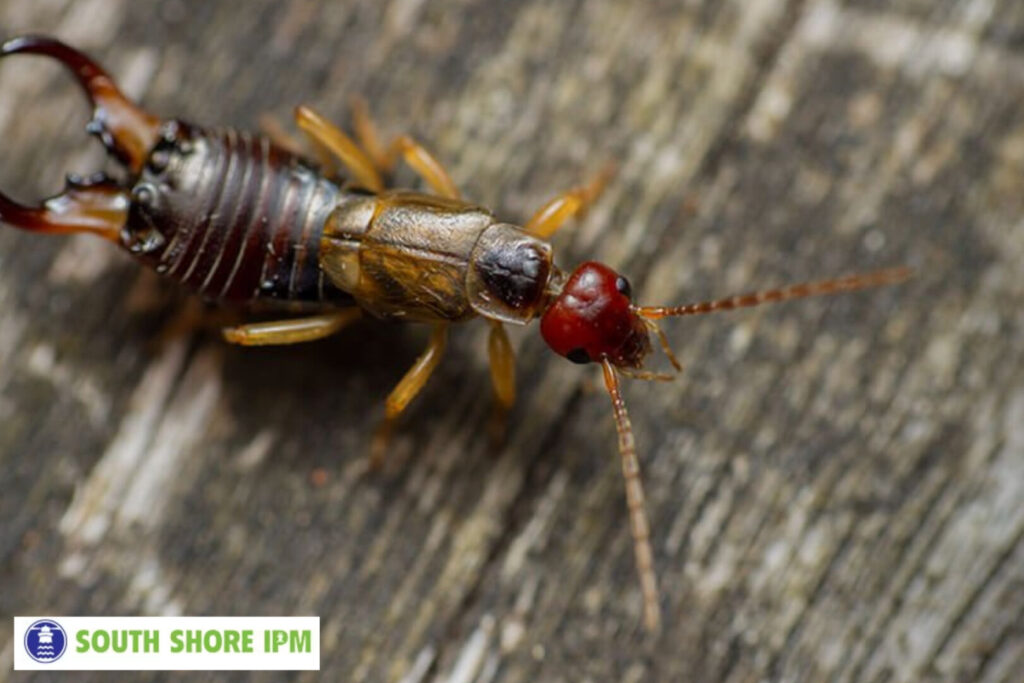
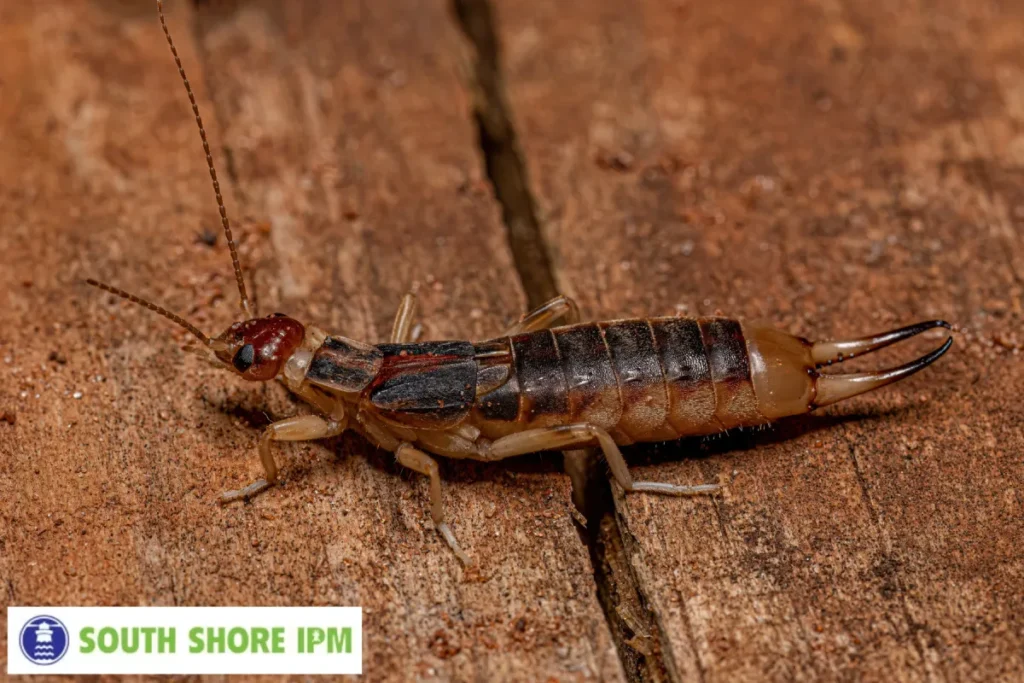
Adult earwigs are often found in damp, dark places. They may hide beneath rocks, mulch, flowerpots, garden debris, and other objects during the day before becoming more active at night.
Because adults move around, homeowners and Duxbury pest control professionals can often identify areas where they gather. Treatments applied to suitable locations may help reduce exposed earwig activity.
However, seeing fewer adult earwigs does not automatically mean the entire population has been eliminated. Eggs and younger insects may remain in protected areas.
Why Earwig Eggs Can Survive Certain Treatments
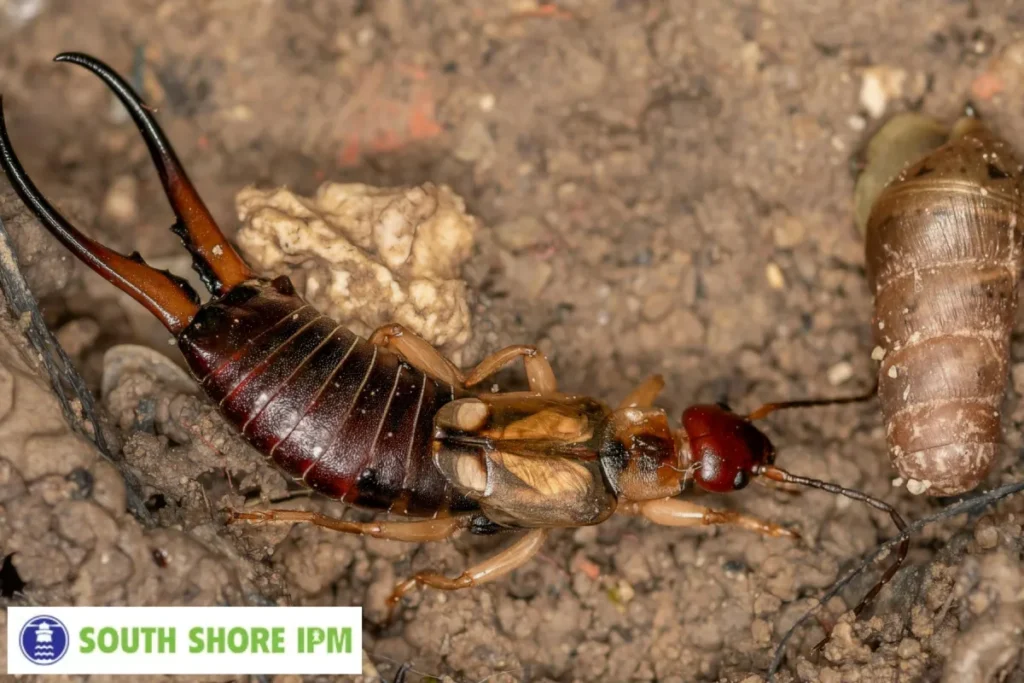
Female earwigs lay their eggs in small, sheltered chambers, commonly in soil. These nesting areas help protect the eggs while they develop.
A treatment applied to an exposed surface may not reach eggs beneath the soil or inside a protected nesting space. The product may affect adult insects that come into contact with it without having the same effect on hidden eggs.
This is why treatment results depend on the product, application method, and location of the infestation. A professional should assess the situation rather than assume that one application will eliminate every life stage.
Adult Earwigs vs. Earwig Eggs: What’s the Difference?
| Comparison Factor | Adult Earwigs | Earwig Eggs |
| Visibility | May be seen moving around damp areas | Usually hidden in protected nesting chambers |
| Location | Gardens, mulch, debris, and sheltered spaces | Commonly found in soil nests |
| Movement | Mobile and actively searching for food or shelter | Stationary during development |
| Treatment exposure | May come into contact with suitable applications | May remain protected from surface applications |
| Monitoring | Look for continued adult activity | Watch for newly hatched nymphs |
Where Do Earwigs Lay Their Eggs?
Finding possible nesting locations is an important part of managing recurring earwig activity. These insects prefer protected areas that provide shelter and suitable moisture conditions.
Common Earwig Egg-Laying Locations
Earwigs may establish nests in areas such as:
- Moist soil: Females commonly lay eggs in small chambers beneath the soil surface.
- Mulch and compost: These materials can hold moisture and provide shelter.
- Beneath rocks and logs: Objects resting on the ground create dark, protected spaces.
- Garden beds: Damp soil and organic material can provide suitable nesting conditions.
- Areas near foundations: Moist soil and outdoor debris can attract earwigs close to buildings.
Homeowners looking for pest control in Duxbury, MA should pay attention to these outdoor conditions, particularly around garden beds, landscaping, and damp areas near the foundation. Finding where earwigs gather can help narrow down where an inspection should focus.
Why Moisture and Shelter Matter
Earwigs are attracted to damp, sheltered environments. Moisture helps create favorable conditions for their activity, while rocks, leaves, mulch, and other materials provide places to hide.
Excessive moisture around a property can make certain areas more appealing to these insects. Poor drainage, overwatering, and piles of damp debris may contribute to the problem.
Reducing these conditions can help make the property less attractive to earwigs. However, moisture management alone will not remove eggs already present in an established nest.
Signs That Earwigs May Be Reproducing Near Your Property
The following signs may suggest that earwigs are active around possible nesting areas:
- Repeated sightings in the same location: Earwigs regularly appear beneath rocks, mulch, or outdoor objects.
- Small earwigs alongside adults: Newly hatched or developing insects may appear near areas where larger earwigs gather.
- Activity around damp soil: Earwigs repeatedly appear in garden beds or other moist outdoor spaces.
- Insects beneath debris: Earwigs are found under leaves, logs, flowerpots, or similar materials.
- Recurring activity near the foundation: Earwigs continue appearing around the same exterior areas.
These signs do not confirm that eggs are present. They can, however, help identify locations that may need a closer inspection.
What Happens When Earwig Eggs Hatch After Treatment?
Earwig activity can continue after an initial treatment if some eggs remain protected in their nesting areas. Once those eggs hatch, young earwigs called nymphs may become visible around the property.
Understanding the Earwig Life Cycle
Earwigs develop through three main stages:
- Egg: The female deposits eggs in a protected nesting chamber, commonly in soil.
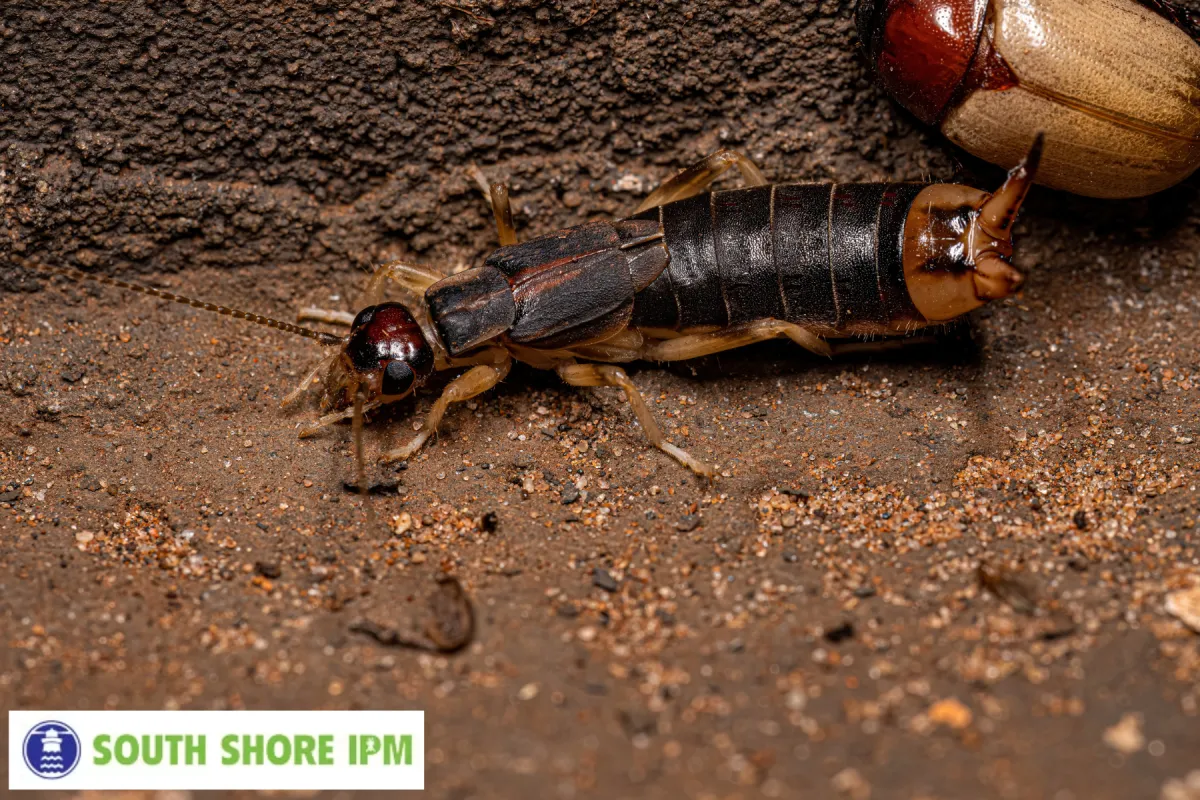
- Nymph: Young earwigs hatch from the eggs and gradually develop through several molts.
- Adult: After completing their development, earwigs become adults and can reproduce.
Unlike insects that go through a complete transformation with a pupal stage, earwigs develop gradually. Their young generally resemble smaller versions of adult earwigs.
This life cycle helps explain why new activity may appear after treatment. If eggs survive, newly hatched nymphs can emerge even when the number of adult insects has decreased.
Why Newly Hatched Earwigs May Appear After Treatment
There are several reasons earwigs may still appear after a property has been treated:
- Eggs were protected in soil or another sheltered nesting area.
- The original application targeted exposed insects rather than eggs.
- Some nesting locations were not identified during the initial inspection.
- Nearby outdoor conditions continue to support earwig activity.
- Earwigs from surrounding areas may move onto the property.
If you notice smaller earwigs after treatment, it does not automatically mean the application was unsuccessful. It may mean that another life stage or nearby source of activity needs attention.
What to Expect After an Earwig Treatment
The following steps explain how treatment and monitoring may work together:
- Initial inspection and treatment: A professional identifies visible activity and suitable treatment areas. The application is selected according to the property conditions and product directions.
- Post-treatment observation: Previously affected areas are monitored for continued activity.
- Possible egg hatching: If protected eggs remain, newly hatched nymphs may appear.
- Follow-up assessment: Continued activity is evaluated to determine whether additional action is appropriate.
- Prevention: Moisture, debris, and other favorable conditions are addressed to help reduce future activity.
The timing and results vary depending on the infestation, nesting locations, and treatment method. There is no single timeline that applies to every property.
Which Treatment Methods Can Help Manage Earwig Eggs and Adult Insects?
Different methods serve different purposes. Some are intended to affect exposed insects, while others focus on reducing the conditions that allow earwigs to remain active around a property.
Contact Treatments
Contact treatments are designed to affect insects that come into direct contact with the product. They may help reduce exposed adult earwigs in suitable treatment areas.
Their main limitation is reach. If eggs are hidden beneath soil or inside protected nesting chambers, a surface application may not affect them.
Targeted Treatment Applications Around Nesting Areas
Identifying likely nesting locations can help professionals choose where treatment applications may be appropriate. These areas may include damp soil, spaces beneath landscaping materials, and other sheltered locations.
However, treating around a nesting site does not automatically mean the eggs inside have been eliminated. The product label, application method, and exposure conditions determine what the treatment can address.
Moisture and Habitat Management
Habitat management helps reduce the conditions that attract earwigs. Homeowners can take practical steps such as:
- Fixing drainage problems around the property.
- Avoiding excessive watering near foundations.
- Removing unnecessary piles of leaves and damp debris.
- Keeping mulch at a manageable depth.
- Moving firewood and other stored materials away from the home.
- Reducing unnecessary moisture around outdoor structures.
These steps do not directly kill eggs, but they can make the surrounding environment less suitable for earwig activity.
Comparing Earwig Treatment Methods
| Treatment Approach | Main Purpose | Effect on Adult Earwigs | Effect on Eggs |
| Contact treatment | Affect exposed insects | May reduce exposed adults | May have limited effect on protected eggs |
| Targeted treatment application | Address activity in identified areas | Depends on product and placement | Depends on exposure and product labeling |
| Habitat management | Reduce favorable conditions | Makes the area less attractive | Does not directly eliminate eggs |
| Monitoring and follow-up | Identify continuing activity | Helps detect remaining adults | Helps identify newly hatched nymphs |
How Do Pest Control Professionals Determine Whether Earwig Eggs Were Affected?
A professional inspection helps determine where earwigs are active and whether the original treatment addressed the areas contributing to the problem.
Step 1: Inspect Likely Nesting Areas
Technicians can check damp soil, mulch, garden beds, and areas beneath outdoor debris. The goal is to identify locations where earwigs may be hiding or laying eggs.
Step 2: Assess the Level of Earwig Activity
The inspection may include looking for adult earwigs, smaller nymphs, and recurring activity in previously affected areas. These observations help determine whether the problem is ongoing.
Step 3: Review the Treatment Method
The product and application method should be reviewed to understand which insects and locations were targeted. A treatment intended for exposed adults should not automatically be considered effective against hidden eggs.
Step 4: Recommend Follow-Up When Necessary
If activity continues, a professional can assess whether additional treatment or monitoring is appropriate. Recommendations should reflect the inspection findings, product directions, and conditions around the property.
For properties needing pest control in Duxbury, this type of assessment can help distinguish between surviving adults, newly hatched nymphs, and earwigs entering from nearby outdoor areas.
Common Earwig Treatment Myth: If Adult Earwigs Disappear, the Eggs Are Gone Too
Myth: If a treatment eliminates the adult earwigs you can see, it has also eliminated every egg on the property.
Fact: Adult earwigs and eggs may respond differently to treatment. Eggs hidden in protected nesting areas may survive applications that affect exposed insects.
This is one reason monitoring matters after treatment. A reduction in adult activity is a useful sign, but it does not confirm that every nesting area has been addressed.
A more complete approach considers:
- The location of possible nesting sites.
- The treatment product and its intended use.
- Whether eggs were exposed to the application.
- Signs of newly hatched nymphs.
- Moisture and shelter conditions around the property.
Understanding these factors helps homeowners set realistic expectations and avoid assuming that one treatment will always address every stage of an earwig infestation.
Understanding Earwig Treatment Features and Important Terms
These definitions can help homeowners better understand treatment recommendations and inspection findings.
- Earwig eggs: Eggs deposited by female earwigs in protected nesting chambers, commonly in soil.
- Nymphs: Young earwigs that hatch from eggs and gradually develop into adults through several molts.
- Contact treatment: A treatment designed to affect insects that come into direct contact with the product.
- Nesting site: A sheltered location where earwigs lay eggs and protect their young.
- Residual treatment: A product application intended to remain effective on a treated surface for a period specified by its label.
- Habitat modification: Changes to outdoor conditions, such as reducing excess moisture and debris, to make an area less attractive to pests.
- Follow-up inspection: A later assessment used to check whether pest activity continues and whether additional action is needed.
- Integrated Pest Management (IPM): A pest management approach that combines inspection, monitoring, prevention, and appropriate treatment methods.
Applying Our Integrated Pest Management Standards and Organic Pest Control Solutions to Solve This
At South Shore IPM, we believe effective pest management starts with understanding the property and the conditions attracting pests. Our approach combines integrated pest management standards, organic pest control solutions, and more than 50 years of combined experience to help homeowners and businesses manage pest concerns responsibly.
Identifying Earwig Activity and Possible Egg-Laying Areas
The first step is understanding where earwigs are gathering and what may be supporting their activity. Our inspection process considers damp soil, mulch, outdoor debris, and sheltered spaces around the property.
Rather than focusing only on visible adult insects, we consider the conditions that may allow earwigs to remain active or reproduce nearby. This helps guide recommendations based on the actual property conditions.
Choosing Environmentally Responsible Treatment Options
Every property has different needs. Our team considers the pest activity, treatment location, and surrounding environment when choosing suitable control methods.
Our organic pest control solutions and eco-conscious methods reflect our commitment to reducing unnecessary product use within living spaces. Treatment recommendations are selected with care, and applications are made according to product directions and the needs of the property.
Using Integrated Pest Management for Long-Term Prevention
Integrated Pest Management is not simply about applying a product and waiting for results. It combines inspection, monitoring, prevention, and appropriate treatment to address the factors contributing to pest activity.
For earwigs, this can include identifying damp areas, reducing outdoor hiding places, and recommending suitable treatment applications. Monitoring also helps determine whether activity continues after the initial service.
Bringing More Than 50 Years of Combined Experience to Every Property
With over 50 years of combined experience, South Shore IPM brings practical knowledge and a customer-focused approach to pest management. We understand that recurring pest activity can be frustrating, so we take time to assess the situation and explain our recommendations.
Our safe, efficient methods are designed around the needs of each property. We also prioritize personalized service, clear communication, and environmentally responsible decisions.
Whether you are dealing with earwigs or another pest concern, our goal is to help you understand your options and feel confident about the next steps.
People Also Ask About Earwig Eggs and Treatments
Do pest control treatments kill earwig eggs?
Not all treatments eliminate earwig eggs. Some products target exposed adult insects, while eggs protected in soil or sheltered nesting areas may remain unaffected.
Can earwig eggs hatch after pest control treatment?
Yes. If eggs survive a treatment application, they may hatch afterward and produce newly visible nymphs.
How can I tell if earwig eggs have hatched?
You may notice small earwigs appearing in areas where adult earwigs were previously active. However, sightings alone do not confirm where the eggs were deposited.
Do I need another treatment if earwigs appear after pest control?
Not always. Continued activity should be assessed to determine whether it involves newly hatched nymphs, surviving adults, or earwigs entering from nearby areas. Follow the product label and your pest control provider’s recommendations.
Where should I look for earwig eggs?
Check moist, protected outdoor locations such as soil beneath rocks, mulch, compost, and garden debris. Earwig eggs are usually hidden rather than exposed on open surfaces.
Does removing mulch and garden debris help prevent earwigs?
Reducing excess mulch, damp debris, and sheltered hiding places can make outdoor areas less attractive to earwigs. These steps support prevention but do not directly eliminate eggs already present.
Get Professional Help With Recurring Earwig Activity
Seeing earwigs after treatment does not always mean the entire application failed. Eggs may remain protected in nesting areas, or insects may continue entering from nearby outdoor spaces. Understanding the source of activity is the first step toward choosing the right response.
South Shore IPM provides personalized pest management solutions that balance effective control with environmental responsibility. Our experienced team uses integrated pest management practices and carefully selected treatment methods to help protect homes and businesses.
If you are dealing with recurring earwig activity, contact South Shore IPM to schedule a consultation or request a free quote. Call us today to discuss your pest concerns and learn about available service options.