How Do Bats Squeeze Through Roof Gaps Without Leaving Obvious Damage
Bats can enter homes through small gaps around roof edges, vents, and loose building materials without leaving obvious damage. They use existing openings rather than chewing through the roof, and their echolocation helps them navigate around buildings at night. Because these gaps can be difficult to spot, homeowners may hear bats in the attic before they find the entry point.
How Can Bats Fit Through Small Roof Gaps?
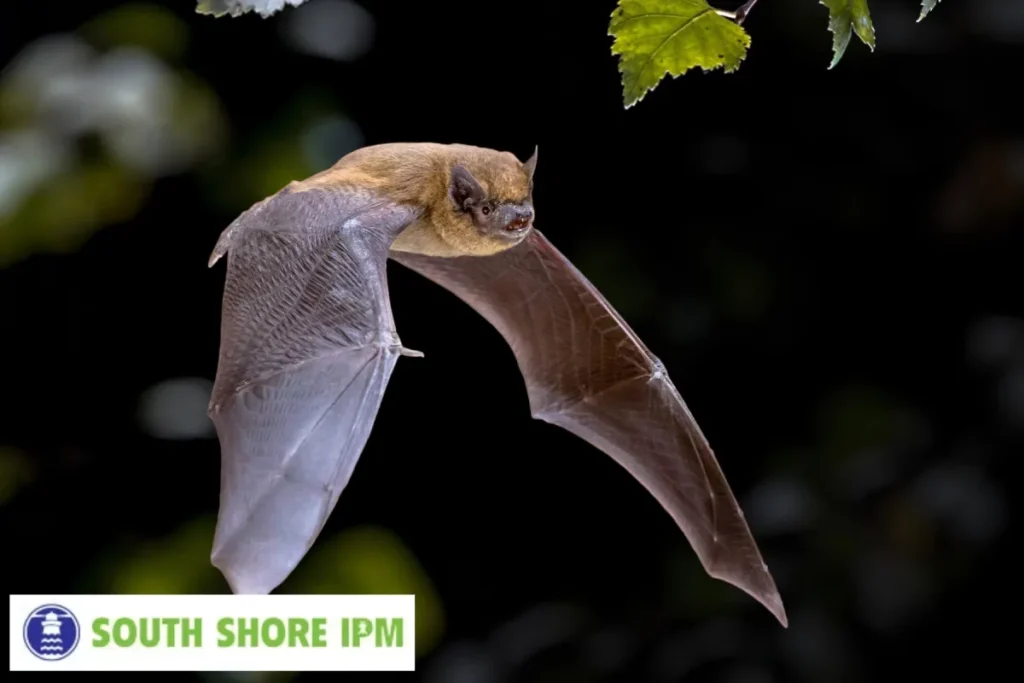
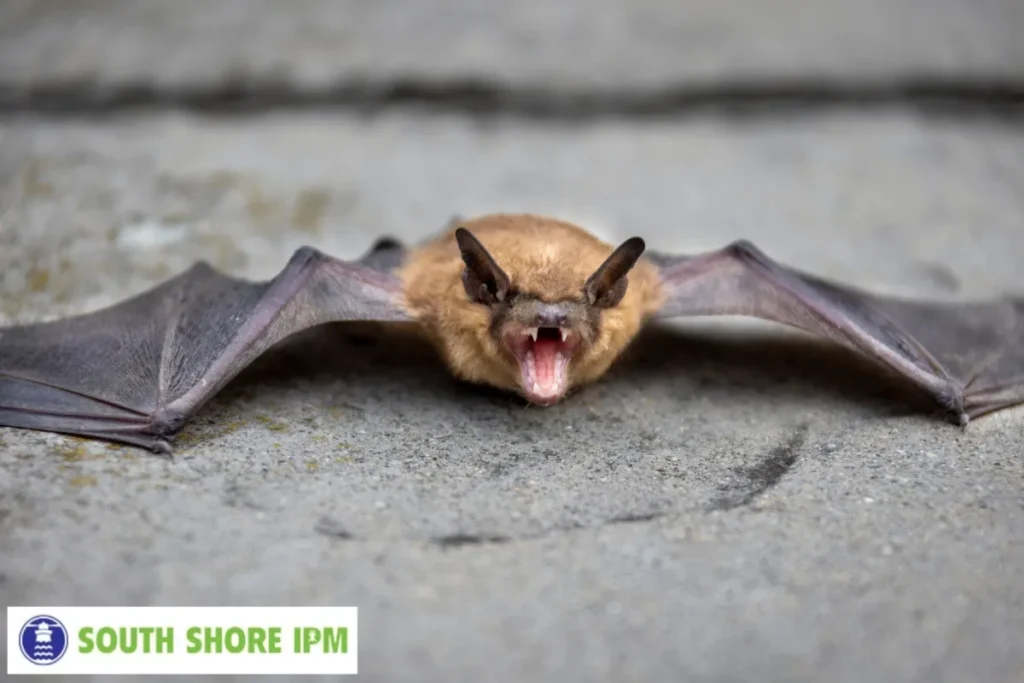
Bats have flexible bodies and wings that fold close to their bodies when they are not flying. Depending on the species and size of the bat, a narrow opening may be enough to provide access to an attic or roof space.
Unlike rodents, bats generally do not need to chew through roofing materials to get inside. They often take advantage of gaps that already exist between building materials.
Why Do Bats Use Existing Openings?
Roof edges, vents, soffits, and joints between exterior materials can develop small gaps over time. If an opening leads to a sheltered space, a bat may use it to enter a roof cavity or attic.
The gap does not need to look like a large hole. A small separation beneath a roof edge or around a vent may be difficult to see from the ground while still providing access for a bat.
However, not every crack is large enough for a bat to pass through. The opening must be suitable for the species and the individual bat.
How Does Echolocation Help Bats Navigate?
Bats use echolocation to navigate in low light and locate insects. They make high-frequency calls and listen for the echoes that bounce back from nearby objects. These echoes help them judge their surroundings while flying at night.
Echolocation also helps bats avoid obstacles. It does not mean they can detect every hidden roof gap from a distance, but their ability to navigate around buildings allows them to move through the surrounding area without relying on daylight.
Where Do Bats Commonly Enter a Roof?
Bats can enter through gaps where building materials meet or where an exterior component has become loose or damaged. These areas may look normal from below, making a possible entry point easy to overlook.
Common areas to inspect include:
- Roof edges and eaves: Gaps beneath roof edges may lead into sheltered roof spaces.
- Soffits and fascia boards: Loose panels or separated joints can create openings.
- Roof vents: Damaged or missing screens may allow bats to enter.
- Flashing and roof intersections: Gaps where roofing materials meet can provide access to spaces beneath the roof.
- Openings around pipes and cables: Poorly fitted seals may leave gaps in the exterior.
A roof does not need to have broken shingles or a large hole for bats to get inside. In some cases, the entry point is a small gap that blends into the building’s existing seams.
Homeowners looking for pest control in Marshfield should pay attention to repeated bat activity around the same roof section. A professional inspection can help determine whether a gap connects to an attic or another sheltered area.
Why Can Bats Enter Without Leaving Obvious Damage?
Bats usually take advantage of existing openings rather than creating new ones. This is why a homeowner may hear movement in the attic without finding a clear hole in the roof.
Small Gaps Can Blend Into the Roofline
Exterior building materials meet at many points, including roof edges, trim, vents, and flashing. Over time, weathering, loose fittings, and previous repairs may leave small openings.
These gaps can be difficult to see from the ground, especially when they sit beneath an overhang or behind exterior trim. A roof may appear intact even when a small opening provides access to a sheltered space.
Bats May Enter and Leave After Dark
Bats are nocturnal, so their activity often happens when homeowners are less likely to notice it. They may leave their roost to search for insects and return later through the same opening.
Watching the roofline from a safe distance around dusk may help reveal repeated activity. However, seeing bats flying near a house does not prove they are living inside it.
What Signs May Indicate Bat Activity?
Look for several possible signs rather than relying on one clue.
- Unusual sounds: Scratching or squeaking from ceilings and attic spaces may indicate animal activity.
- Droppings: Bat guano may accumulate near roosting areas or entry points.
- Staining: Droppings and urine can leave marks around areas where bats regularly gather.
- Repeated sightings: Bats entering or leaving the same part of the roof may indicate a possible access point.
- Strong odors: Accumulated waste may produce an unpleasant smell.
These signs are not conclusive on their own. Other animals can make noises in walls or attics, and stains may have other causes. An inspection can help identify the source.
How Do Professionals Find Hidden Bat Entry Points?
Finding a bat entry point involves more than looking for visible roof damage. A professional assesses the exterior, looks for signs of animal activity, and determines which openings may connect to the affected space.
1. Inspect the Exterior
The inspection may include roof edges, soffits, fascia boards, vents, flashing, and openings around pipes or cables. The goal is to identify possible access points and determine whether they connect to an attic or roof cavity.
Not every gap is an active entry point. The building’s layout and other signs of activity must be considered before deciding what needs to be addressed.
2. Observe Bat Activity
Repeated movement around one section of the roof can help narrow down the likely entry location. Observations around dusk may provide useful clues about where bats are entering and leaving.
Homeowners should not approach the opening, handle bats, or block the gap while animals may still be inside.
3. Check Accessible Interior Areas
Where it is safe and appropriate, an inspection may include accessible attic spaces. Droppings, staining, and other evidence can help determine whether bats may be present.
Bat droppings should not be swept or handled without suitable precautions. Large accumulations should be assessed by professionals who understand the risks involved.
4. Plan the Exclusion Process
Once the likely entry points are identified, the next step is to determine how bats can leave without returning through the same openings. This process is called bat exclusion.
The plan must account for other possible entry points and the presence of young bats that may not yet be able to fly. Sealing an active opening too early can trap bats inside the building.
What Is a Bat Excluder, and How Does It Work?
A bat excluder is a one-way device fitted over a confirmed entry point. It allows bats to leave the building but prevents them from returning through that same opening.
South Shore IPM describes using a funnel-shaped “door” that lets bats exit the space where they are living while preventing them from getting back inside. Once the bats have left, the excluder can be removed and the opening sealed.
How the Funnel-Shaped Door Works
- Identify the entry point. The technician determines where bats are entering and leaving.
- Install the excluder. The device is fitted over the appropriate opening so bats can move outward.
- Allow bats to exit. Bats leave to search for food but cannot return through the same opening.
- Confirm the space is clear. The situation is assessed before permanent repairs are made.
- Seal the opening. Once the bats have left and the timing is appropriate, the excluder can be removed and the gap closed.
The timing of exclusion matters. Depending on the season and the presence of dependent young, a different plan may be necessary. Homeowners should also check applicable wildlife rules before attempting to remove bats.
Myth vs. Fact: Bats Must Damage a Roof to Get Inside
Myth: If bats are living in an attic, the roof must have a broken shingle or a large hole.
Fact: Bats can use existing gaps around roof edges, vents, and exterior joints without creating visible damage. A small opening may be difficult to notice from the ground while still allowing access to a sheltered space.
Waiting for obvious damage can delay the discovery of the actual entry point. Repeated bat sightings, unusual attic sounds, or droppings near the roofline are reasons to investigate further.
The right approach is to identify the likely entry point and plan exclusion before sealing openings. Closing a gap too early can trap bats inside or leave other access points unresolved.
Applying South Shore IPM’s Bat Exclusion Approach
South Shore IPM focuses on practical pest management and helping customers understand the options available for their properties. Its bat control information describes an exclusion process that allows bats to leave before the entry point is permanently sealed.
Hunt Using Echolocation: Understand Bat Activity
Bats use echolocation to navigate in the dark and locate insects. Understanding this behavior helps explain why they may fly around a home at night without being noticed entering the roof.
Observing repeated activity can help guide an inspection, but it does not identify every entry point. The building must still be checked for gaps and signs that connect the suspected opening to the affected space.
Install an Excluder: Let Bats Leave
South Shore IPM describes installing an excluder to prevent bats from returning through an opening after they leave. The device provides a way to address access without simply blocking a gap that may still be in use.
Correct placement and timing are important. The technician needs to consider the opening, other possible access points, and whether young bats may be present before completing the exclusion process.
Use a Funnel-Shaped “Door”: Prevent Reentry
The funnel-shaped device works as a one-way exit. Bats can leave the building, but the device prevents them from using the same opening to get back inside.
Once the bats have left, South Shore IPM can remove the excluder and seal the opening. This final step helps close the access point that allowed the bats to enter.
For homeowners seeking Marshfield pest control, understanding the process can make it easier to know what to expect from a professional assessment. The goal is to address the entry point without rushing to seal an opening while bats may still be inside.
How Can Homeowners Help Prevent Bats From Returning?
After bats have been safely excluded, repairing suitable entry points can help reduce the chance of future access. The work should close gaps while preserving the ventilation the building needs.
Use this checklist to help maintain the roofline:
- Check exterior joints. Look for loose soffit panels, separated trim, and gaps around roof edges.
- Maintain vent screens. Repair damaged or missing screens with suitable materials.
- Inspect roof repairs. Check that flashing and other components fit properly after work is completed.
- Investigate repeated sightings. If bats keep appearing near the same area, arrange an assessment rather than guessing where they enter.
- Confirm exclusion is complete. Do not permanently seal a suspected active opening until the situation has been assessed.
For homeowners seeking pest control in Marshfield, MA, a professional assessment can help determine whether the problem calls for an exclusion plan, exterior repairs, or both.
People Also Ask: Bats Entering Roof Gaps
How small of a gap can a bat fit through?
The size of the opening depends on the bat’s species and body size. Some bats can use narrow gaps, but they cannot pass through every tiny crack. A suspected entry point should be assessed based on its size and connection to the building.
Can bats enter an attic without damaging the roof?
Yes. Bats can use existing gaps beneath roof edges, around vents, or where building materials meet. They generally do not need to chew through roofing materials or create a large visible hole.
How do I know if bats are living in my roof?
Possible signs include repeated bat sightings near the roofline, droppings around openings, staining, or unusual sounds in the attic. These signs can have other causes, so an inspection may be needed to confirm bat activity.
Should I seal a roof gap if I suspect bats are using it?
No. Do not seal a suspected active entry point before the situation has been assessed. Blocking the opening too early can trap bats inside. A planned exclusion process should come before permanent repairs.
What does a bat excluder do?
A bat excluder is a one-way device that allows bats to leave a building but prevents them from returning through the same opening. It must be fitted at an appropriate entry point and used at the right time.
Will bats leave an attic on their own?
Bats may leave to feed and return to roost, but their activity can vary. Seeing no bats for a short time does not prove the building is empty. Proper assessment and exclusion help determine when it is appropriate to close the entry points.
Get Help With Hidden Bat Entry Points
Bats can enter through small roof gaps without leaving obvious damage. Finding the opening and planning the right exclusion process are important steps toward keeping them out of your attic.
South Shore IPM provides bat control services and explains how an excluder can let bats leave before an entry point is sealed. If you suspect bats are living in your roof, avoid handling them or closing openings before the situation has been assessed.
Call us today to discuss your concerns and request a quote. The team can help you understand the next steps for addressing suspected bat activity and protecting your home.