What Sowbugs Reveal About Home Moisture
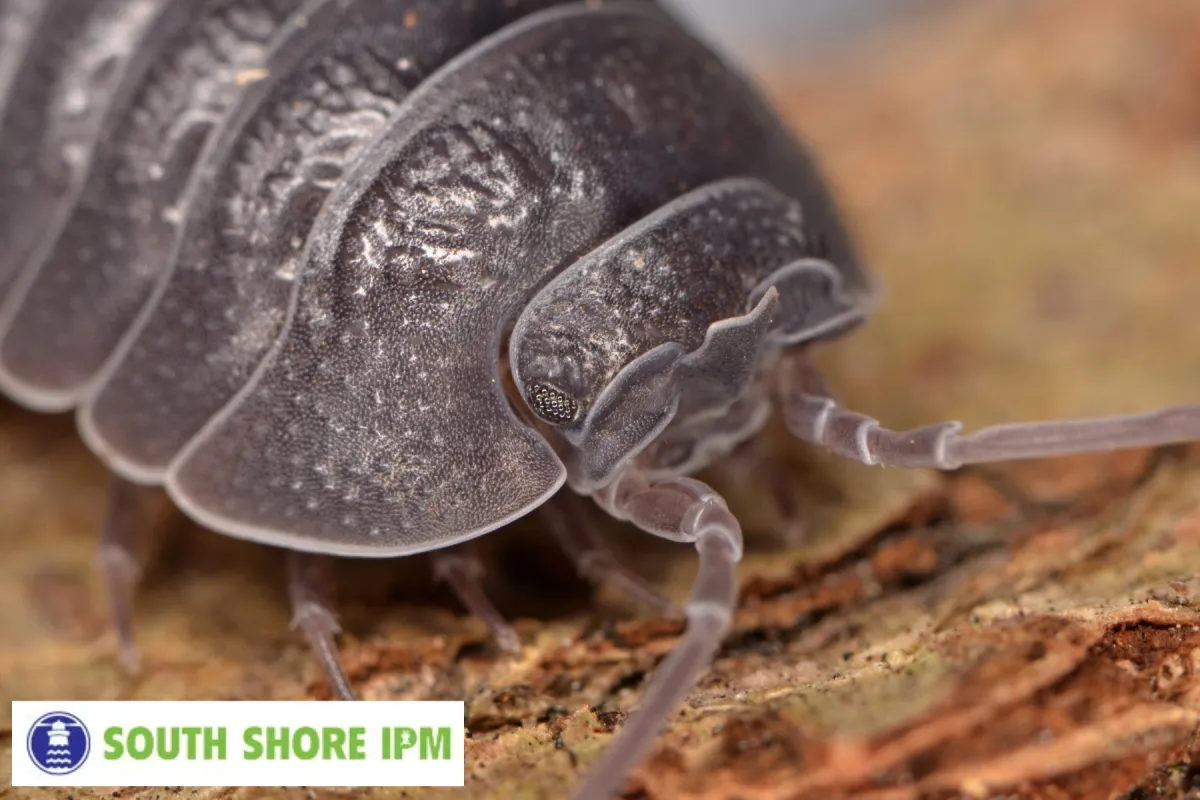
Sowbugs inside a home explicitly reveal that an underlying, high-humidity environment or localized structural moisture issue exists. Because sowbugs are actually land crustaceans that breathe through gills, they cannot survive in dry air. Finding them indoors indicates hidden water leaks, crawlspace humidity, or poor foundation drainage.
Discovering small, slate-grey, oval-shaped bugs scuttling across your basement floor or curled up near your patio door thresholds is a clear indicator of environmental changes around your foundation. While these creatures are frequently grouped together with common household insects, they are actually unique land-dwelling crustaceans. Because of their ancient marine ancestry, their survival depends entirely on their surroundings remaining dark, damp, and highly humid. When you begin noticing these pests inside your living spaces, it serves as a reliable biological warning system, and understanding what sowbugs reveal about home moisture can help you address the root cause before structural damage occurs.
Many property owners try to address this problem by purchasing generic over-the-counter treatment options or continuously sweeping up the dead carcasses they find near their baseboards. However, treating the insects directly without fixing the environmental conditions that attracted them is a temporary fix. If your home’s lower levels or foundation perimeters are holding onto water, new colonies will continuously migrate toward your structure. For families seeking reliable pest control in Marshfield, achieving long-term protection requires shifting the focus away from reactive treatments and moving toward comprehensive moisture identification and structural exclusion.
Structural Humidity vs. Dry Zones: A Comparative Breakdown
Because these land crustaceans cannot hold water within their bodies the way true insects do, they are exceptionally prone to rapid dehydration. If they wander into a room with dry, climate-controlled air, they will lose their internal body fluids through their shells and suffocate within a matter of hours. Therefore, their ongoing presence inside specific zones of your house provides immediate diagnostic information about the local relative humidity and structural integrity of those areas.
Moisture Tracking Matrix
The table below contrasts what the presence of these crustaceans reveals about different zones of your home and outlines the corresponding structural targets that require maintenance.
| Home Inspection Zone | Moisture Level Indicator | Sowbug Presence Risk | Corrective Structural Target |
| Basements & Crawlspaces | High relative humidity (above 60%) with stagnant air | High; creates an ideal habitat for large breeding colonies | Install heavy-duty vapor barriers and active dehumidification |
| Kitchen & Bathroom Cabinets | Localized condensation or active plumbing pipe leaks | Medium; points directly to hidden water damage under sinks | Repair pipe joints, seal cabinet backings, and dry out wood |
| Concrete Slab & Thresholds | Exterior ground saturation seeping through slab cracks | Medium; marks unsealed entry routes near doors and patios | Apply elastomeric caulk to concrete expansion joints |
| Living Rooms & Bedrooms | Low humidity; dry climate-controlled airflow | Exceptionally low; individual bugs die and dehydrate within hours | Maintain a dry atmosphere; seal baseboard micro-gaps |
By analyzing where these pests gather, you can create an accurate structural map of your home’s hidden damp zones. For example, if you consistently find them beneath your kitchen sink cabinet but nowhere else in the house, you can bypass foundation checks and focus directly on repairing slow pipe condensation or a hairline leak in your disposal drain. Conversely, seeing them scatter across an entire unfinished basement floor indicates a systemic problem with the surrounding soil retaining water against your subterranean foundation walls.
The Step Home Moisture Audit Triggered by Sowbugs
When these multi-legged creatures begin making regular appearances inside your home, it should prompt an immediate inspection of your property’s exterior and drainage systems. Taking a proactive approach allows you to identify minor water issues before they evolve into costly structural rot or mold outbreaks. Implementing regular property upkeep is the single most effective way to manage a wide variety of soil-dwelling pests. Securing professional Marshfield pest control assistance can provide additional diagnostic support, but you can begin your own structural evaluation by following this simple, four-step checklist:
- Locate the Migration Epicenter: Note the exact rooms and corners where the bugs are most frequently discovered to pinpoint the closest exterior wall, crawlspace access hatch, or low-lying threshold gap they are using as an entryway.
- Inspect Exterior Foundation Grading: Walk the outside perimeter of your house after a heavy rainstorm to identify low spots where the ground soil slopes inward toward the building, which causes water to pool directly against your concrete foundation blocks.
- Audit the Gutter and Downspout Extensions: Check your roof drainage lines to verify that all downspout assemblies drop water at least five feet away from the main home structure rather than saturating nearby landscaping beds or flower boxes.
- Test Subterranean Relative Humidity: Place a digital hygrometer on the floor of your basement or crawlspace; any reading that sits consistently above 50% relative humidity creates a welcoming environment that allows invading colonies to survive and reproduce inside your walls.
Debunking the “Sowbugs Eat and Destroy Home Drywall” Myth
A very common industry misconception that frightens many property owners is that a mass indoor migration of these crustaceans will result in physical damage to your home’s drywall, framing timbers, or support beams. Because their presence is often associated with damp, rotting wood, people assume they are actively chewing through structural materials much like termites or carpenter ants. This is completely false and misinterprets their role in the local ecosystem.
These creatures do not possess wood-boring jaws; they do not bite humans or domestic pets, and they carry absolutely zero structural or medical threats to your household. They are entirely harmless decomposers whose natural diet consists exclusively of fallen leaves, grass clippings, and decaying vegetable matter found in your yard. When they enter your home, they are simply trying to escape extreme outdoor weather conditions, such as a waterlogged lawn after a heavy downpour or intense summer heat that dries out the topsoil. They are indicators of a wet environment, not the cause of physical destruction.
Property Specifications for Optimal Moisture Control
Crawlspace Humidity Threshold
Relative air humidity must be mechanically maintained below 50% using automated crawlspace dehumidifiers to prevent crustacean respiration and survival.
Foundation Slope Angle
The ground soil must slope downward away from the exterior foundation at a drop of at least 6 inches over the first 10 feet.
Landscaping Mulch Depth
Keep organic ground mulch layers under 2 inches deep and maintain a 12-inch clear “dry zone” of bare dirt or gravel against the building siding.
Exclusion Sealant Spec
High-performance, waterproof polyurethane sealant applied to all subterranean wall penetrations, plumbing drop-downs, and concrete cracks.
Applying our HydroShield Protocol to Solve This
When standard ventilation adjustments and basic cleaning routines are not quite enough to stop recurring invasions, our team at South Shore IPM steps in with an expert plan. We believe that property protection should always be personalized, highly effective, and environmentally responsible. If you are trying to interpret what sowbugs reveal about home moisture, our specialized method relies on our over 50 years of combined experience to resolve the issue at its root. Our system is built to cover your entire property and focus on eliminating habitats where these moisture-loving pests thrive.
First, our highly trained technicians will meticulously inspect the exterior of your home to identify active breeding colonies, drainage failures, and hidden entry pathways. We focus our efforts on eliminating good places where these creatures find shelter around your yard, such as deep leaf layers, decaying landscape timbers, and over-mulched flower beds. By creating a clean, dry buffer zone directly against your foundation, we cut off their primary food supply and force outdoor populations away from your structure.
Second, we focus heavily on durable structural protection, making sure all holes and cracks are sealed along your concrete expansion joints, low-level thresholds, and utility penetrations. Once these physical blockades are firmly in place, our team can implement additional extermination techniques along your exterior boundaries to manage heavy infestations safely. This targeted barrier approach utilizes our high-end products and community-focused approach to ensure that your home, family, and pets stay completely secure without introducing harsh elements inside your living quarters. We stand firmly behind the quality of our workmanship with a comprehensive no-questions-asked policy, which means that if these pests return between your regularly scheduled seasonal visits, our team will come back to address the problem completely free of charge.
Navigating Local Coastal Climate Shifts
The unique geographic layout and coastal weather patterns of our region play a direct role in how pests behave throughout the changing seasons. When managing a home in Marshfield, properties regularly experience heavy ocean air, dense morning sea fog, and high seasonal water tables that keep the local soil saturated for extended periods. This persistent environmental dampness makes it much easier for large crustacean populations to build up around your yard.
During a recent comprehensive property audit for a homeowner in Marshfield, our technicians discovered that a thick layer of decorative rocks resting against a shaded brick foundation wall was holding onto rainwater for weeks at a time. This trapped water created a high-humidity micro-climate that allowed thousands of land crustaceans to breed right next to the home’s crawlspace vents. Without correcting that underlying drainage issue, standard pest control treatments would quickly lose effectiveness during heavy coastal storms.
If you are looking for an experienced exterminator, it is critical to work with a team that knows exactly how our local soil conditions respond to changing weather patterns. This specialized local knowledge ensures that your exterior barrier defenses are applied to the exact zones where water collects on your lawn. Investing in dependable pest control in Marshfield, MA allows you to stay ahead of these seasonal weather shifts, keeping your foundation dry and your family comfortable all year long.
People Also Ask
Q: Are sowbugs the same thing as pillbugs or roly-polies?
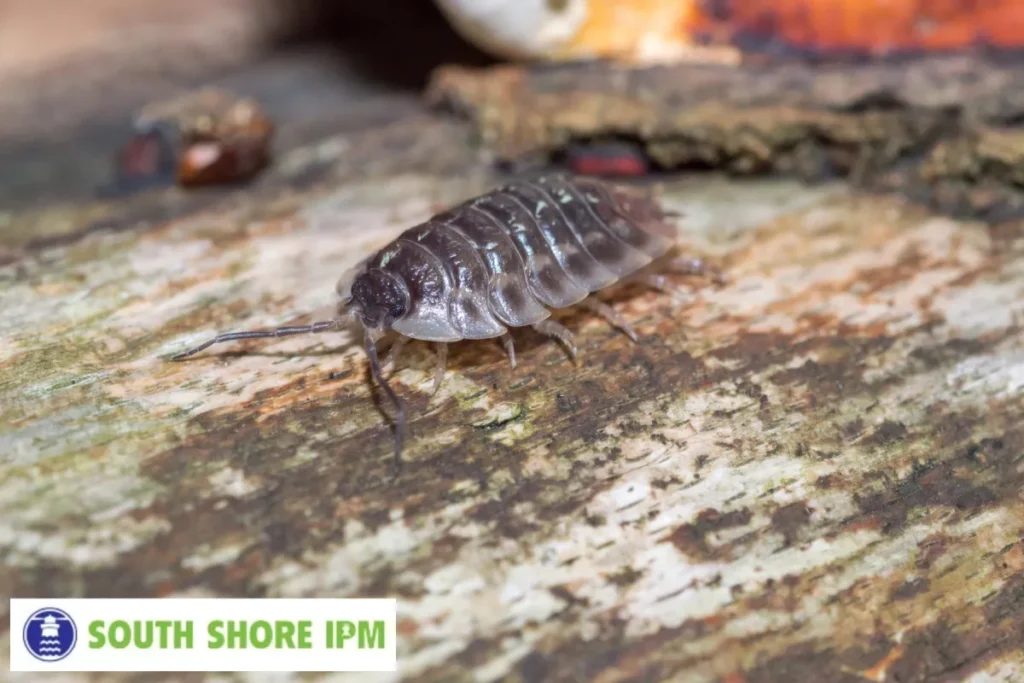
A: No, although they are very closely related land-dwelling crustaceans that share similar habits. The primary difference lies in their physical defenses; pillbugs have the unique ability to roll themselves into a tight, hard sphere (“roly-poly”) to protect their soft undersides when threatened. These pests possess two small, tail-like appendages called uropods on the rear of their bodies that physically prevent them from rolling into a ball, meaning they must run away or flatten themselves against a surface to escape danger.
Q: Why do these pests die so quickly after they cross my doorways?
A: Because they are land crustaceans that descended from marine ancestors, they do not possess a true insect respiratory system. Instead, they rely on a constant, microscopic layer of moisture draped over their specialized gill-like structures to breathe in oxygen. The dry, moving air generated by modern indoor air conditioning and heating systems dries out this delicate gill system rapidly, causing the pests to suffocate and die of dehydration within 24 to 48 hours of stepping inside.
Q: Does seeing these creatures inside mean I have a larger pest infestation?
A: Finding an individual straggler near a doorway after a heavy summer downpour is normal and simply means a bug wandered off its path. However, discovering them consistently inside your basement or ground-level rooms is a clear diagnostic signal that a massive breeding colony is living right against your exterior walls. It also indicates that your home has an unsealed gap or an active moisture problem that is keeping the indoor air humid enough for them to travel through.
Securing a Dry, Safe Living Space
You deserve to feel completely relaxed and confident when walking through your own house, without worrying about what might be hiding under your baseboards. At South Shore IPM, we are dedicated to being your trusted, eco-conscious partner, combining advanced pest knowledge with genuine care for our local neighbors. Our business decisions are guided by a commitment to environmental responsibility, customer satisfaction, and personalized service that fits your family’s exact needs.
Don’t spend another season dealing with recurring pest frustrations or ineffective treatments. Let our experienced professionals implement a custom defense barrier that gives you the long-term protection and peace of mind you deserve. We invite you to explore our popular Full Season Service or check out our targeted Mosquito Protection Packages to keep your entire yard comfortable. We are also proud to support local families by offering special discounts for military members, seniors, teachers, and first responders.
Ready to clear out hidden pests and protect your home for the upcoming season? Contact us today to request your free quote!