
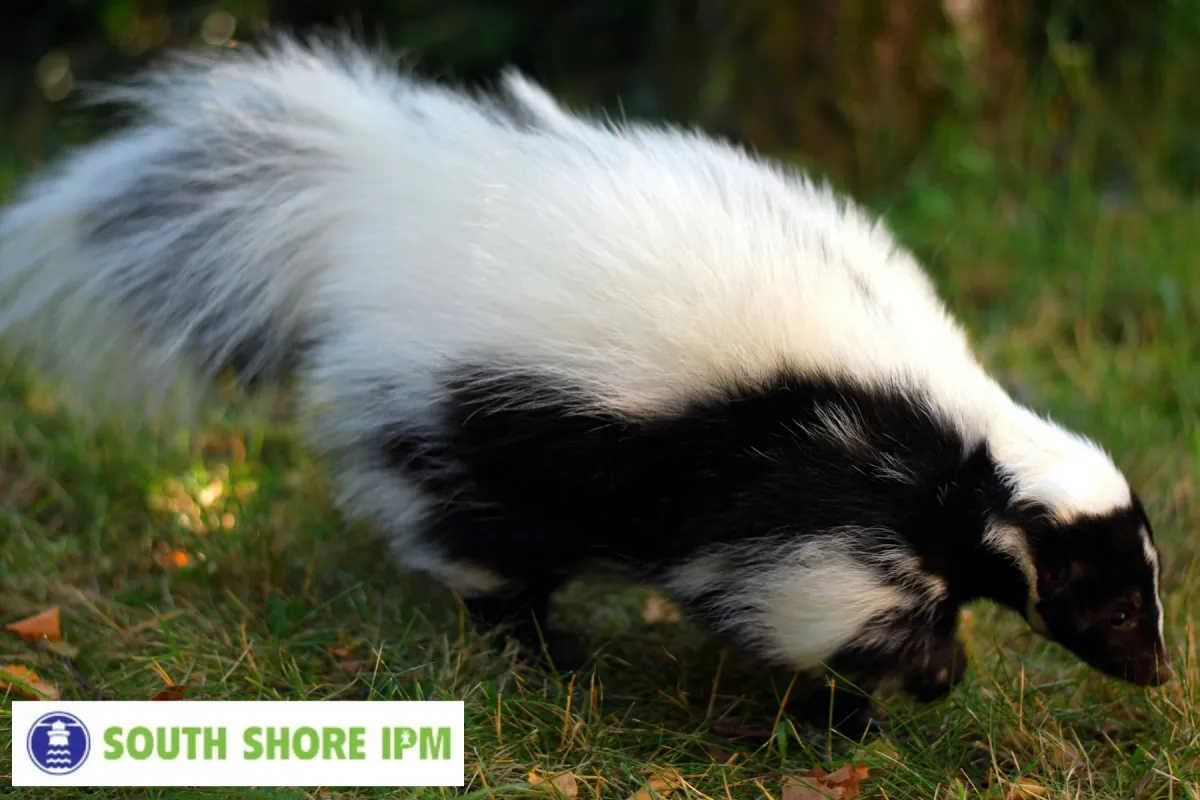
How to Keep Skunks Out From Under Your Deck
To keep skunks out from under your deck, install a buried wire mesh perimeter barrier using heavy-duty hardware cloth. Dig a trench 12 inches deep around the base of the deck, attach the mesh to the framework, bend the bottom into an L-shape extending outward, backfill the dirt, and install a one-way wildlife door to ensure no animals are trapped inside.
Realizing that a wild animal has taken up residence right beneath your back door can cause immediate anxiety for any property owner. When you step out onto your patio into the cool evening air, the last thing you want to encounter is a startled creature ready to defend its new home. Low-clearance structures like porches, sheds, and wooden platforms offer the perfect dark, weather-protected environment for wildlife looking to build a secure nest. If you are searching for practical tips on how to keep skunks out from under your deck, setting up a permanent barrier is the most reliable way to secure your perimeter.
Managing a wildlife issue beneath an attached structure requires a planned approach that prioritizes structural exclusion. If you try to simply block the entry hole with a few loose bricks or a wooden board, the animal will easily use its powerful digging claws to clear the path or create a new opening right next to the old one. To achieve a permanent fix, you need to understand the behavior of skunks, identify their entry points, and install a durable physical barrier that keeps them out for good.
Identifying Active Skunk Dens vs. Temporary Foraging Activity
Before you begin purchasing materials or digging trenches, you need to figure out if an animal is actually living under your structure or if it is simply passing through your yard to look for food. These animals are nocturnal omnivores, meaning they do most of their hunting and traveling under the cover of darkness. Because they are highly active at night, they can leave behind noticeable signs of activity that look like a serious infestation, even if they sleep somewhere else entirely. If you want to know how to keep skunks out from under your deck, learning to read these early clues is the critical first step for effective Boston pest control.
If you notice numerous shallow, funnel-shaped holes scattered across your grass, the animal is likely just hunting for lawn grubs, earthworms, and soil insects. However, if you discover a distinct, well-worn opening leading directly under your steps with a large mound of fresh dirt pushed outward, you are dealing with an established den. Identifying this difference helps you time your exclusion work correctly so you do not accidentally seal an animal inside its burrow.
Activity Assessment Matrix
The table below contrasts the distinct visual and environmental signs of a permanent nesting den with those of a temporary nighttime foraging visit.
| Diagnostic Sign | Active Denning Behavior | Temporary Foraging Activity |
| Hole Shape & Size | A single, large entry hole roughly 7 to 8 inches wide, cleared of debris | Multiple shallow, small, funnel-shaped holes scattered across the lawn |
| Soil Displacement | Large mounds of freshly excavated dirt piled directly outside the deck boards | Tiny chunks of overturned sod and loose soil left in patches |
| Odor Intensity | A persistent, heavy musk scent hovering around the lower deck framing | A faint, passing whiff that clears up within an hour |
| Physical Tracks | Concentrated, five-toed paw prints with long claw marks leading under the step | Dispersed tracks moving across open dirt, gardens, or mud piles |
The Physical Exclusion Process
Once you have confirmed that an animal is actively nesting beneath your wood framing, a permanent structural solution is required. This hands-on process creates a physical blockade that blocks access to the dark voids beneath your floorboards. If you choose to invest in professional pest control in Boston, a technician will typically implement a deep trenching strategy to safeguard the perimeter against future burrowing attempts.
- Excavate a Perimeter Trench: Dig a continuous trench 12 inches deep and 12 inches wide directly around the exterior edge of your deck framework, exposing the underground dirt layer where animals try to burrow.
- Attach the Hardware Cloth: Fasten a heavy-duty steel wire mesh to the lowest wooden support beams of your structure using heavy-duty fencing staples or structural wood screws equipped with wide washers.
- Form an Outer L-Shaped Footing: Bend the bottom 12 inches of the wire mesh at a sharp 90-degree angle facing outward into the bottom of the open trench. When an animal tries to dig straight down at the base of your deck, it will hit this horizontal metal floor and stop digging.
- Install a One-Way Wildlife Door: Leave the primary entry hole completely open and install a temporary, spring-loaded one-way exclusion gate over it, allowing the resident animals to leave safely at night to look for food but blocking them from crawling back inside.
- Backfill and Monitor: Fill the trench back in with packed dirt, gravel, and heavy rocks to anchor the mesh, leave the one-way gate in place for several days to ensure the space is empty, then remove the gate and seal the final opening permanently.
Debunking the “Mothballs and Ammonia Keep Wildlife Away” Myth
A common industry misconception is that you can easily scare away burrowing wildlife by throwing a handful of mothballs, pouring household ammonia, or placing ultrasonic noise makers underneath a porch. This is an ineffective and unreliable strategy for long-term home protection. While these strong, artificial scents might cause brief annoyance for a night or two, they will not overcome a wild animal’s powerful instinct to find a safe shelter from predators, rain, and cold weather. The animal will simply move to the far side of the crawlspace or push dirt over the smelly items to ignore them.
Relying on loose consumer products under your living spaces creates serious environmental and safety risks for your household. Mothballs are made of toxic compressed gases that do not belong in the soil. As they break down, their vapors seep upward through your deck floorboards, filling your backyard with a harsh scent that can irritate children and pets. These substances can also wash into your lawn’s groundwater during heavy rains, killing beneficial soil life. Installing a physical barrier or having an expert deploy targeted pest control in Boston, MA is the only dependable, eco-friendly way to protect your property.
Technical Specifications for Heavy-Duty Structural Protection
Mesh Wire Gauge
16-gauge or 19-gauge hot-dipped galvanized steel hardware cloth featuring 1/2-inch grid openings to withstand persistent chewing and scratching from strong claws.
Fastener Hardware
1-inch stainless steel structural wood screws combined with wide zinc-coated fender washers to securely pin wire fabric against exterior wood framing.
Trench Depth Standard
A vertical underground drop of 12 inches coupled with a 12-inch horizontal outward extension to counter the natural digging angles of burrowing wildlife.
One-Way Gate Actuator
A spring-loaded, gravity-assisted wire bypass door tuned specifically to open outward under light animal pressure and snap shut automatically behind it.
Applying our ExclusionShield Protocol to Solve This
When a wildlife problem beneath your home requires advanced structural knowledge, our team at South Shore IPM is ready to help. We address these sensitive situations using our proprietary ExclusionShield Protocol. This system allows us to deliver long-term protection for your property while prioritizing environmental safety and your family’s comfort. Our specialists use their extensive knowledge of wildlife patterns to inspect your entire perimeter, locating every active entry point and secondary crawlspace pathway.
We understand that dealing with these specific burrowing animals carries unique risks, especially when it comes to their natural defenses. There is no easy escape from the powerful smell of a skunk, which is why our technicians never use aggressive or frightening extraction methods. This intense scent is an oily liquid produced in glands under the tail, and if an animal gets startled beneath your floorboards, the odor can easily absorb into your home’s foundation and carpets. If a household pet accidentally receives a defensive scent blast during a wildlife encounter, we always advise washing them with tomato juice and vinegar or a hydrogen peroxide, baking soda, and liquid soap combination to help break down the scent compounds before bringing them back inside.
Our protocol focuses on gentle, non-lethal methods that encourage wildlife to move out on their own. Once our entry audit is complete, we install heavy-duty, underground wire mesh panels that seal off your foundation permanently. We couple this physical exclusion with helpful preventative education, showing you why it is best to take trash out in the morning so nocturnal scavengers are not drawn to your yard overnight. Our team is committed to providing exceptional customer service and the correct solution for your home, delivering a safe, long-term barrier that keeps your yard protected through every season of the year.
Managing Seasonal Environments Near Your Property
The unique residential layouts and changing seasons in our coastal region play a direct role in how wild animals look for shelter. During a recent comprehensive wildlife audit for a home near Boston, our team discovered that a low-standing wooden deck built over a sandy soil bed was providing a perfect winter nesting site. The soft ground made it incredibly easy for wildlife to burrow deep under the concrete footings to escape the cold winter winds.
If you are looking for a dependable local professional, it is critical to work with a team that looks beyond simple trapping methods. In historical neighborhoods across the region, closely packed yards and shared greenways create natural travel paths for nocturnal wildlife. If one home leaves an open gap beneath a shed or porch, it can quickly attract pests from across the entire neighborhood, leading to a rise in local wildlife encounters.
Partnering with an experienced specialist ensures that your structural barriers are built to withstand local weather shifts. High moisture levels and freezing winter frost lines can cause cheap materials to rust, warp, or pull away from your wooden framing over time. By investing in high-quality property protection that utilizes thick, galvanized steel cloth and green and safe pesticides when necessary, you can make sure your property stays dry, secure, and completely protected against burrowing animals for years to come.
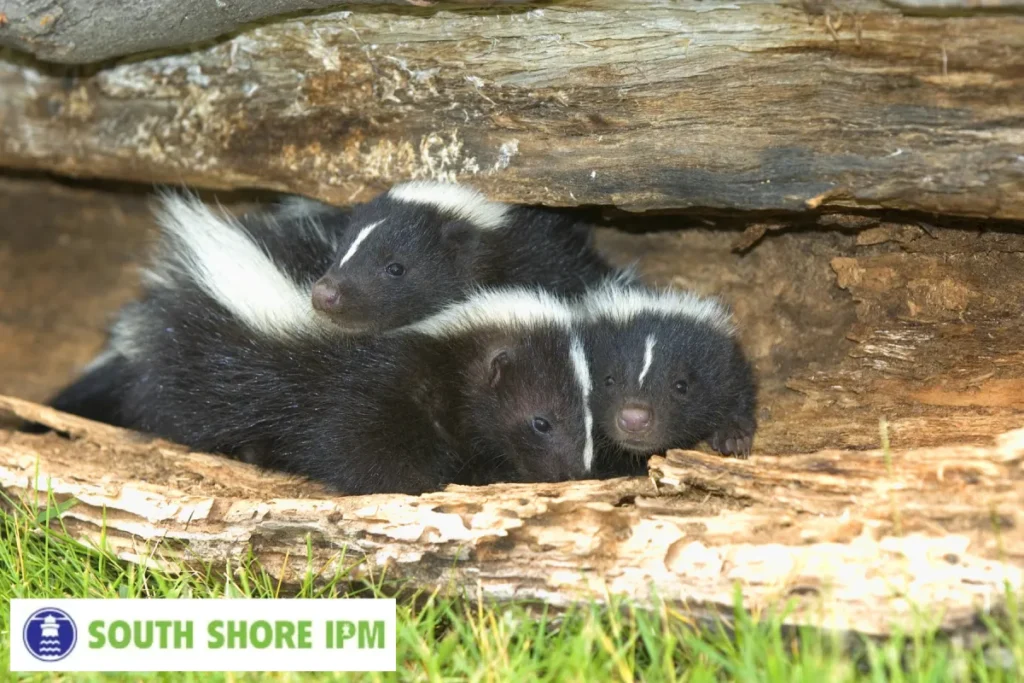
People Also Ask
Q: Will a skunk discharge its defensive odor if it encounters a human or a household pet near the deck?
A: These animals are generally gentle, non-aggressive creatures that will only discharge their defensive scent as a final resort when they feel completely trapped, cornered, or surprised. Before they release their scent, they will always display clear physical warning signs, including stamping their front paws loudly, raising their plush tail straight up, turning their back toward you, and making sharp hissing sounds. If you see these signs, back away slowly and quietly to give the animal plenty of escape room.
Q: Can a burrowing animal easily chew through regular plastic netting or chicken wire?
A: Yes. Their front legs are equipped with highly developed muscles and long, sharp claws designed for tearing apart rotting logs and digging deep earth tunnels. Lightweight materials like plastic garden netting, thin aluminum insect screens, and standard hexagonal chicken wire are easily torn apart by a determined animal. Long-term property exclusion requires using hot-dipped galvanized steel hardware cloth.
Q: When is the safest time of year to install permanent exclusion barriers around a porch?
A: Late summer and early autumn are the ideal times to complete structural exclusion work. Completing this process during the spring or early summer carries a very high risk of accidentally trapping a litter of helpless babies beneath your floorboards while the mother is away foraging. Trapping young animals inside creates a severe humane issue and results in unavoidable odor problems as the structure becomes compromised.
Reclaim a Secure, Odor-Free Property
Your backyard should be a comfortable, relaxing space where your children and pets can play safely without the stress of unexpected wildlife encounters. At South Shore IPM, we are proud to be your trusted, customer-centric partner, combining advanced technical skills with a friendly, approachable style. We believe in providing tailored solutions that protect both your home’s structural integrity and the health of our local environment. Our methods rely on creating resilient exterior barriers, minimizing product use within your immediate living areas.
Don’t let hidden pests or unwanted structural odors keep you from enjoying your property. Our experienced team is dedicated to giving you the long-term protection and total confidence you deserve. We invite you to explore our popular Full Season Service or check out our comprehensive seasonal protection plans to keep your entire yard comfortable year-round. We are also proud to support local families by offering special discounts for military members, seniors, teachers, and first responders.
Ready to learn exactly how to keep skunks out from under your deck and secure your perimeter for good? Contact us today to request your free quote!
