
Why Is Pantry Pest Control Necessary Even After Infested Food Has Been Thrown Away
Pantry pest control is necessary even after tossing infested food because adult pests deposit microscopic eggs and pupae in cabinet cracks, shelf pegs, baseboards, and food dust behind appliances. Remaining hidden larvae survive for weeks without direct food packages, quickly emerging to re-infest newly purchased pantry items.
Opening your kitchen cabinet to discover webbing inside a flour bag or tiny beetles crawling through a box of rice is a frustrating experience for any homeowner. The immediate instinct is to toss every suspect package straight into the outdoor trash. While clearing out contaminated groceries is an important first step, many families are surprised when fresh cereal and newly bought grains become infested just a few weeks later.
The reality is that pantry pests rarely stay confined inside a single cardboard box or paper bag. Female moths and beetles lay hundreds of microscopic eggs along cabinet corners, shelf peg holes, and baseboard crevices long before you notice the problem. Throwing away damaged food removes only a fraction of the total pest population living in your kitchen.
To keep your food safe and stop recurring infestations, you need a strategy that targets hidden harborages and prevents new pests from entering your home. Here is a detailed look at how pantry insects survive in hidden spaces, common myths about cabinet sanitation, and how professional eco-friendly care keeps your kitchen clean and safe.
Surface Trash Removal vs. Complete Harborage Eradication
Tossing out a contaminated box removes visible bugs, but it leaves behind hidden eggs, larvae, and pupae tucked into cabinet structures.
During a recent property audit for a family in Marshfield, our team inspected kitchen cabinets where a homeowner had thrown away several infested boxes of cornmeal. Despite wiping down the middle shelves, larvae were still crawling inside tiny unsealed shelf peg holes and along the rear cabinet seams, feeding on microscopic grain dust that had settled over time.
Here is how simple trash removal compares to a complete harborage decontamination:
| Infestation Factor | Tossed Food Box Only (DIY Approach) | Complete Pantry Harborage Eradication |
| Target Area | Visible infested product inside trash | Cabinet crevices, shelf peg holes, baseboard gaps, appliance voids |
| Residual Egg/Pupa Survival | High; microscopic eggs behind shelves hatch into new larvae | Zero; deep-cleaning and targeted treatments eliminate hidden life stages |
| Re-Infestation Risk | Extreme; emerging adults infest newly bought flour, grain, and spices | Low; complete harborage disruption prevents secondary population spikes |
| Secondary Food Sources | Flour dust, pet food crumbs, and dried spills remain in cracks | All residual organic matter removed and crevices sealed |
| Long-Term Protection | Temporary; cycles repeat every 30 to 45 days | Continuous; perimeter barriers and growth regulators stop life cycles |
The 5 Hidden Stages of Secondary Pantry Pest Re-Infestation
Understanding the biological life cycle of pantry insects explains why discarding one bad package is rarely enough to solve the issue completely.
1. Microscopic Egg Deposition in Shelf Crevices
Female moths and beetles lay eggs directly in dark cracks, cabinet corners, and shelf peg holes near stored food. These microscopic eggs are virtually invisible to the naked eye.
2. Survival on Residual Grain Dust and Crumbs
Newly hatched larvae do not need a full box of food to survive. They thrive on tiny flour dust particles, pet food crumbs, and spilled spices tucked behind cabinet liners or drawer slides.
3. Extended Pupation inside Structural Cracks
When larvae mature, they migrate away from food sources to find dark, undisturbed locations. They cocoon themselves behind baseboards, near electrical outlets, or under countertops to pupate safely.
4. Adult Emergence and Pheromone Trapping
Weeks later, adult beetles and moths emerge from their pupal casings. They release natural aggregation scents that attract other pests to gather and mate inside your kitchen cabinetry.
5. Cross-Contamination of Fresh Grocery Products
Newly emerged adults and crawling larvae bore through cardboard, thin plastic wrap, and paper packaging on newly purchased groceries, restarting the infestation cycle all over again.
Applying Our South Shore IPM Defense Protocol to Solve This
At South Shore IPM, we believe in providing personalized, eco-friendly pest control in Marshfield, MA that protects both your family’s health and the planet. We focus on minimal product use inside your actual living spaces, relying on smart habitat management and strong exterior protection to keep pests where they belong, outside.
Here is how our eco-conscious, comprehensive approach eliminates pantry pests and prevents future infestations:
- Comprehensive Approach to Interior & Exterior Defense: We begin with a comprehensive approach, carefully inspecting kitchen cabinetry, pantry shelves, and surrounding entry points to identify hidden harborages without overusing treatments inside your food storage areas.
- Targeted Crack and Crevice Decontamination: Leveraging over 50+ years of experience, our technicians use specialized vacuum extraction and targeted green treatment methods inside cabinet joints, shelf peg holes, and baseboard gaps where eggs and larvae hide.
- Establishing a Strong Exterior Barrier: Pests often enter homes from outdoor nesting sites or attached structures. We establish a strong exterior barrier around your home’s foundation, window sills, and utility penetrations to stop perimeter insects before they reach your kitchen.
- Ongoing Exterior Treatments for Seasonal Protection: To deliver long-term peace of mind, we provide ongoing exterior treatments through our seasonal service plans, maintaining a continuous defensive seal around your property year-round.
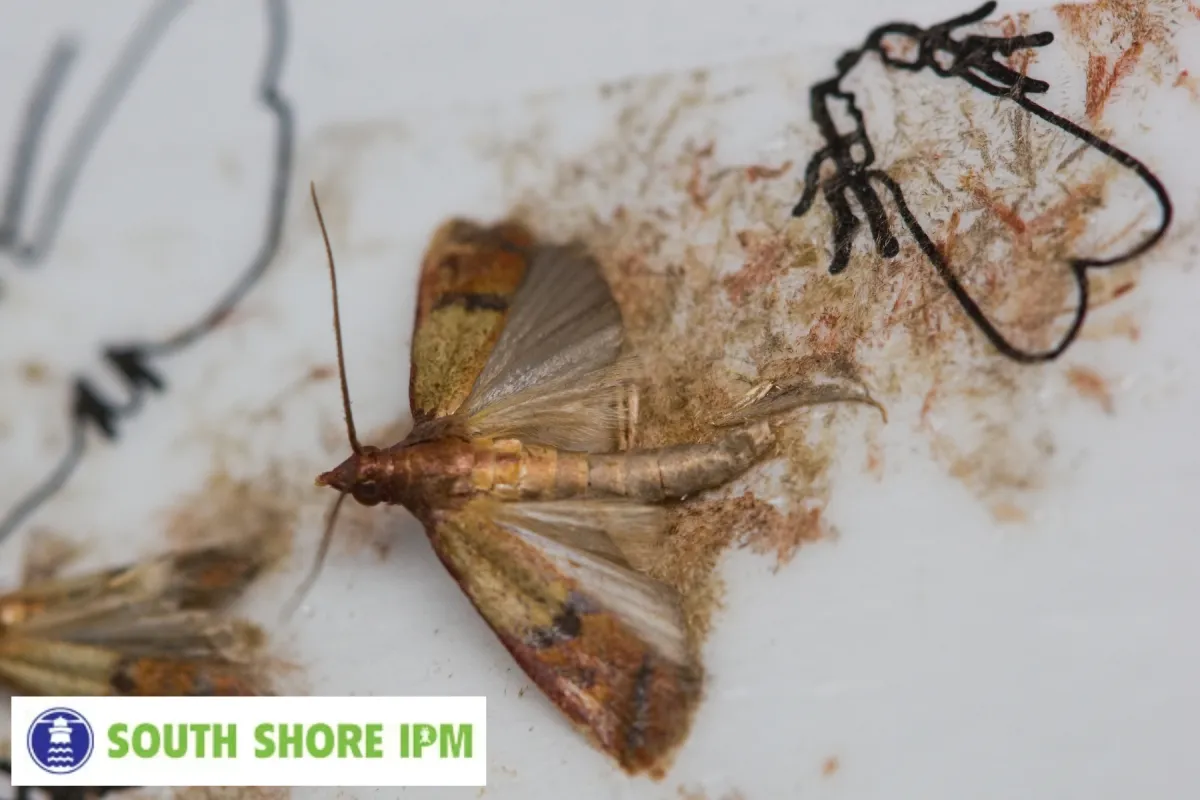
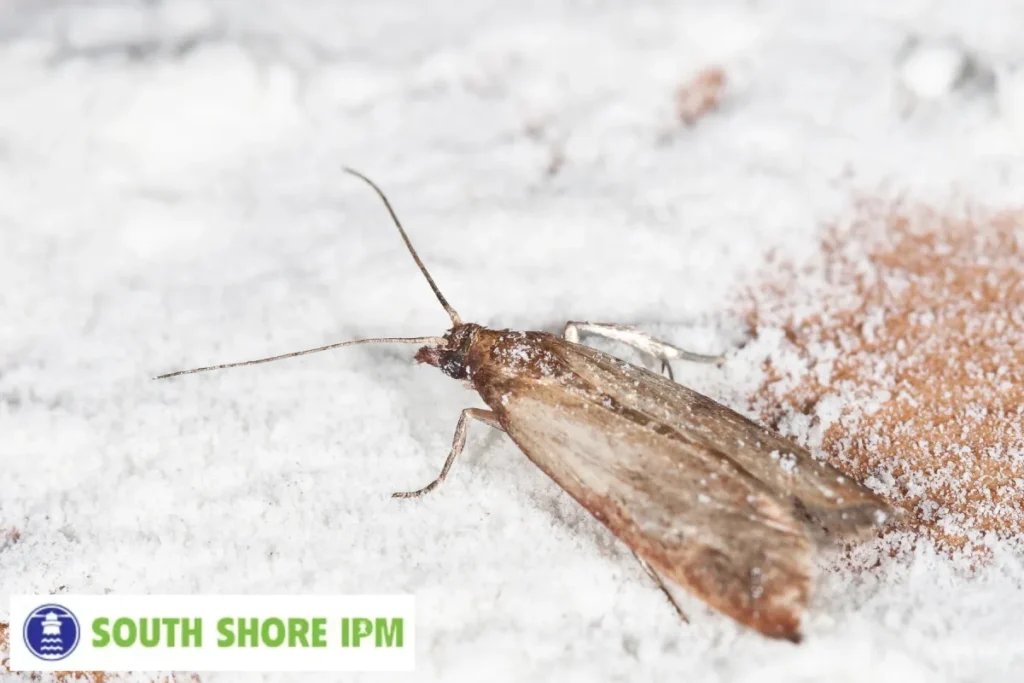
While helping a homeowner who struggled with recurring Indian meal moths, our technician discovered that while the indoor pantry had been cleaned, adult moths were entering through a nearby window frame and nesting in stored birdseed in the garage. By treating the exterior perimeter and clearing the garage harborage, we restored complete comfort to the home. This thorough approach is why homeowners trust pest control in Marshfield to identify hidden sources of pantry pest infestations and help prevent them from returning.
Debunking the Myth: “Throwing Away the Infested Bag of Flour Completely Solves the Problem”
A common myth among homeowners is that discarding the single bag of flour or box of pasta where bugs were spotted solves the pest issue entirely.
Here is why throwing away one food item rarely stops the cycle:
- The Single-Box Fallacy: Pantry insects are mobile. By the time you notice webbing or larvae in a bag of flour, adult pests have likely already laid eggs in nearby boxes and cabinet cracks.
- Structural Harborage Reality: Mature larvae crawl out of food containers to find dark, dry crevices for cocooning. They can live for weeks behind cabinet walls without touching a fresh food package.
- Hidden Re-Infestation: Removing the main source eliminates only a portion of the active population. The remaining eggs and pupae in your cabinetry will emerge weeks later to invade your newly bought groceries.
Pantry Pest Specifications & Biological Glossary
Understanding key pest management terms helps you make informed choices about keeping your home safe and clean:
Insect Growth Regulator (IGR)
A targeted treatment component that interrupts the biological development of immature insects, preventing hidden larvae from molting into adult breeding pests.
Frass and Webbing
Silky threads and granular waste left behind by moth larvae in stored grains, serving as a key diagnostic signal of hidden cabinet activity.
Pupal Cocoon
A protective casing created by mature larvae inside hidden cracks, hinges, or ceiling seams where standard cleaning tools cannot reach.
Harborage Gap
Tiny structural voids, such as shelf peg holes, unsealed baseboards, and cabinet joints, where food dust accumulates and pests shelter safely.
People Also Ask (FAQ)
How long can pantry pests survive after all infested food is thrown away?
Pantry pest larvae and pupae can survive for several weeks without packaged food. They feed on microscopic flour dust settled inside cabinet joints or remain dormant in pupal casings until emerging as adults.
Can pantry pests chew through unopened plastic bags and cardboard packaging?
Yes. Many beetle grubs and moth larvae possess sharp chewing mouthparts capable of boring through thin plastic wrap, paper bags, and cardboard packaging to reach fresh food supplies inside.
How does professional pest control treat cabinets without contaminating food areas?
Professional pest control focuses on physical extraction, eco-friendly sanitation, and targeted crack-and-crevice treatments applied strictly into structural joints, ensuring living spaces and food areas remain clean and safe.
Protect Your Kitchen and Family with Safe, Eco-Friendly Care
Throwing away an infested box of food is an essential start, but true peace of mind requires a strategy that eliminates hidden eggs and stops new pests from entering your living space. By clearing out structural harborages and maintaining a strong exterior perimeter, you can keep your pantry clean, safe, and protected.
At South Shore IPM, we are proud to offer professional, eco-conscious pest solutions designed with your family’s safety in mind. Our friendly team relies on minimal indoor product use, focusing on effective exterior barriers and personalized care to deliver long-term protection you can trust.
Whether you need targeted Marshfield pest control or reliable, year-round seasonal protection, we are here to help protect your home and the environment. For a dependable solution, trust our experienced team to keep your living space pest-free.
Ready to protect your kitchen and secure your home with eco-conscious care? Contact us today to schedule your consultation or request a free quote with South Shore IPM!