Can Earwigs Fly? Here’s What You Need to Know
Earwigs are among the most misunderstood pests in Braintree and surrounding areas such as Weymouth and Hingham. These insects often spark curiosity and fear due to their intimidating pincers, creepy movements, and late-night appearances. But one question that many homeowners often ask is: Can earwigs fly?
In this post, we’ll explore the anatomy of earwigs, why they have wings, and what makes them so unique. Whether you’re dealing with an earwig infestation or just curious about these odd insects, read on for the facts.
Do Earwigs Have Wings?
Yes, earwigs do have wings! In fact, most earwig species possess two pairs of wings: a leathery outer pair and delicate inner wings that are folded underneath. These wings, however, are not what most people think they are. While earwigs have wings, they do not fly often.
The outer wings protect the more fragile, fan-like inner wings, which are used only occasionally. While some earwig species may take a short gliding flight when disturbed or while searching for food, flying is not their preferred method of transportation. Instead, they rely on crawling and hiding in dark, damp places.
So, Can Earwigs Fly?
The short answer is yes, earwigs can fly, but they usually don’t. While they have wings, flying is not their primary way of moving around. Their flight is typically weak, short, and erratic, so you’ll rarely see them soaring through the air. Most of the time, earwigs prefer to crawl around your baseboards, bathrooms, or gardens.
If you’re wondering why you rarely see earwigs in the air, it’s because they don’t feel the need to fly. Their behavior and biology push them toward burrowing and crawling, not buzzing around like flies or wasps.
Do Earwigs Travel in Groups?
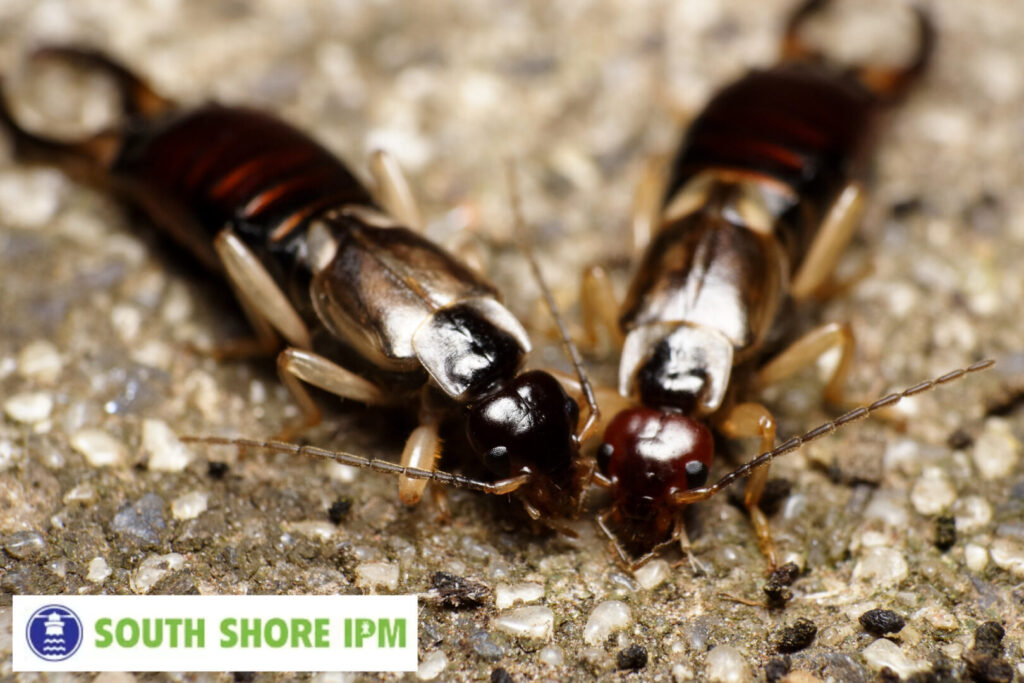
One common question homeowners ask is: Do earwigs travel in groups? The answer is: sometimes. While earwigs are primarily solitary, they can gather in groups when seeking shelter in damp environments or when food is abundant. You might notice a cluster of earwigs in the corners of your home, especially if there is a moisture problem. However, they don’t travel in groups the same way other pests, like ants, do. Earwigs tend to stay close to their preferred hiding spots until disturbed.
Why Do Earwigs Have Wings if They Don’t Use Them?
Great question! From an evolutionary standpoint, the wings might have been more useful to their ancestors. Today, earwigs use their wings mostly for balance and occasional short movements. Their pincers and legs are far more important for everyday survival tasks, like hunting small insects, mating, and avoiding predators.
What Do Earwigs Look Like?
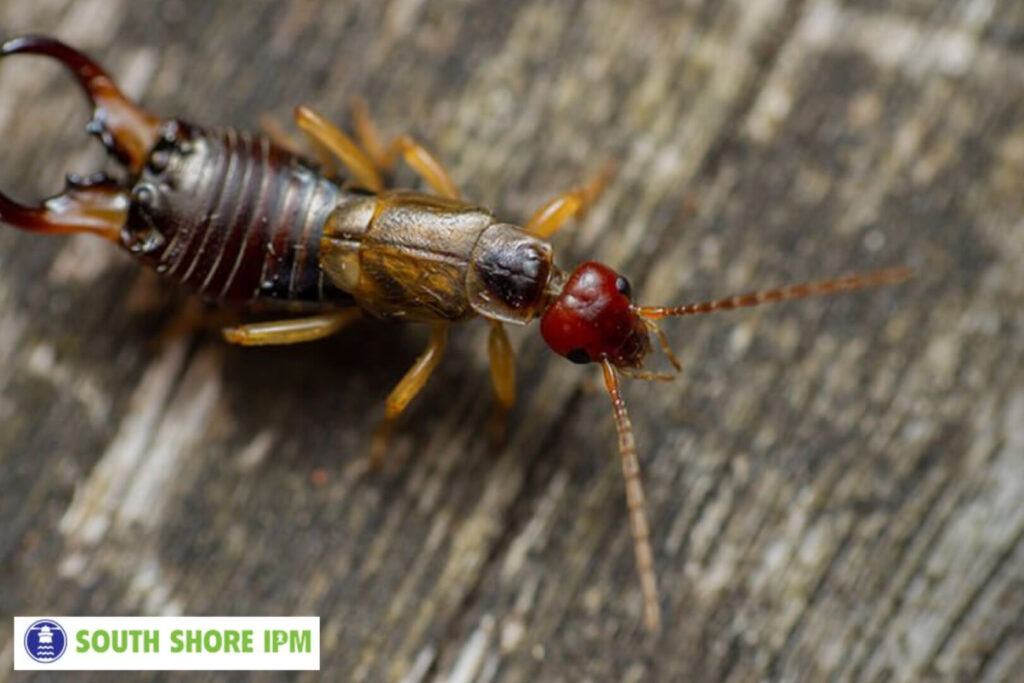
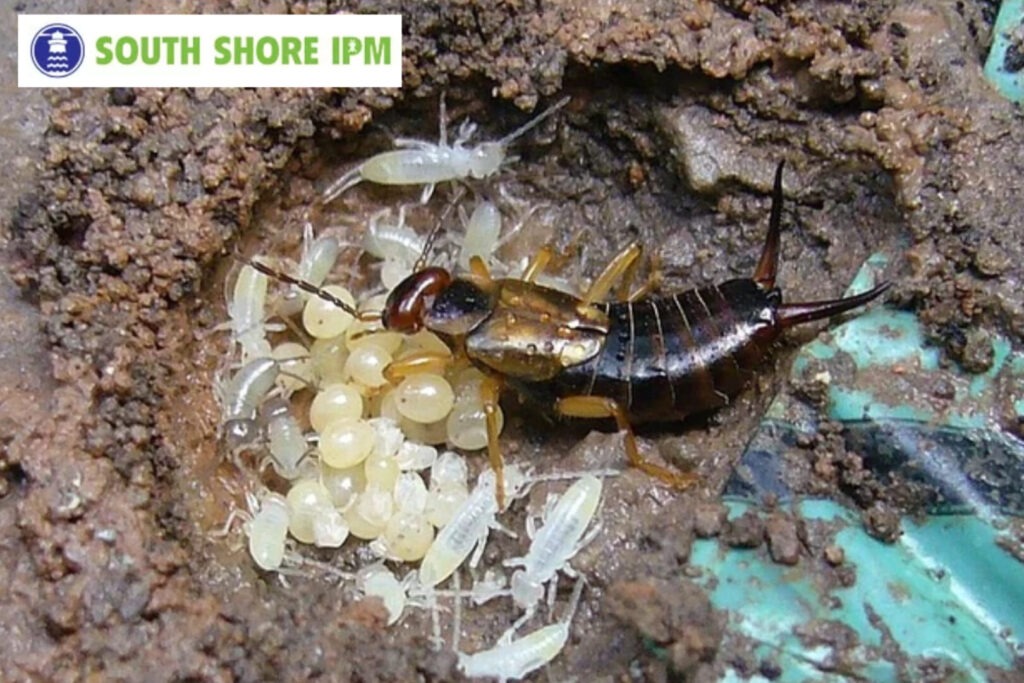
Earwigs are relatively easy to identify. They have:
- Flat, elongated bodies (usually dark brown)
- Prominent pincers (forceps) at the rear
- Antennae
- Wings tucked under short protective covers
People often confuse earwigs with other pests. One common confusion is silverfish vs earwig. While both are fast-moving and nocturnal, silverfish are wingless, have a teardrop shape, and lack pincers. Learn more about the differences between silverfish and earwigs in our detailed guide on earwig control.
Are Flying Earwigs a Problem?
Even though flying earwigs are rare, their presence can still be alarming. Whether they’re crawling or occasionally flying, earwigs can be a nuisance if they find their way into your home. They don’t bite or transmit diseases, but they can cause damage to plants in your garden and enter homes in large numbers.
If you notice signs of earwig activity in your home, such as pinched leaves in your garden or spotting one in your bathroom late at night, it may be time to consider professional pest control services in Braintree.
Why Are Earwigs Attracted to My Home?
Earwigs are moisture-seeking insects. They’re typically drawn to damp, dark areas like:
- Basements
- Bathrooms
- Mulch
- Folded laundry left on the floor
Earwigs may enter through cracks in windows, vents, or gaps in doors, especially when outdoor conditions become too dry or cold. Addressing moisture issues can go a long way in controlling an infestation. Sealing up your home’s foundation, fixing leaky pipes, and keeping things dry can significantly reduce the likelihood of earwigs entering your home.
When to Call for Professional Help
While earwigs aren’t dangerous, a large infestation can be unsettling. DIY treatments may offer short-term relief, but they rarely provide lasting protection. A professional Braintree pest control provider can assess the extent of the problem, identify entry points, and apply targeted treatments to eliminate the infestation.
Final Thoughts
So, can earwigs fly? Technically, yes, but in practice, you’re far more likely to find them crawling around than flying. Their wings may be functional, but they’re rarely used. Despite their unsettling appearance, earwigs are more of a nuisance than a threat.
You shouldn’t have to share your home with any pest, flying or crawling. If you’re seeing signs of an earwig infestation, proactive steps such as moisture control and professional exterminator services in Braintree can go a long way toward creating a pest-free environment.
About South Shore IPM
At South Shore IPM, we’re proud to offer effective, eco-friendly pest management services across Braintree and the surrounding South Shore communities. Our mission is to protect your home, health, and peace of mind through custom solutions. We use green, safe products to minimize exposure in your home while eliminating pests such as ants, termites, rodents, and more. Whether you need pest control for your home or commercial property, we offer bi-monthly, quarterly, and seasonal services to give you peace of mind.
If you’re looking for trusted exterminators, our team is here to help. Contact us today for a free estimate and see how we can help protect your property year-round.
FAQ: People Also Ask
1. Do earwigs bite?
Earwigs are not aggressive and are unlikely to bite humans. While their pincers may pinch if threatened, they are not harmful.
2. Are earwigs dangerous?
No, earwigs are not dangerous to humans. They do not transmit diseases, but they can cause damage to plants and be a nuisance if they infest your home.
3. How do I prevent earwigs from coming inside?
Seal cracks and gaps in windows and doors, eliminate moisture inside the home, and reduce outdoor lighting at night to prevent earwigs from being attracted to your property.
4. What are some pests that look like earwigs?
Silverfish, cockroaches, and centipedes are often confused with earwigs due to their similar appearance and nocturnal activity.
5. Do earwigs travel in groups?
While earwigs are mostly solitary, they can sometimes be found in groups when they seek shelter in damp environments or when there is an abundance of food. However, they do not travel in groups the way ants do.
Other related blogs:
What Do Earwigs Eat? A Closer Look at These Unusual Insects
What Are Earwigs a Sign Of? Understanding These Unwelcome Visitors
The Truth About Flying Earwigs: Should You Be Concerned?