Don’t Ignore These Black Clues: How to Spot a Carpenter Ant Infestation Early
Carpenter ant infestations can be difficult to detect because their nests are often hidden inside wood, wall cavities, attics, or other concealed spaces. Early warning signs include repeated indoor ant sightings, small piles of wood shavings, and winged ants emerging inside the home. Recognizing these clues can help you investigate the source, address moisture problems, and determine whether professional inspection is needed.
What Are Carpenter Ants, and Why Do They Nest in Homes?
Carpenter ants are relatively large ants that excavate wood to create nesting galleries. Unlike termites, they do not eat wood for nutrition. Instead, they remove small pieces of wood to build and expand their nests.
These ants often prefer damp, decaying, or previously damaged wood, although they can establish nests in other wooden structures. Homes may provide suitable nesting areas around rooflines, window frames, decks, crawl spaces, and wall cavities.
Carpenter ants can become a concern when nesting activity continues inside structural wood. The extent of damage depends on factors such as the location of the nest, the size of the colony, and how long the infestation remains undetected.
What Are the Early Signs of a Carpenter Ant Infestation?
Recognizing the warning signs early can help you decide whether further inspection is necessary. No single clue automatically confirms an infestation, but several signs occurring together can provide stronger evidence.
1. Large Ants Repeatedly Appearing Indoors
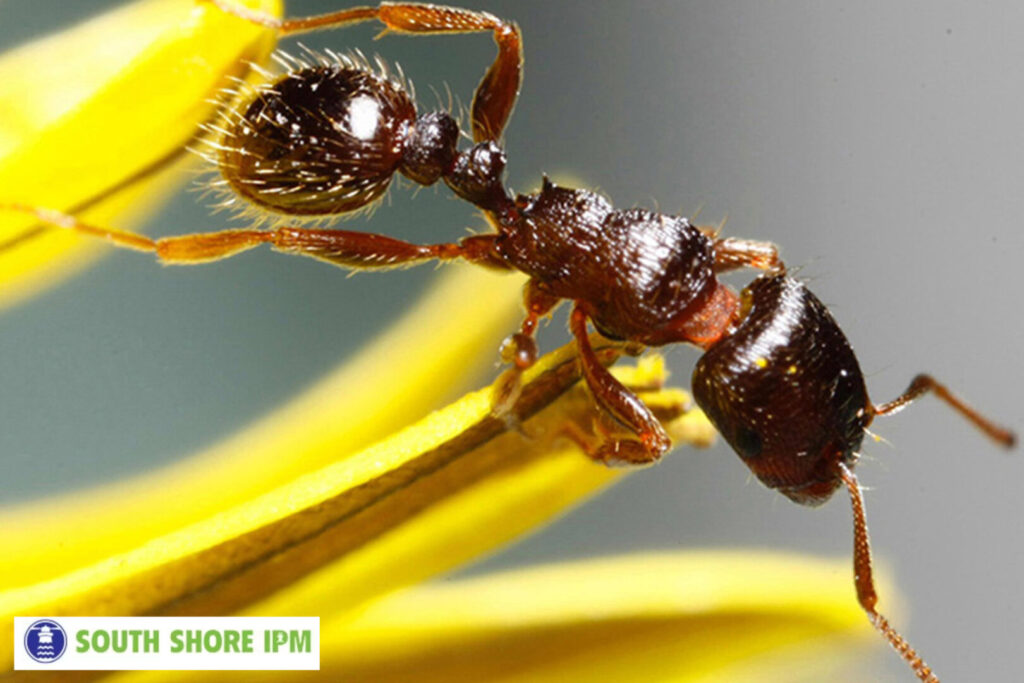
One of the first clues may be seeing large, dark ants walking along baseboards, windowsills, kitchen counters, or other surfaces. Carpenter ants vary in size and color, so appearance alone is not enough to identify the species with certainty.
Pay attention to where the ants appear and whether you see them repeatedly. A few ants may be foraging indoors from an outdoor nest, while persistent activity near a particular wall, window, or wooden structure may justify a closer inspection.
Look for trails leading toward gaps, damp areas, or concealed spaces. Avoid assuming that every large black ant is a carpenter ant; several ant species can look similar.
2. Small Piles of Wood Shavings Near Wooden Structures
Carpenter ants excavate wood to create their nesting galleries. As they work, they may push debris out through openings, leaving small piles of coarse wood shavings called frass.
You might find this material near:
- Window and door frames
- Baseboards and wall openings
- Wooden beams or ceiling joints
- Decks, porches, and exterior trim
- Attics or other areas with exposed wood
Carpenter-ant frass may contain wood shavings mixed with insect fragments and other debris. However, sawdust alone does not prove that carpenter ants are present. Other insects, woodworking activity, and deteriorating materials can produce similar-looking debris.
If you repeatedly find fresh material in the same location, inspect the nearby wood for small openings or other signs of activity. Avoid closing off a suspected nest before its location and condition have been assessed.
3. Winged Ants Appearing Inside Your Home
Carpenter ant colonies produce winged reproductive ants during their mating flights. These ants leave established colonies to mate and potentially start new colonies.
Finding winged ants indoors deserves attention, particularly if several appear at once or emerge from a wall, ceiling, or wooden structure. This can indicate that a nest is located within the building, although an isolated winged ant may have entered from outside.
If you notice repeated appearances, record where you found them and, if possible, take a clear photograph for identification. Avoid confusing winged ants with termites, which have different body features and wing characteristics.
4. Possible Damage to Wood
Carpenter ants can gradually enlarge their nesting galleries, especially when a colony remains active in a wooden structure. Unlike termites, they do not consume the wood, but their excavation can still damage affected materials.
Potential warning signs include small openings in wood, recurring frass, and ant activity around damp or damaged timber. You may also notice activity near areas that have experienced leaks or persistent condensation.
A hollow sound when tapping wood is not a reliable diagnosis on its own. Many normal building cavities and types of wood can sound hollow. Look for several clues together rather than relying on sound alone.
If you suspect damage to a load-bearing component, arrange an appropriate professional assessment instead of attempting structural repairs based only on visible ant activity.
Where Do Carpenter Ants Usually Nest?
Carpenter ants may establish nests outdoors, indoors, or in multiple locations connected to the same colony. Finding ants inside does not necessarily mean the primary nest is inside your home.
Common locations include:
- Attics and rooflines: Damp or deteriorating wood can provide suitable nesting conditions.
- Wall cavities: Hidden spaces may allow ants to remain unnoticed for long periods.
- Crawl spaces: Moisture and exposed wood can make these areas attractive nesting locations.
- Decks and porches: Wooden structures may provide nesting opportunities, especially when damaged or exposed to moisture.
- Trees and decaying wood: Outdoor nests may be located in dead branches, stumps, or decaying sections of trees.
- Areas around plumbing: Leaks or condensation can contribute to the damp conditions that carpenter ants often favor.
Inspect accessible areas for moisture, wood deterioration, and recurring ant activity. If signs point toward an inaccessible nest, a professional inspection may help determine where the colony is located.
How Can You Tell Carpenter Ants Apart From Termites?
Carpenter ants and termites can both be associated with wood damage, but they behave differently. Correct identification matters because the appropriate inspection and treatment approach depends on the pest involved.
| Feature | Carpenter ants | Termites |
|---|---|---|
| Food source | Feed on other food sources; they do not eat wood | Consume cellulose-containing materials, including wood |
| Wood damage | Excavate galleries to create nests | Feed on wood and may leave damaged internal sections |
| Body shape | Narrow waist and distinctly segmented body | Broad waist with a more uniform body shape |
| Antennae | Elbowed antennae | Straight or gently curved antennae |
| Wings | Front wings are generally longer than hind wings | Four wings are generally similar in length |
These are general identification clues, not a substitute for examining the insect closely. Winged insects can be difficult to distinguish without a clear view, so a photograph or specimen may help a qualified professional identify the pest.
What Should You Do if You Suspect Carpenter Ants?
If you find recurring ants, frass, or other warning signs, focus on gathering information and addressing conditions that may support nesting.
Investigate the Location of the Activity
Note where ants appear, when you see them, and whether the activity repeats in the same area. Photograph any ants or debris you find. These details can help with identification and further inspection.
Address Moisture Problems
Repair leaking pipes, damaged roof areas, and other sources of persistent moisture. Keep gutters clear and make sure water drains away from the building where possible.
Correcting moisture problems helps reduce conditions that can attract carpenter ants, but it does not automatically eliminate an established nest.
Reduce Potential Nesting Opportunities
Where practical, remove decaying wood and keep firewood or unused lumber away from exterior walls. Trim vegetation that directly contacts the building and inspect wooden structures for damage.
Avoid disturbing suspected nests inside walls or structural components. If the source is unclear, an inspection can help determine whether the activity is coming from outdoors or from a concealed indoor nest.
When Should You Call a Pest Control Professional?
A professional inspection may be appropriate when you repeatedly find large ants indoors, discover fresh frass in the same location, or see winged ants emerging from inside your home. Suspected carpenter-ant activity in inaccessible areas also warrants further investigation.
Homeowners looking for pest control in Brockton, MA should focus on finding a provider that can help identify the insect, assess likely nesting areas, and explain the recommended next steps. The goal is to determine whether carpenter ants are present and whether the nest is inside the building or outdoors.
When researching Brockton pest control, ask how the inspection will distinguish carpenter ants from other ants or termites, and whether the recommendations will address moisture and potential entry points as well as the visible activity.
If you need pest control in Brockton, a targeted assessment can help determine the appropriate response based on the pest, the location of the nest, and the extent of any damage. You can also review South Shore IPM’s carpenter ant control information to learn more about the pest and available assistance.

Frequently Asked Questions
What is the first sign of carpenter ants?
Repeated sightings of large ants indoors may be an early clue. Other warning signs include coarse wood shavings near wooden structures and winged ants appearing inside. None of these signs alone confirms an infestation, so look for recurring activity and investigate the surrounding area.
Does sawdust always mean carpenter ants are present?
No. Carpenter-ant frass can resemble coarse sawdust, but similar debris may come from other insects or ordinary woodworking. Repeated piles near ant activity or small openings in wood provide more useful clues and may justify a closer inspection.
Do carpenter ants nest inside walls?
Yes, carpenter ants can establish nests inside wall cavities and other concealed wooden spaces. However, ants found indoors may also be foraging from an outdoor nest. Tracking repeated activity and inspecting nearby openings can help determine where the ants may be coming from.
Do winged carpenter ants mean there is a nest in my home?
Several winged carpenter ants appearing indoors, especially if they emerge from a wall or wooden structure, can indicate an indoor nest. A single winged ant may have entered from outside, so consider the number of insects and where they appear before concluding.
Can carpenter ants cause serious damage to a home?
Carpenter ants can damage wood by excavating nesting galleries. The extent depends on the size and location of the colony and how long it remains active. Repeated signs around structural wood should be investigated, especially if moisture damage is also present.
How can I prevent carpenter ants from returning?
Repair leaks, reduce persistent moisture, remove decaying wood where practical, and seal suitable gaps around the building. These steps can make nesting conditions less favorable, but an established colony may require targeted treatment to resolve the problem.
Protect Your Home by Recognizing the Signs Early
Carpenter ants can remain hidden while their nests expand, so recognizing repeated indoor sightings, frass, and other warning signs is important. South Shore IPM can help homeowners investigate these clues, identify potential nesting sources, address moisture problems, and determine whether professional assistance is needed.
If you suspect a carpenter ant infestation, contact us today to discuss your concerns and explore the next steps.
LEARN MORE HERE:
From Kitchen Crumbs to Wall Cracks: What Attracts Black Ants Into Your House
Battling the Wood Destroyers: Carpenter Ants vs. Termites Who’s the Real Culprit?