What Is the Best Ant Killer
The best ant killer depends on the ant species, where the colony is located, and what is attracting the ants to your property. Ant baits are often useful because worker ants can carry the bait back to the nest, while contact treatments target ants directly. Choosing the right approach means understanding the infestation instead of focusing only on the ants you can see.
What Is the Most Effective Ant Killer?
There is no single ant control product that works equally well for every species or infestation. The most effective option is one that matches the ants’ feeding preferences, reaches the areas where they travel, and addresses the source of the activity.
For many household ant problems, bait-based products are an important control option. They contain an attractant combined with an active ingredient. Worker ants feed on the bait and may carry portions back to the nest, where other colony members can consume it.
This approach can help address ants that are difficult to reach directly. However, bait only works when the ants accept it and have enough time to carry it back to the colony.
Contact treatments work differently. They affect ants that come into direct contact with the treated area, which may reduce visible activity. However, killing individual workers does not necessarily eliminate the nest or resolve the underlying infestation.
The right choice depends on the situation:
- Ant bait: Useful when foraging ants are willing to feed on the product and carry it back to the nest.
- Contact treatment: May help address ants in specific areas, but its effectiveness depends on the product, placement, and target species.
- Targeted professional treatment: May be appropriate when the nest is hidden, activity keeps returning, or the ant species is difficult to identify.
Always follow the product label, including directions for placement, application, and precautions around children and pets.
Which Type of Ant Killer Should You Choose?
Before selecting a product, consider where the ants are appearing and whether they are following a consistent trail. These observations can help determine which control method is appropriate.
Ant Baits
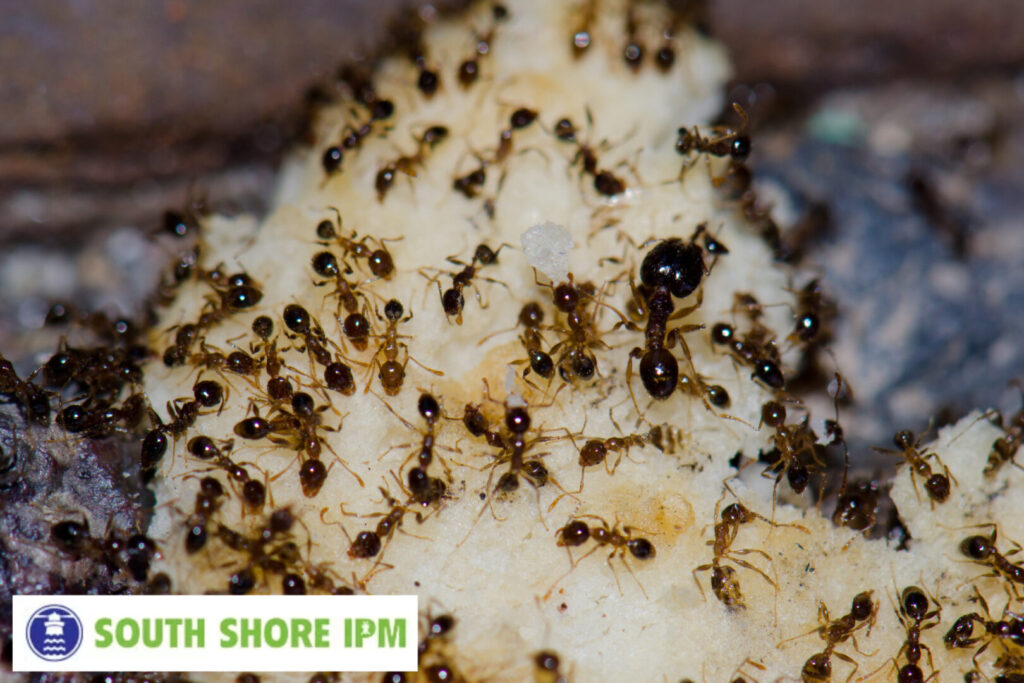
Ant baits are designed to attract worker ants with a food source containing an active ingredient. Depending on the formulation, the bait may attract ants looking for sweet, protein-based, or other food sources.
When workers accept the bait, they can transport it to the nest and share it with other colony members. This makes bait useful when the nest is hidden inside a wall void, beneath flooring, or somewhere outdoors that is difficult to access.
However, bait is not an immediate solution. Workers need time to find it, feed on it, and return to the nest. Continued ant activity during the early stages does not automatically mean the bait has failed.
For better results:
- Place bait near active ant trails or other areas where ants are consistently foraging.
- Choose a formulation that the ants will actually consume.
- Keep competing food sources, such as crumbs and uncovered food, to a minimum.
- Check bait stations regularly and replace products according to label instructions.
- Avoid placing bait where children, pets, or wildlife can access it.
Do not apply other products around bait placements unless the labels and treatment instructions allow it. Some treatments can interfere with feeding or discourage ants from approaching the bait.
Contact Treatments
Contact treatments affect ants when they encounter a treated surface or area. They may reduce visible activity, particularly when ants are concentrated in a specific location.
However, these products generally do not provide the same colony-targeting approach as a suitable bait. If the nest remains active, additional workers may continue to enter the property.
The location and type of infestation matter. A treatment that reduces activity along one trail may not address a nest hidden inside a wall or elsewhere on the property.
Follow all label directions and avoid applying products near bait placements unless the product instructions specifically permit it.
Other Targeted Control Methods
Some ant infestations require more than one control measure. For example, an accessible outdoor nest may require a different approach from ants traveling through a wall void or entering around plumbing.
Professionals may combine inspection, appropriate baiting, targeted applications, sanitation recommendations, and exclusion measures. The goal is to address the conditions supporting ant activity rather than relying on one product for every situation.
Why Does the Type of Ant Matter?
Different ant species have different feeding preferences, nesting habits, and behaviors. A bait that attracts one species may be ignored by another.
For example, some ants readily accept sweet liquid baits, while others may show more interest in protein-based or greasy food sources. Preferences can also change depending on the colony’s needs and the food available nearby.
This is one reason identifying the ant species can improve control decisions.
Carpenter ants require particular attention because they excavate wood to create nesting galleries. They do not eat wood, but their nesting activity can damage wooden components over time, especially when colonies establish themselves in structural areas.
If you suspect carpenter ants, look for possible nesting evidence such as piles of coarse, sawdust-like material, repeated activity near damp wood, or large ants traveling along the same route. These signs do not confirm an infestation on their own, but they may indicate that further inspection is needed.
Why Is Your Ant Killer Not Working?
Using an ant control product does not guarantee that the infestation will disappear immediately. Several factors can prevent a treatment from producing the expected results.
The Ants Are Not Eating the Bait
Bait only works when ants accept it as a food source. If they ignore the product, the formulation may not match their current feeding preference.
Try observing the ants before deciding that a bait is suitable. If they consistently avoid it, the product may not be the right choice for that species or colony.
Competing Food Sources Are Available
Uncovered food, crumbs, spills, pet food, and other organic materials can compete with bait. Ants may continue feeding on those sources instead of approaching the product.
Clean affected areas, store food in sealed containers, and remove accessible food debris. These steps can make it easier to monitor whether ants are feeding on the bait.
The Bait Is Placed in the Wrong Location
Ants follow established routes between food sources and their nests. Placing bait far from active trails may reduce the chance that workers find it.
Observe where ants travel before positioning bait. Use the product only in locations permitted by its label, and keep it away from children and pets.
The Bait Is No Longer Fresh
Some bait formulations can dry out, become contaminated, or lose their attractiveness over time. An old or damaged bait station may no longer attract the ants.
Check the product regularly and replace it as directed by the manufacturer.
The Nest Has Not Been Addressed
A reduction in visible ants does not always mean the colony has been eliminated. Additional workers may continue to forage if the nest remains active.
When ants repeatedly return, the source may be hidden or there may be more than one nesting location. A closer inspection can help determine why the problem persists.
How Can You Tell If an Ant Infestation Is Getting Worse?
Occasional ant sightings do not always indicate a large infestation. However, repeated activity or signs of nesting may suggest that the problem needs further attention.
Watch for these indicators:
- Repeated ant trails: Workers continue following the same route through kitchens, bathrooms, basements, or other areas.
- Activity in multiple rooms: Ants appear in several parts of the property rather than around one isolated food source.
- Entry near gaps or openings: Ants repeatedly enter through cracks around windows, doors, utility lines, or foundations.
- Winged ants: Reproductive ants may appear during swarming periods. Their presence can warrant closer inspection, especially indoors.
- Sawdust-like material: Coarse debris near wooden structures may be associated with carpenter ant nesting activity.
- Persistent activity after baiting: Ants continue appearing despite proper bait placement and the removal of competing food sources.
These signs can help identify a developing problem, but they do not all point to the same ant species or nesting location. Proper identification is important before selecting a treatment.
How Do Professionals Determine the Right Ant Control Method?
Professional ant control starts with understanding the infestation. Rather than choosing a product based only on visible activity, a technician evaluates the conditions that may be supporting the ants.
An inspection may include:
- Identifying the ants: Their appearance, size, behavior, and feeding patterns can help narrow down the species.
- Following activity: Technicians look for trails, entry points, and areas where ants are consistently foraging.
- Checking potential nesting locations: Moisture-prone areas, wall openings, foundations, and damaged wood may provide clues about where ants are nesting.
- Assessing contributing conditions: Accessible food, water sources, vegetation, and gaps around the structure may help explain why ants are entering.
- Selecting an appropriate control approach: Findings help determine whether bait, targeted treatment, exclusion, or a combination of measures is suitable.
- Evaluating the results: Follow-up observations can help determine whether activity has decreased and whether additional attention is needed.
For homeowners researching pest control in Hingham, understanding this process can help distinguish a targeted inspection from an approach that focuses only on visible ants. A suitable plan should account for the species, nesting conditions, and areas of activity.
The same principle applies when comparing pest control in Hingham, MA: ask how the company identifies the ant problem and determines which control method is appropriate. Product selection should follow inspection findings rather than a one-size-fits-all recommendation.
What Can Homeowners Do to Prevent Ants From Returning?
Even after ant activity decreases, conditions around a property can continue attracting new foragers. Prevention helps reduce those opportunities.
Remove Accessible Food Sources
- Store pantry items in tightly sealed containers.
- Clean crumbs and food spills promptly.
- Keep kitchen counters and floors free of food debris.
- Rinse food containers before placing them in recycling.
- Store pet food securely and avoid leaving it out longer than necessary.
Address Moisture Problems
Many ants use water sources around buildings. Repair leaking pipes, address drainage problems, and avoid allowing water to collect near the foundation.
Check areas beneath sinks, around plumbing, in basements, and near exterior fixtures for signs of persistent moisture.
Seal Accessible Entry Points
Inspect gaps around windows, doors, utility lines, and other openings. Seal appropriate cracks and install or repair door sweeps and weatherstripping where needed.
These measures can reduce access, although they may not eliminate ants that are already nesting inside the structure.
Maintain the Area Around the Foundation
Keep outdoor areas reasonably clear of accumulated debris, fallen branches, and unnecessary vegetation touching the building. Check for conditions that may provide food, moisture, or sheltered nesting areas.
If ant activity continues despite these steps, a qualified exterminator in Hingham can help determine whether the issue involves an accessible outdoor nest, a hidden indoor colony, or another contributing condition.
Frequently Asked Questions
What is the fastest way to get rid of ants in a home?
The best approach depends on the ant species and where the colony is located. Cleaning food sources, identifying entry points, and selecting an appropriate control method can help address the problem. Baits may take time to work because ants need to carry the product back to the nest.
Are ant baits more effective than contact treatments?
Ant baits can help target a colony when workers accept the bait and transfer it to other nest members. Contact treatments affect ants that encounter the treated area but may not eliminate a hidden colony. The appropriate option depends on the infestation.
Why are ants ignoring the bait I put out?
The bait may not match the ants’ feeding preference, or competing food sources may be more attractive. The placement may also be unsuitable. Observe ant activity and follow the product instructions before deciding whether a different formulation is needed.
How long does it take for ant bait to work?
The timeline varies by product, ant species, colony size, and placement. Some activity may continue while workers carry bait back to the nest. Follow the product label and avoid disturbing bait placements unnecessarily.
Why do ants keep coming back after treatment?
Ants may return if the original nest remains active, additional colonies are present, or food and moisture continue attracting them. Identifying the source and addressing entry points can help reduce recurring activity.
Conclusion
Choosing an effective ant control method requires more than finding a product that kills visible ants. South Shore IPM understands that identifying the species, understanding its feeding behavior, locating activity, and addressing conditions that attract ants all contribute to better long-term management.
A targeted approach can help resolve the current problem while reducing the conditions that allow ant activity to continue.
If ants keep returning or you suspect a hidden nest, contact us today to discuss your concerns and request an inspection.
LEARN MORE HERE:
Don’t Ignore These Black Clues: How to Spot a Carpenter Ant Infestation Early
From Kitchen Crumbs to Wall Cracks: What Attracts Black Ants Into Your House
Battling the Wood Destroyers: Carpenter Ants vs. Termites Who’s the Real Culprit?