How to Inspect a Concrete Slab Foundation for Early Signs of Termite Mud Tubes
To inspect a concrete slab for termite mud tubes, examine the exterior perimeter where the soil meets the foundation for pencil-sized, earthen tunnels climbing the concrete. You must specifically check expansion joints, plumbing penetrations, and brick weep holes, as termites use these tiny gaps to bypass the slab. Early detection is vital for successful termite control in Boston, MA.
Anatomy of a Termite Mud Tube
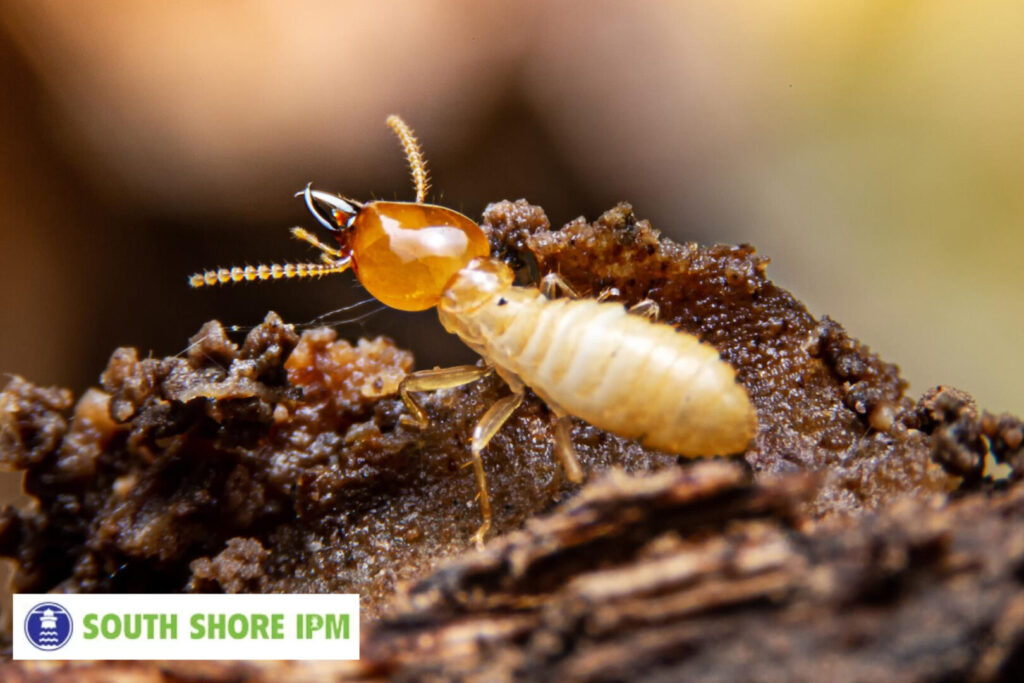
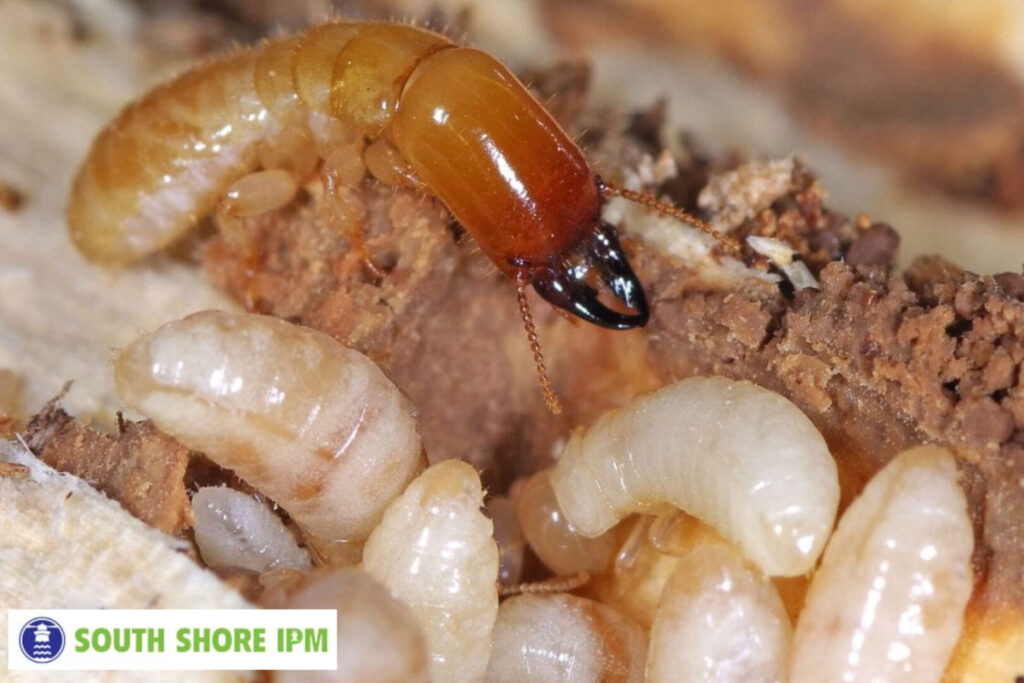
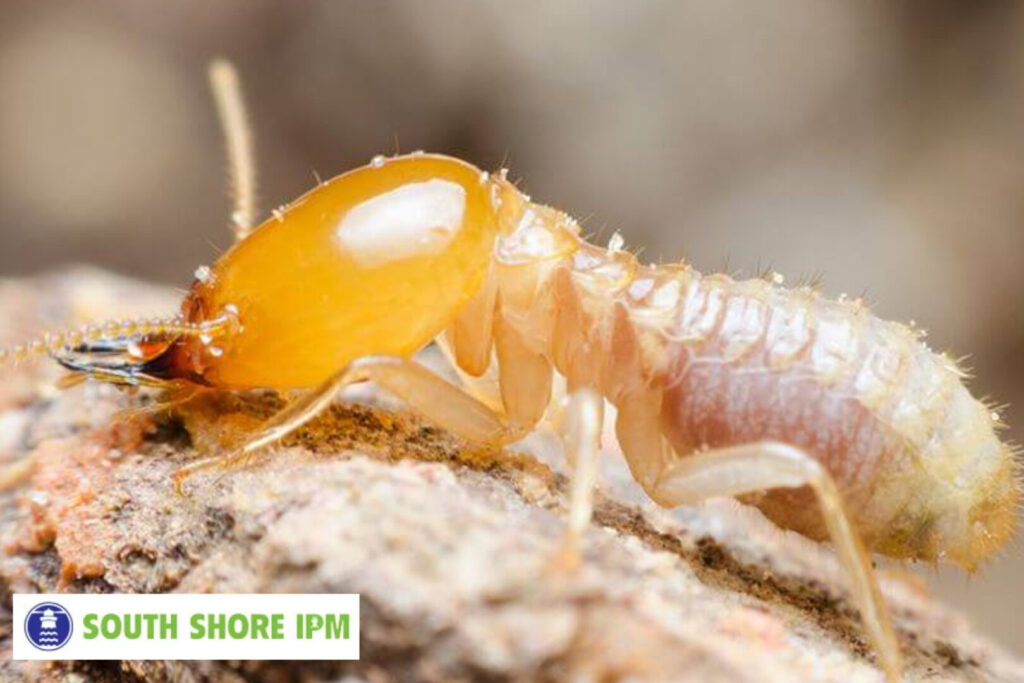
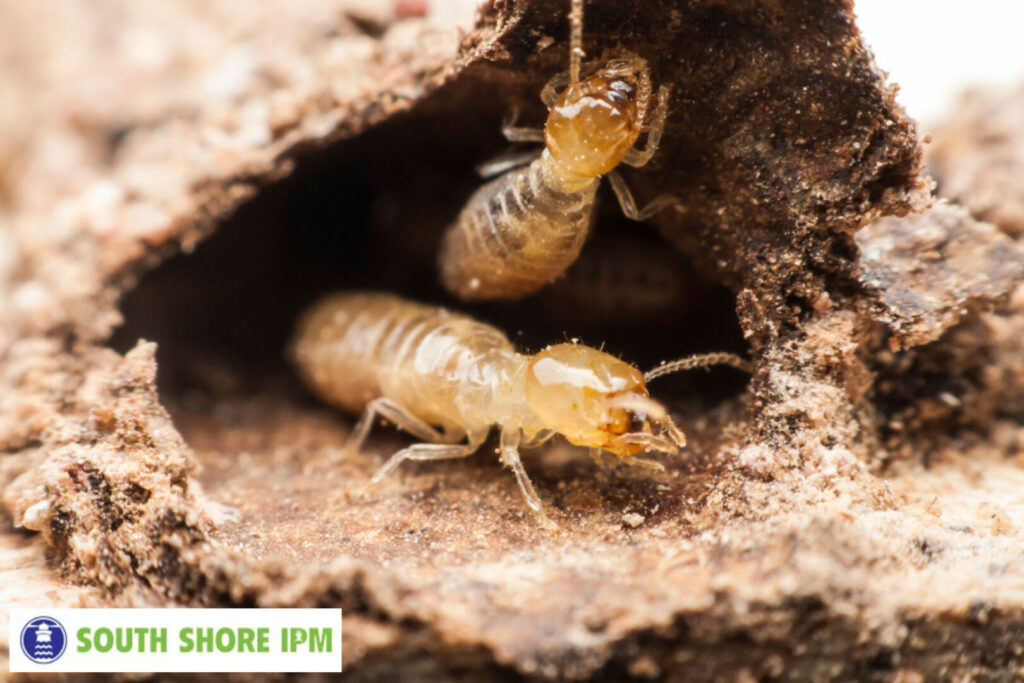
Understanding the physical characteristics of a mud tube is the first step in protecting your property. Subterranean termites are soft-bodied insects that require constant moisture to survive. When they leave the soil to forage for wood, they build “shelter tubes” made of dirt, saliva, and fecal matter. These tubes act as climate-controlled highways, protecting the colony from drying air and predators such as ants.
During a thorough inspection, you should look for three distinct variations:
- Working Tubes: These are the primary transit lines. They are sturdy, well-constructed, and typically about the width of a pencil. They connect the underground nest to the wooden framing of your home.
- Exploratory Tubes: These are thinner and more fragile. Termites build these when “scouting” for new food sources. They may not reach a piece of wood, but their presence is a major red flag that termites in Boston, MA, are active on your lot.
- Drop Tubes: These are often found in basements or under porches. They look like stalactites hanging from floor joists back down toward the soil.
Critical Inspection Zones: Slab vs. Crawl Space
There is a common misconception that concrete slabs are easier to monitor than crawl spaces. However, slab foundations often hide entry points behind siding, finished walls, and floor coverings. While a crawl space allows a termite exterminator to see the interior foundation walls, a slab requires a more meticulous exterior and “penetration-point” search.
| Inspection Feature | Concrete Slab Foundation | Crawl Space Foundation |
| Primary Entry Point | Expansion joints & plumbing gaps | Sill plates & support piers |
| Visibility | Often hidden by siding or mulch | Visible from underneath the home |
| Detection Difficulty | High (tubes are often behind walls) | Moderate (requires physical entry) |
| Risk Factor | Termites can enter through slab cracks | Termites climb foundation walls |
Debunking the “Solid Slab” Myth
A prevalent industry myth suggests that a solid concrete slab acts as an impenetrable barrier to pests. In reality, no slab stays perfectly solid forever. During a recent audit for a property in a historic Boston neighborhood, we found that even the most well-poured concrete eventually develops settlement cracks.
Termites only need a 1/32-inch gap, roughly the thickness of a credit card, to gain entry. Furthermore, “bath traps” (the cutouts in the slab for plumbing) are often left filled with dirt, providing a direct, invisible highway from the ground to your subfloor. This is why professional termite control in Boston, MA, is necessary even for modern homes.
Applying our Barrier-Deep Scan to Solve This
At South Shore IPM, we believe in a robust defense perimeter. We don’t just look for bugs; we look for the biological and structural “weak links” in your home. This is where our proprietary top-tier protection services come into play. We utilize a detailed inspection process led by skilled technicians who understand that every infestation is unique.
The Power of Skilled Technicians
With more than 50 years of combined experience, our team knows exactly where termites hide. Our skilled technicians meticulously inspect your home, identifying potential entry points and nesting areas that generalists might overlook. By understanding the specific behaviors of local subterranean species, we implement tailored solutions that address the root cause of the issue.
High-End Products and Pet-Safe Solutions
Your family’s safety is our commitment. We utilize high-end products, specifically the Sentricon monitoring bait system, to provide year-round security. This system is non-invasive and environmentally responsible. Our top-tier protection services emphasize an eco-conscious approach, using pet-safe products that create a protective shield around your home. By treating the exterior and monitoring the soil, we keep the pests and the treatments outside where they belong.
Step-by-Step Perimeter Inspection Guide
If you are performing a DIY check before calling a termite exterminator, follow this guide to sweep your property effectively:
- Clear the Grade Line: Move mulch, wood piles, and heavy foliage at least 12 inches away from the foundation. Termites love the moisture trapped under mulch.
- Examine the “Siding-to-Soil” Gap: Ensure there is at least 4-6 inches of visible concrete foundation. If your siding touches the dirt, termites can enter the wall assembly without ever building a visible mud tube.
- Inspect Plumbing Entry Points: Check the areas where pipes enter the slab, often found in utility closets or behind water heaters.
- Check the Weep Holes: In brick homes, look at the small ventilation gaps between bricks near the ground. Termites often use these as “front doors.”
- Test the Tube: If you find a tube, break a small piece off. If you see tiny, white, ant-like insects crawling inside, the infestation is active and requires immediate professional intervention.
Your Environment, Our Commitment
At South Shore IPM, we recognize the significance of maintaining a pest-free environment in your home or workplace. Unwanted pests can disturb your peace of mind and compromise your property value. We are dedicated to exceeding our customers’ expectations through superior expertise and a deep commitment to our community’s well-being.
Whether you need a termite exterminator in Boston, MA, for an active problem or to prevent one before it starts, with our top-tier protection services, we have a solution for you. We offer emergency service and flexible plans ranging from Bi-Monthly to Semi-annually, ensuring you receive the support needed every step of the way.

People Also Ask (FAQ)
Can termites eat through concrete?
No, termites cannot eat through concrete. However, they are experts at finding microscopic cracks and gaps around plumbing pipes to bypass the slab.
How do I know if I have termites or ants?
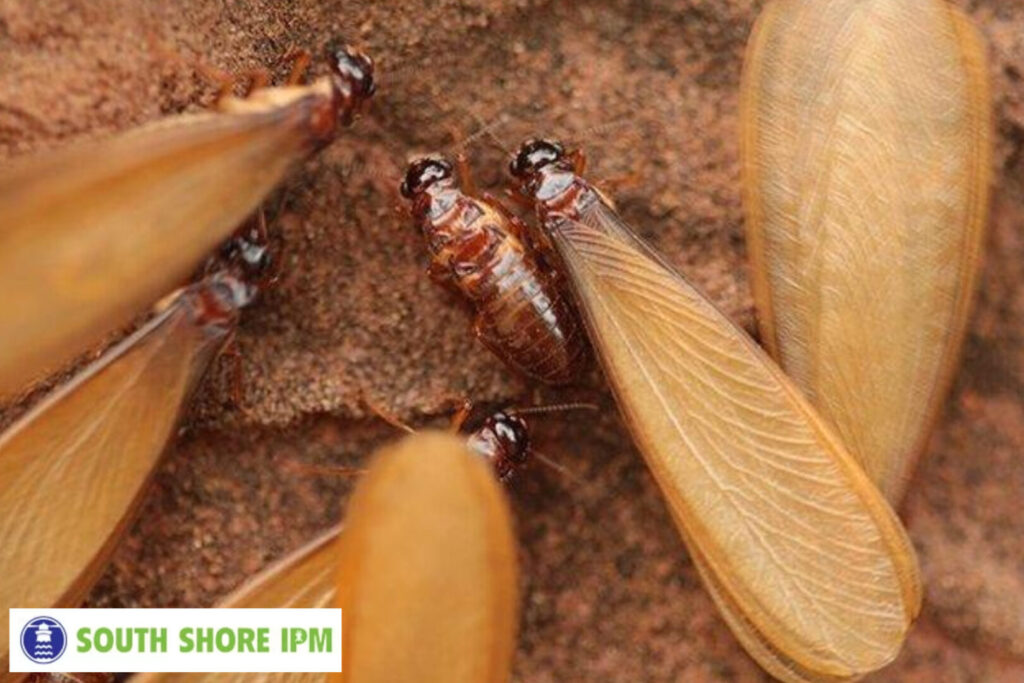
Termites have straight antennae, a broad waist, and wings of equal length. Ants have elbowed antennae, a pinched waist, and wings of unequal length. If you aren’t sure, our skilled technicians can provide a definitive ID.
Is the Sentricon system safe for my dogs?
Yes. We use pet-safe products, and the Sentricon stations are securely locked and placed underground, making them inaccessible to curious pets while providing constant protection against termites.
How much does termite treatment cost?
Our mouse and general pest packages start at $29.99/month, but termite solutions are tailored to the linear footage of your home. We offer $50 off full-season packages and provide specialized discounts for Military, Seniors, Teachers, and First Responders.
Secure Your Home with South Shore IPM
Don’t wait until the damage is done. Establish a robust defense perimeter today with South Shore IPM. Our friendly and professional staff are always ready to assist you and address your concerns. Your peace of mind is our top priority. Take the first step toward total protection. Schedule your free estimate.