How to Protect Your Quincy, MA Home From Seasonal Pests: A Local’s Guide
Homeowners can reduce seasonal pest problems by inspecting their properties, sealing potential entry points, controlling moisture, and removing accessible food and water sources. Because different pests become more active at different times of the year, prevention should address the conditions most likely to attract them during each season.
In Quincy, changing temperatures, rainfall, and humidity can influence pest activity around homes. Preparing your property throughout the year can help reduce opportunities for pests to enter, nest, and establish infestations.
Why Does Pest Activity Change With the Seasons?
Pest behavior is influenced by temperature, moisture, food availability, and access to shelter. As outdoor conditions change, insects and rodents may become more active in certain areas or seek different environments.
For example, warmer weather can support increased activity among ants, mosquitoes, and other insects. During colder months, mice and rats may seek sheltered spaces inside buildings where they can find warmth, food, and nesting materials.
However, seasonal patterns do not mean pests disappear during certain months. Some species remain active throughout the year, particularly when indoor conditions provide suitable shelter and resources.
Understanding these changes helps homeowners prioritize the right preventive measures instead of waiting until pests become noticeable.
How Can You Prepare Your Home for Pests in Each Season?
Seasonal prevention works best when homeowners adjust their maintenance routines as outdoor conditions change. Here are practical steps to consider throughout the year.
Spring: Inspect for Early Insect Activity
As temperatures begin to rise, insects may become more active around foundations, gardens, and other outdoor areas. Spring is a good time to inspect your property for conditions that could support pest activity during the warmer months.
Common pests to watch for:
- Ants searching for food and moisture indoors
- Termites becoming more noticeable during swarming periods
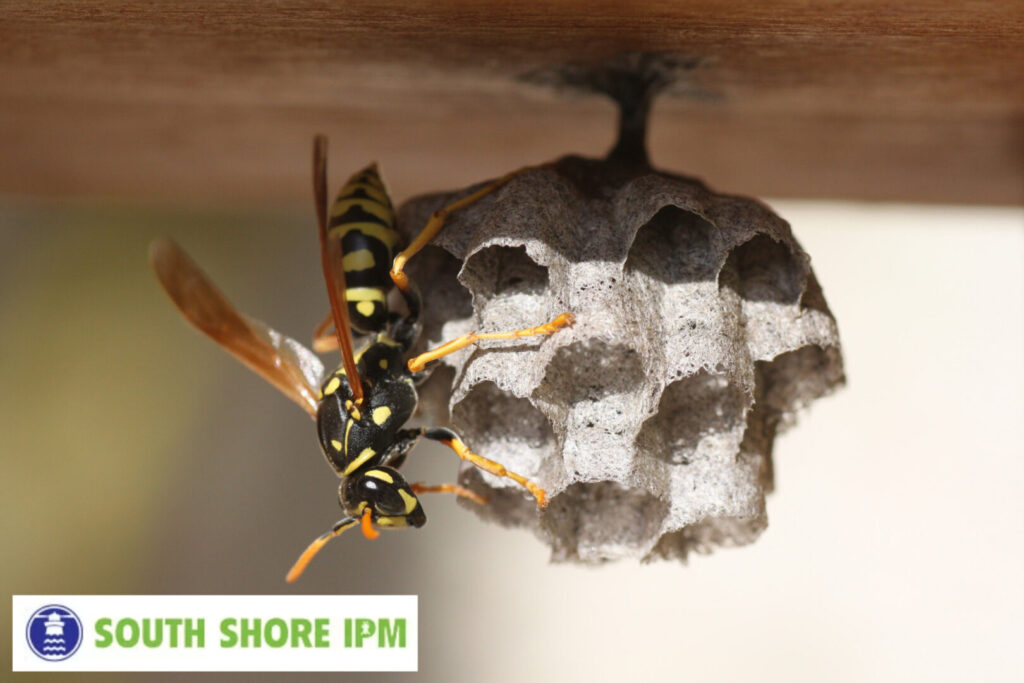
- Wasps beginning to establish nests
- Mosquitoes developing in areas where water collects
Spring prevention checklist:
- Inspect your foundation. Look for cracks, gaps, and openings around the exterior that could allow insects to enter.
- Check doors and windows. Repair damaged screens and replace worn weatherstripping.
- Clean gutters and downspouts. Remove accumulated leaves and debris that may interfere with drainage.
- Address moisture problems. Repair leaking outdoor faucets and check areas where water collects near the house.
- Inspect wooden structures. Look for possible termite signs, including mud tubes, discarded wings, and damaged wood.
- Check outdoor fixtures. Inspect eaves, porches, and sheltered corners for early wasp nest activity.
Early inspections can help identify potential problems before pest activity becomes more established.
Summer: Reduce Mosquitoes and Outdoor Pest Activity
Warm temperatures and rainfall can create favorable conditions for many insects. Mosquitoes are especially associated with standing water because they use suitable water sources to lay their eggs.
Other pests, including ants, wasps, and ticks, may also become more noticeable around yards, gardens, and outdoor gathering areas.
Common pests to watch for:
- Mosquitoes around standing water
- Ants entering kitchens and other food-storage areas
- Wasps nesting beneath eaves and outdoor structures
- Ticks in tall grass, brush, and wooded areas
Summer prevention checklist:
- Remove standing water. Empty water from buckets, plant saucers, toys, and other outdoor containers.
- Maintain your yard. Keep grass trimmed and remove unnecessary piles of leaves or debris.
- Check outdoor gathering areas. Inspect decks, sheds, fences, and roof overhangs for insect activity.
- Store food securely. Keep outdoor food and garbage covered to avoid attracting ants and other pests.
- Maintain window screens. Repair holes that could allow mosquitoes and other insects inside.
- Reduce tick-friendly conditions. Keep vegetation managed and use appropriate personal protection when spending time in wooded or grassy areas.
After periods of heavy rainfall, check your property again for containers or low areas where water may have accumulated.
Fall: Prevent Rodents From Entering Your Home
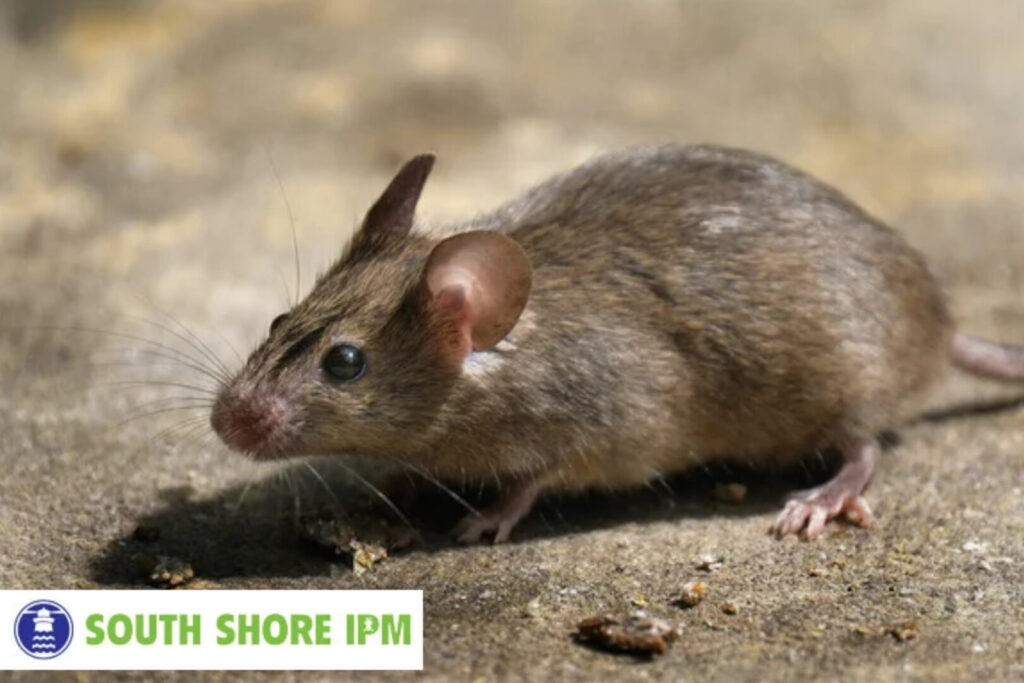
As outdoor temperatures begin to drop, mice and rats may look for sheltered locations with access to food and nesting materials. Small openings around foundations, doors, utility lines, and roof areas can provide access to indoor spaces.
Fall is an important time to inspect your property before colder weather increases the appeal of indoor shelter.
Common pests to watch for:
- Mice and rats seeking indoor shelter
- Spiders moving into garages, basements, and storage areas
- Overwintering insects gathering around exterior walls and windows
Fall prevention checklist:
- Seal exterior gaps. Check openings around pipes, cables, vents, and utility connections.
- Inspect garage doors. Make sure the door closes properly and that damaged seals are repaired.
- Check the roofline. Look for gaps around soffits, vents, and other openings.
- Store food properly. Keep pantry items and pet food in sealed, pest-resistant containers.
- Manage outdoor debris. Remove leaf piles and unnecessary materials near the foundation.
- Inspect storage areas. Look for droppings, gnaw marks, nesting materials, and other signs of rodent activity.
Rodents can fit through surprisingly small openings, so sealing visible gaps and checking less obvious access points are both important.
Winter: Monitor Indoor Pest Activity
Cold weather may reduce the outdoor activity of some insects, but it does not eliminate the possibility of an indoor infestation. Heated buildings can provide rodents and certain insects with favorable conditions throughout the winter.
Basements, attics, garages, wall voids, and storage areas deserve particular attention because pests may remain hidden in these spaces.
Common pests to watch for:
- Mice and rats nesting in concealed areas
- Spiders in undisturbed storage spaces
- Cockroaches in warm areas with access to food and moisture
Winter prevention checklist:
- Inspect basements and attics. Look for droppings, damaged insulation, nesting materials, and unusual activity.
- Keep storage areas organized. Avoid leaving cardboard boxes and clutter undisturbed for long periods.
- Check plumbing areas. Look for leaks and excess moisture beneath sinks and around appliances.
- Maintain kitchen cleanliness. Clean crumbs, secure food, and empty garbage regularly.
- Monitor unusual sounds. Scratching or movement inside walls and ceilings may warrant further inspection.
- Recheck entry points. Make sure previously sealed gaps and damaged weatherstripping remain intact.
If you continue finding signs of rodents or other pests despite preventive efforts, a closer inspection may help identify where they are nesting or entering.
What Conditions Around Your Property Attract Seasonal Pests?
Seasonal changes influence pest behavior, but the condition of a property also plays an important role. Certain features can provide insects and rodents with the food, moisture, and shelter they need.
Excess Moisture and Poor Drainage
Leaking pipes, clogged gutters, poor drainage, and standing water can create favorable conditions for certain pests. Mosquitoes need suitable water sources to reproduce, while some insects are more likely to occupy damp areas.
Repair leaks, maintain drainage systems, and remove unnecessary standing water whenever possible.
Gaps Around the Exterior
Small openings around foundations, windows, doors, utility lines, and roof structures can give pests access to indoor spaces.
Inspect these areas regularly and use appropriate materials to seal gaps. Larger openings or damaged structural components may require professional repair.
Unmanaged Landscaping
Overgrown vegetation, leaf piles, and accumulated debris can provide shelter for insects and other pests. Plants touching exterior walls may also create easier access to parts of the structure.
Keep vegetation trimmed, remove unnecessary debris, and maintain a clear area around the foundation.
Accessible Food and Garbage
Uncovered trash, food residue, and improperly stored pantry items can attract rodents, ants, cockroaches, and other pests.
Use secure garbage containers, clean food preparation areas, and store dry goods in tightly sealed containers.
What Warning Signs Should Homeowners Look For?
Pests are not always visible when they first enter a property. Some remain inside walls, beneath floors, in attics, or in other concealed spaces.
Recognizing early signs can help homeowners determine whether further inspection is necessary.
Watch for:
- Droppings: Small dark droppings in cabinets, garages, basements, or along walls may indicate rodent activity.
- Gnaw marks: Chewed packaging, wood, insulation, or wiring may suggest mice or rats are present.
- Mud tubes: Narrow mud structures along foundations or wooden components may indicate termite activity.
- Discarded wings: Piles of insect wings near windows or doors may be associated with termite swarming.
- Nesting materials: Shredded paper, fabric, insulation, or other materials may indicate rodents are building nests.
- Repeated insect sightings: Regular sightings in the same areas may indicate an established source or entry point.
- Unusual sounds: Scratching or movement inside walls and ceilings may suggest hidden pest activity.
One sign alone does not always confirm an infestation. A professional inspection can help identify the pest and determine whether the activity is current.
When Should You Contact a Pest Control Professional?
Routine maintenance can reduce many conditions that attract pests, but some situations require more than household prevention. Hidden nests, recurring activity, and structural damage can be difficult to address without identifying the source.
Homeowners searching for pest control in Quincy may benefit from a professional inspection when they repeatedly notice pests or discover signs of activity in concealed areas.
Consider contacting a professional when:
- You continue seeing pests despite improving sanitation and sealing accessible openings.
- You find repeated rodent droppings or evidence of nesting.
- You suspect termite activity or notice unexplained wood damage.
- You discover a wasp nest in an area where people regularly walk or gather.
- You hear recurring scratching or movement inside walls, ceilings, or attic spaces.
- You cannot determine where pests are entering or nesting.
When comparing options for pest control in Quincy, MA, look for a provider that can explain the inspection findings, identify the pest, and recommend appropriate control and prevention measures.
A professional exterminator in Quincy should be able to explain which conditions may be contributing to the problem and whether treatment, exclusion, monitoring, or a combination of methods is appropriate.
How Do Professionals Identify and Address Seasonal Pest Problems?
Professional pest management begins with understanding the pest activity and the conditions supporting it. Rather than treating every seasonal pest concern the same way, technicians consider the species, location, signs of activity, and property conditions.
Inspecting the Property
An inspection may include checking foundations, exterior walls, doors, windows, rooflines, utility openings, attics, basements, and other areas where pests may enter or hide.
Technicians look for evidence such as droppings, nests, damaged materials, insect activity, and moisture-related conditions.
Identifying the Pest and Contributing Conditions
Different pests require different management approaches. Identifying the species helps determine its behavior, likely nesting locations, and the most appropriate next steps.
For example, rodent activity may require attention to entry points and nesting areas, while mosquito concerns may involve identifying and addressing water sources.
Recommending Appropriate Control Measures
Recommendations depend on the pest, level of activity, and property conditions. Management may involve targeted treatments, monitoring, exclusion recommendations, sanitation improvements, or other appropriate measures.
An integrated pest management (IPM) approach combines inspection, prevention, monitoring, and suitable control methods. This helps address both existing pest activity and the conditions that may contribute to recurring problems.

Frequently Asked Questions
1. Which Pests Are Most Active During Each Season?
Ants, termites, and some other insects may become more noticeable during spring. Mosquitoes, ticks, and wasps are common warm-weather concerns. Rodents may seek indoor shelter as temperatures cool, while some pests can remain active inside heated buildings during winter.
2. When Should Homeowners Start Preparing for Spring Pests?
Begin with an exterior inspection as temperatures start warming. Check foundations, windows, doors, drainage systems, and areas where water collects. Addressing potential entry points and moisture problems early can help reduce favorable conditions for pests.
3. Why Do Rodents Try to Enter Homes During Colder Months?
Mice and rats may seek warmer, sheltered locations with access to food and nesting materials as outdoor temperatures drop. Small openings around foundations, doors, utility lines, and roof structures can provide access.
4. How Can Homeowners Reduce Mosquito Activity During Summer?
Remove standing water from outdoor containers, clean gutters, maintain drainage, and regularly inspect areas where water collects. Reducing suitable breeding sites can help limit mosquito activity around a property.
5. What Areas of a Home Should Be Checked for Seasonal Pest Entry Points?
Inspect foundations, doors, windows, rooflines, vents, utility openings, garages, attics, and basements. Look for gaps, damaged seals, droppings, nesting materials, and other signs of pest activity.
Protect Your Home From Seasonal Pest Problems
Seasonal prevention can help homeowners reduce conditions that attract pests and recognize potential problems before they become more difficult to manage. South Shore IPM encourages regular inspections, proper maintenance, and timely action to help maintain a healthier home environment.
We can help assess pest concerns and recommend appropriate next steps for your property. Call us now to discuss your concerns and request an inspection.
LEARN MORE HERE:
How to Tell if You Have a Pest Infestation in Your Home
How Pest Control Services Can Help Protect Your Home and Health
Why Year-Round Pest Control Is a Smart Investment for Your Home