Why Our Pest Control Services Are the Right Choice for Your Home
DIY pest control may help with minor pest problems, but recurring infestations, hidden nesting areas, and property damage often require professional attention. Pest control professionals identify the source of the problem, assess its severity, and recommend appropriate treatments to address both existing activity and potential entry points. Knowing when to handle a pest issue yourself and when to seek professional help can save time and prevent the problem from becoming more difficult to manage.
When Should You Consider Professional Pest Control?
Not every pest sighting requires professional treatment. However, certain situations indicate that a problem may be more serious than it initially appears. Recognizing these warning signs can help homeowners determine when additional support is necessary.
Consider contacting a professional when:
- Pest activity keeps returning: Repeated sightings after DIY treatments may indicate that nesting areas or entry points remain unaddressed.
- You notice property damage: Gnawed materials, damaged wood, and chewed wiring may indicate activity from rodents or wood-damaging insects.
- Pests are spreading: Seeing pests in multiple rooms or different areas of your property may suggest a larger infestation.
- You cannot identify the pest: Different insects and rodents require different management approaches, making accurate identification important.
- DIY treatments provide limited results: Temporary reductions in pest activity do not always mean the underlying problem has been resolved.
Addressing these issues early can help prevent further damage and reduce the likelihood of recurring infestations.
Why Do DIY Pest Control Methods Sometimes Fail?
DIY treatments can be useful for certain minor pest concerns, but they do not always address the conditions responsible for an infestation. Applying a product to visible pests may reduce activity temporarily without reaching hidden nesting areas or correcting the factors attracting them.
Several issues can limit the effectiveness of DIY pest control.
Incorrect Pest Identification
Different pests have different nesting habits, food sources, and behaviors. For example, carpenter ants and termites can both damage wood, but they require different identification and treatment approaches.
Misidentifying the pest may lead homeowners to choose an unsuitable product or apply treatment in the wrong areas. Proper identification helps determine which methods are appropriate for the specific problem.
Hidden Nesting Areas
Many pests spend much of their time in places homeowners rarely inspect. Rodents may nest inside wall voids, while insects can hide beneath flooring, behind appliances, or around structural openings.
Treating only visible pests may leave these hidden populations undisturbed. Professional inspections help identify where activity is occurring and which areas need attention.
Untreated Entry Points
Even after reducing an existing infestation, pests may continue entering through gaps around doors, windows, foundations, vents, and utility openings.
Without addressing these access points, new pests can enter and create recurring problems. Identifying structural vulnerabilities is an important part of effective pest management.
Incorrect Product Selection or Application
Different products are designed for specific pests and situations. Using an unsuitable product or failing to follow its label instructions may reduce effectiveness and create unnecessary exposure risks.
Homeowners should always follow product directions and avoid combining treatments without professional guidance.
How Do Professionals Identify and Treat Pest Problems?
Professional pest management involves more than addressing the insects or rodents homeowners can see. Technicians assess the property, identify signs of activity, and determine which conditions may be contributing to the infestation.
The process generally involves several steps.
1. Inspecting the Property
Technicians examine areas where pests are commonly found, including kitchens, basements, attics, garages, foundations, and exterior openings.
They look for droppings, nesting materials, gnaw marks, damaged wood, insect activity, and other signs that help identify the problem.
2. Identifying the Pest and Its Activity
Once potential activity is located, technicians determine which pest is involved and assess how widespread the problem may be.
They also consider environmental conditions, available food sources, moisture, and possible nesting areas that could encourage continued activity.
3. Recommending an Appropriate Treatment Plan
Treatment recommendations depend on the pest, infestation severity, and property conditions.
Some situations may require targeted applications, while others benefit from exclusion methods, monitoring, sanitation improvements, or a combination of approaches.
4. Addressing Conditions That Attract Pests
Professional recommendations may include sealing gaps, repairing damaged screens, removing standing water, improving food storage, and reducing clutter.
These preventive measures help make the property less attractive to unwanted pests.
5. Monitoring and Follow-Up
Certain infestations require continued attention rather than a single treatment. Follow-up visits allow technicians to evaluate pest activity, assess treatment results, and recommend adjustments when necessary.
For homeowners considering pest control in Weymouth, MA, understanding this process can help set realistic expectations about what professional service involves.
What Are the Benefits of Professional Pest Management?
Professional pest management offers several advantages when an infestation becomes difficult to handle independently.
More Accurate Pest Identification
Correct identification helps determine the appropriate response. Professionals can distinguish between pests with similar appearances but different behaviors and treatment requirements.
Targeted Treatment Recommendations
Rather than relying on a general approach, technicians consider the pest species, affected areas, and property conditions before recommending treatment.
Attention to Hidden Activity
Professional inspections can uncover signs of pest activity in locations homeowners may overlook, including crawl spaces, wall openings, attics, and exterior entry points.
Preventive Recommendations
Effective pest management also considers what may attract pests or allow them to enter. Recommendations involving sanitation, moisture control, landscaping, and exclusion can help reduce future activity.
Ongoing Monitoring
For recurring or seasonal pest concerns, scheduled visits can help identify changes in activity and determine whether additional attention is necessary.
What Should You Consider When Choosing a Pest Control Company?
Choosing a pest control in Weymouth requires more than comparing prices. Homeowners should understand the company’s qualifications, inspection practices, treatment options, and approach to customer service.
Consider these factors before making a decision:
- Licensing and qualifications: Verify that the company and its technicians meet applicable state licensing requirements.
- Inspection practices: Choose a provider that evaluates the property instead of recommending the same treatment for every situation.
- Treatment transparency: The company should explain its recommendations, application methods, and any necessary preparation or safety instructions.
- Pest management experience: Ask whether the provider has experience addressing the specific pest problem affecting your property.
- Follow-up support: Find out whether monitoring, additional visits, or preventive recommendations are available.
- Customer communication: A dependable provider should answer questions, explain expectations, and keep customers informed throughout the service process.
Homeowners comparing an exterminator in Weymouth should also ask how the company approaches recurring infestations and whether its recommendations address the conditions contributing to pest activity.
When Should You Contact a Professional Pest Control Technician?
Some pest problems are difficult to evaluate without the right experience and inspection methods. Contact a professional when you notice signs that an infestation may be spreading, causing damage, or returning despite your efforts.
You should consider an inspection if you notice:
- Repeated rodent sightings or scratching sounds inside walls and ceilings.
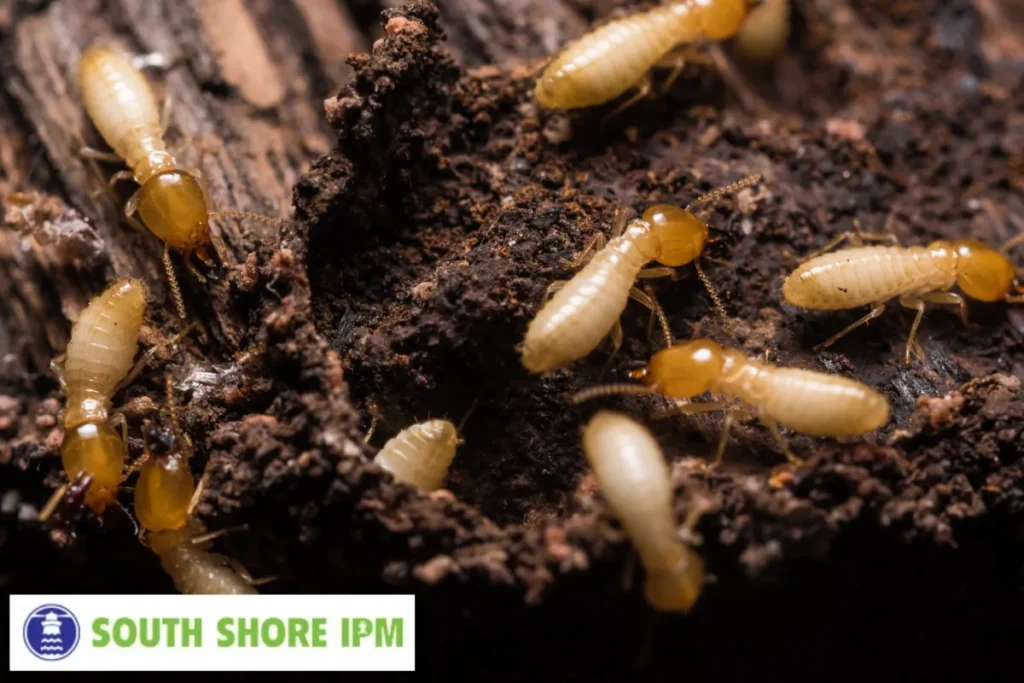
- Termite mud tubes, damaged wood, or discarded wings near windows.
- Ant trails that continue appearing despite cleaning and preventive efforts.
- Wasp or hornet nests near entrances or frequently used outdoor areas.
- Recurring insect activity in kitchens, bathrooms, basements, or other damp spaces.
Avoid disturbing potentially dangerous nests or handling unidentified pests yourself. A qualified technician can assess the situation and recommend an appropriate course of action.
Frequently Asked Questions
1. Is Professional Pest Control Better Than DIY Treatments?
Professional pest control can be more effective for recurring or widespread infestations because technicians identify the pest, inspect affected areas, and recommend targeted solutions. DIY methods may still be suitable for certain minor pest concerns.
2. How Long Does Professional Pest Control Take to Work?
Results depend on the pest species, infestation severity, treatment method, and property conditions. Some pest activity may decrease quickly, while other infestations require multiple visits and continued monitoring.
3. Do Pest Control Professionals Inspect the Entire Property?
The inspection depends on the pest problem and service being requested. Technicians may examine both interior and exterior areas, focusing on locations where pests are active or may gain access.
4. Can Professional Pest Control Prevent Pests From Returning?
Professional pest management can help reduce recurring activity through appropriate treatments, monitoring, and preventive recommendations. However, results also depend on property maintenance and whether conditions attracting pests are addressed.
5. How Often Should I Schedule Professional Pest Control?
Service frequency depends on the pest involved, property conditions, seasonal activity, and the level of protection needed. Some homeowners benefit from recurring service plans, while others may only need treatment for a specific infestation.
Protect Your Home With Professional Pest Management
Pest problems do not always disappear after a single treatment, especially when hidden nesting areas or entry points remain. Understanding the source of an infestation and addressing the conditions that attract pests can make a meaningful difference in protecting your property.
Professional inspections and appropriate treatment recommendations from South Shore IPM can help homeowners manage existing pest activity and reduce the chances of recurring problems.
Need Help With a Pest Problem?
Contact us today to discuss your pest concerns and request a professional inspection. Our team is ready to help you find an appropriate solution for your home or business.
LEARN MORE HERE:
How Pest Control Services Can Help Protect Your Home and Health