How Does Integrated Pest Management (IPM) Improve the Effectiveness of Professional Pest Control
Integrated Pest Management (IPM) improves professional pest control effectiveness by shifting focus from reactive chemical spraying to long-term preventative biological, mechanical, and environmental controls. By addressing pest root causes, such as harborage access, moisture leaks, and food sources, IPM breaks infestation cycles while reducing pesticide resistance and environmental risk.
Dealing with pests inside a home or business can feel like an endless battle. Many property owners turn to quick DIY solutions or traditional extermination methods that rely heavily on synthetic sprays. While a quick surface treatment might knock down the insects you can see today, pests almost always return a few weeks later. This happens because standard sprays address only the symptoms of an infestation rather than the underlying conditions that attracted the pests in the first place.
Integrated Pest Management, commonly known as IPM, fundamentally changes how professionals handle pest issues. Instead of applying broad treatments inside living spaces, IPM treats the building and surrounding property as a complete ecosystem. By combining careful species identification, structural repairs, moisture control, and targeted perimeter barriers, IPM creates an environment where pests simply cannot thrive.
Understanding how IPM works helps homeowners make smart, eco-friendly choices for long-term home protection. Here is a clear look at how an IPM approach compares to conventional methods, the core steps involved, common industry myths, and how professional eco-conscious care keeps your family safe year-round.
Traditional Chemical Treatments vs. Holistic IPM Framework
Comparing traditional reactive spraying with a holistic IPM program highlights why fixing root causes yields far better long-term results for your property.
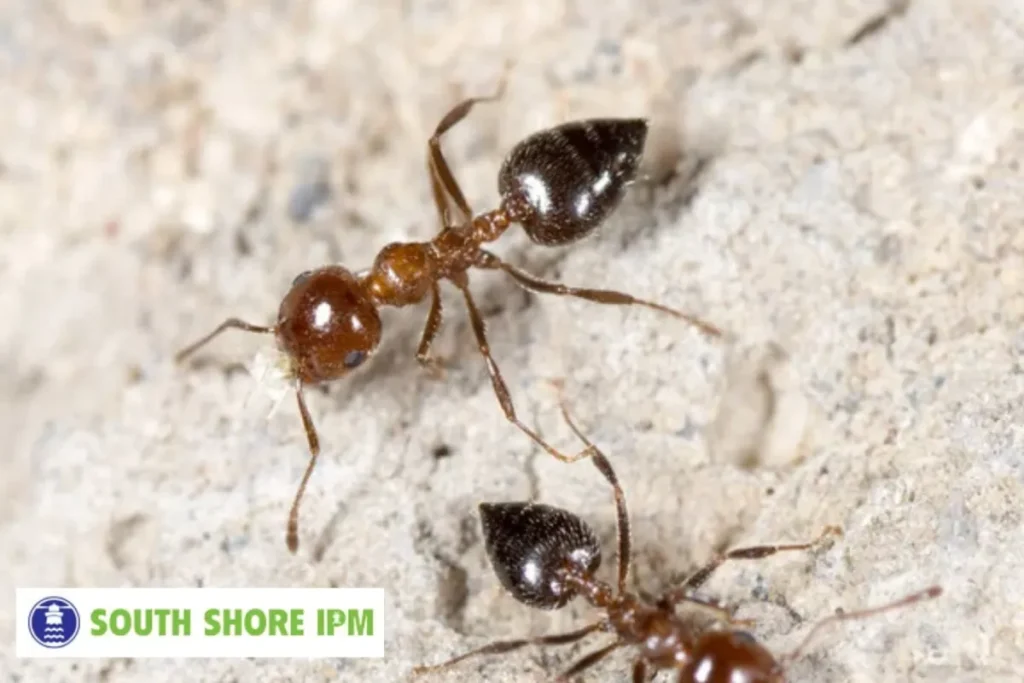
During a recent property audit for a family in Pembroke, our technicians examined a kitchen where ants kept returning every summer. The homeowner had tried several off-the-shelf sprays along the baseboards, but worker ants kept showing up near the sink. By applying IPM principles, our team identified small plumbing moisture leaks behind the cabinets and unsealed gaps along the exterior foundation edge. Once we addressed the moisture and sealed the entry points, the ant activity stopped completely without needing indoor treatments.
Here is how conventional reactive spraying compares to a professional IPM framework:
| Pest Control Dimension | Conventional Reactive Spraying | Professional Integrated Pest Management (IPM) |
| Primary Focus | Eradicating visible adult pest populations | Eliminating root causes, entry points, and breeding attractants |
| Pesticide Resistance Risk | High; repeated synthetic sprays select for resistant strains | Minimal; multi-modal control tactics preserve chemical efficacy |
| Environmental Impact | Broad indoor/outdoor synthetic chemical footprint | Low; targeted micro-applications and eco-conscious barriers |
| Long-Term Efficacy | Low; pests return as soon as surface chemical residues decay | High; structural exclusion and sanitation yield lasting suppression |
| Inspection Rigor | Visual surface assessment of active problem areas | Micro-gap audits, moisture mapping, and species tracking |
The 5 Core Execution Pillars of Professional IPM Programs
A successful IPM program relies on a structured, multi-step process that systematically removes pest attractants and fortifies your building against future invasions.
1. Comprehensive Species Identification & Structural Audit
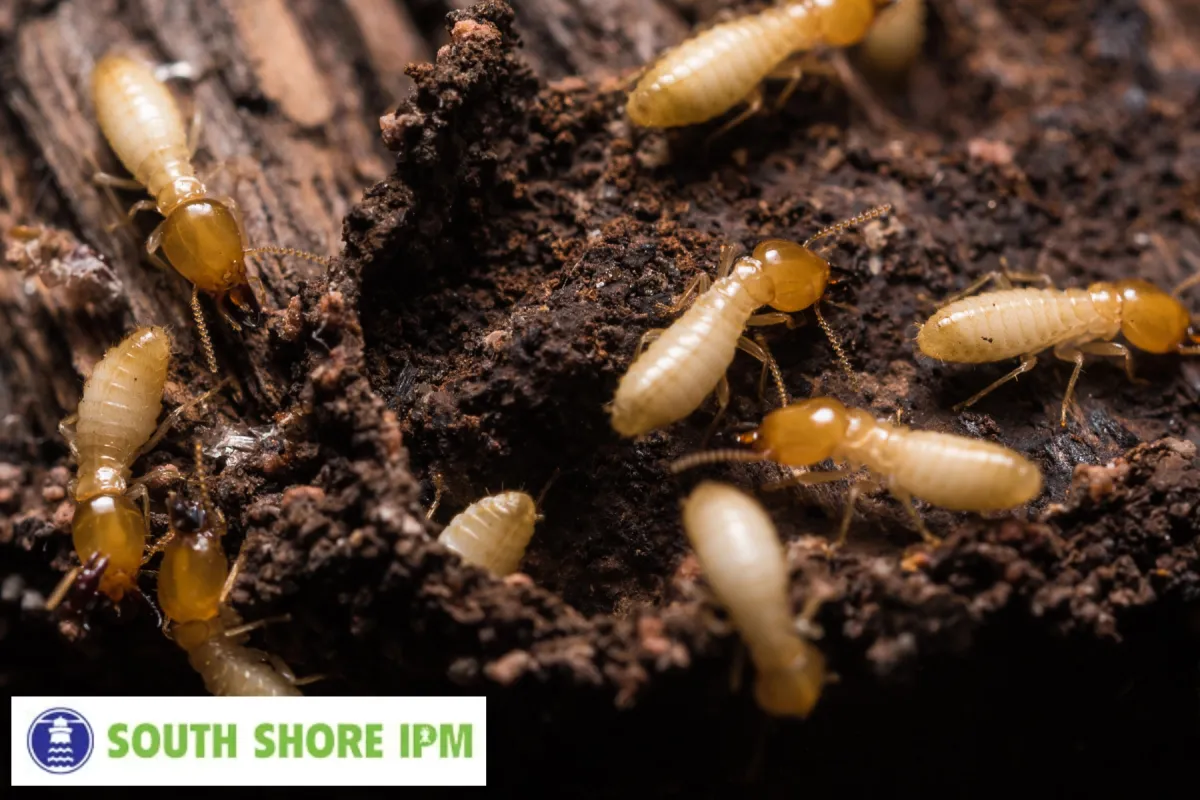
Licensed technicians conduct thorough inspections to identify exact pest species, track movement pathways, and locate hidden harborage areas. Pinpointing whether you are dealing with carpenter ants, mice, or subterranean termites dictates the entire strategy.
2. Establishment of Action Thresholds
Technicians establish clear action thresholds to determine when pest activity requires direct intervention. This ensures treatments are applied thoughtfully based on actual health, safety, or structural risk rather than routine calendar spraying.
3. Mechanical Exclusion & Environmental Modification
Technicians seal exterior foundation cracks, repair leaking pipes, trim overhanging tree branches, and install heavy-duty door sweeps. Removing food, water, and shelter stops pests before they ever set foot indoors.
4. Targeted Biological & Biorational Controls
When active pest management is required, professionals prioritize targeted gel baits, insect growth regulators (IGRs), and botanical dusts applied directly into hidden wall voids where pests hide.
5. Continuous Pest Population Monitoring & Adaptive Re-Evaluation
Technicians place discreet monitoring stations and evaluate property conditions during routine follow-ups. Adjusting exterior defenses seasonally keeps pests out as weather patterns shift.
Applying Our South Shore IPM Protocol to Solve This
At South Shore IPM, we believe that effective pest management should always prioritize your family’s safety, your pets’ well-being, and the environment. Drawing on over 50+ years of experience, our friendly, knowledgeable team focuses on delivering a high-quality treatment through custom exterior strategies rather than heavy product applications inside your living spaces.
We prioritize exceptional customer service, taking the time to listen to your concerns, explain our process clearly, and provide dependable solutions tailored to your property. By using eco-friendly and pet-safe products combined with smart structural exclusion, we deliver powerful protection while giving you complete peace of mind. Homeowners trust our pest control in Pembroke, MA for effective, long-lasting pest management that puts the safety of families, pets, and properties first.
Here is how our comprehensive IPM approach protects your home:
- Preventative and Responsive Treatments: We combine preventative and responsive treatments to handle current pest issues while building a durable protective shield around your structure to stop future invasions.
- Thorough Property Audits: Our technicians carefully inspect your foundation, eave lines, utility penetrations, and landscape features to identify harborage points and moisture buildup before pests become a major issue.
- Customized Exterior Barriers: We focus our treatment applications on the exterior perimeter of your home. Creating a strong outer barrier stops crawling insects, rodents, and stinging pests before they reach your indoor living areas.
- Low-Impact Indoor Solutions: On the rare occasion that interior treatments are necessary, we use targeted, non-repellent micro-dusts and gel baits placed safely inside wall voids and cabinet hinges away from children and pets.
While helping a business owner who was struggling with recurring rodent activity near their storage bays, our team identified unsealed utility gaps and outdoor trash placement as the root causes. By sealing the structure, repositioning waste containers, and establishing an exterior monitoring perimeter, we solved the problem cleanly without disrupting daily operations.
Debunking the Myth: “IPM Avoids Using All Pesticides”
A widespread myth in the Pembroke pest control industry is that an Integrated Pest Management program completely bans the use of all pest treatments and relies solely on natural remedies.
Here is the truth behind professional IPM care:
- Strategic Tool, Not First Choice: IPM does not eliminate protective products; instead, it uses them as a deliberate, targeted tool after mechanical exclusion, sanitation, and physical repairs have been established.
- Targeted Application Over Broad Spraying: Traditional extermination often relies on spraying open floorboards and baseboards. In contrast, IPM utilizes non-repellent formulations, gel baits, and targeted void applications that affect target pests directly while keeping exposed surfaces clean.
- Long-Term Efficacy: Using products strategically as part of a broader IPM program prevents pests from developing resistance to specific active ingredients, ensuring long-term success for years to come.
Technical Specifications & Methodological Glossary
Understanding key IPM terms helps property owners make informed decisions when selecting a long-term pest management strategy:
Action Threshold
The specific population level at which pest activity poses a health, safety, or structural risk that warrants active management interventions.
Insect Growth Regulator (IGR)
A targeted, low-impact treatment that mimics natural insect hormones, disrupting molting cycles and preventing young pests from reproducing.
Mechanical Exclusion
The physical sealing of cracks, gaps, weep holes, and utility openings using durable materials like copper mesh, silicone sealants, and metal flashing to block entry.
Biorational Products
Pest control materials formulated from natural substances or micro-organisms that target specific pest biology while remaining safe for mammals, birds, and non-target organisms.
People Also Ask (FAQ)
Why is Integrated Pest Management considered safer for homes with kids and pets?
IPM prioritizes non-chemical methods like sealing entry points and fixing moisture leaks first. When active treatments are necessary, technicians use eco-friendly and pet-safe products applied deep inside wall voids or exterior perimeters rather than open floor surfaces.
How does IPM prevent pests from becoming immune to treatments?
By combining physical barriers, landscape modifications, sanitation, and rotating different targeted products, IPM prevents pest populations from adapting or building up resistance to a single treatment method.
Is an IPM approach more effective than hiring a standard exterminator?
Yes. Traditional extermination often relies on short-term surface sprays that require constant reapplication. An IPM approach delivered by a skilled exterminator fixes underlying structural entry points and environmental attractants for lasting protection.
Elevate Your Property Defense with Complete IPM Protection
Relying on quick chemical sprays offers only temporary relief while leaving your structure open to recurring pest problems. Integrated Pest Management turns pest control into an effective, science-backed strategy that stops infestations at the source.
At South Shore IPM, we are dedicated to providing friendly, customer-focused pest management for homeowners and local businesses. Our experienced team emphasizes safety, eco-friendly practices, and customized exterior barriers to ensure your property remains comfortable, safe, and pest-free.
Whether you need targeted, seasonal pest prevention or help addressing an active infestation, we are here to deliver dependable care with a personal touch. Trust our experienced team as your exterminator in Pembroke, MA to protect your home and family with customized solutions designed for long-term success.
Ready to protect your property with smart, eco-friendly pest management? Contact us today to schedule your consultation or request a free quote with South Shore IPM!