Why Trap Shyness Happens in Rats and How Pre-Baiting Overcomes It
Trap shyness occurs because rats are biologically programmed with neophobia, an evolutionary fear of new objects that helps them avoid predators. To overcome this avoidance, pre-baiting involves placing non-toxic food on unset traps for several days to condition the animal to view the device as a safe food source. Once the rodents feed confidently and their natural suspicion drops, the traps are set for a high-rate, efficient capture.
The Biology of Avoidance: Why Rats Won’t Go Near Your Traps
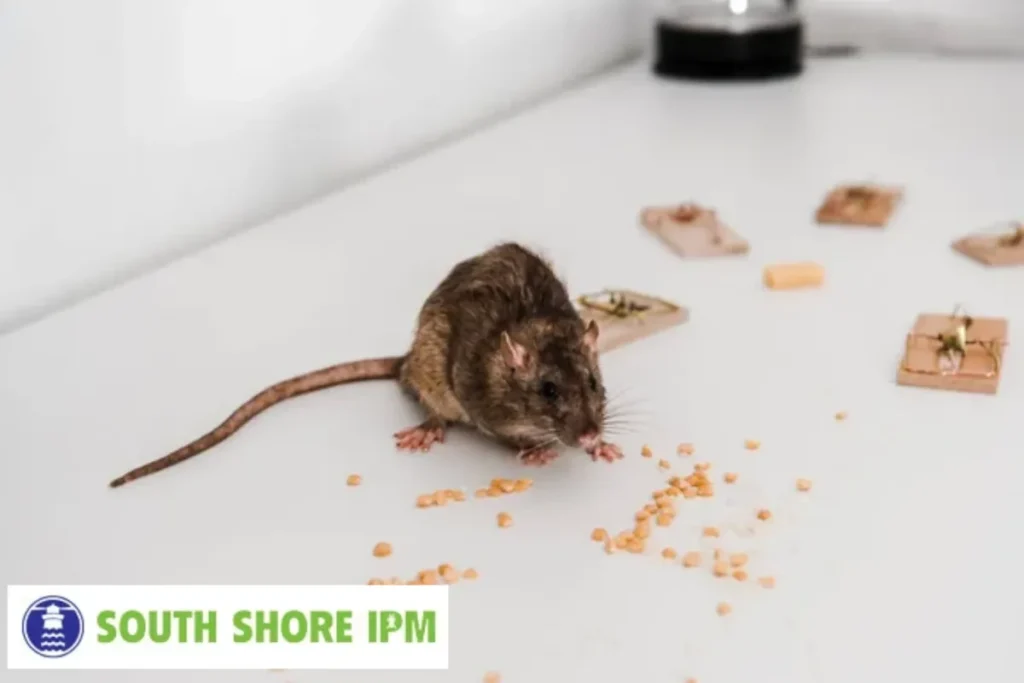
If you have ever set a trap only to find it snapped empty or completely ignored, you have witnessed “trap shyness.” This isn’t just bad luck; it is a sophisticated survival strategy known as neophobia. In the wild, a rat that rushes toward a new object often ends up dead, so they have evolved to avoid anything new in their environment for days or even weeks. When we perform rodent removal in Boston, MA, we often see rats navigate around a newly placed trap with surgical precision because they recognize a change in their territory.
Key Factors That Trigger Trap Shyness
- Physical Changes: A new object blocking a known “runway” or path.
- Scent Signals: The smell of human oils or detergents on the trap.
- Near-Misses: If a rat is “nipped” by a trigger but escapes, it becomes trap-smart and warns the colony using stress pheromones.
Comparison: Immediate Trapping vs. Strategic Pre-Baiting
| Feature | Immediate Trapping | Pre-Baiting Strategy |
| Success Rate | Low catches only the “bold” or young rats. | High captures the cautious “alpha” rats. |
| Rat Perception | Immediate Threat. | Reliable Food Source. |
| Colony Impact | May cause the colony to relocate or hide. | Acclimatize the whole group for a clean sweep. |
| Risk of Failure | High (creates trap-smart survivors). | Low (builds trust through feeding). |
The Step-by-Step Pre-Baiting Protocol
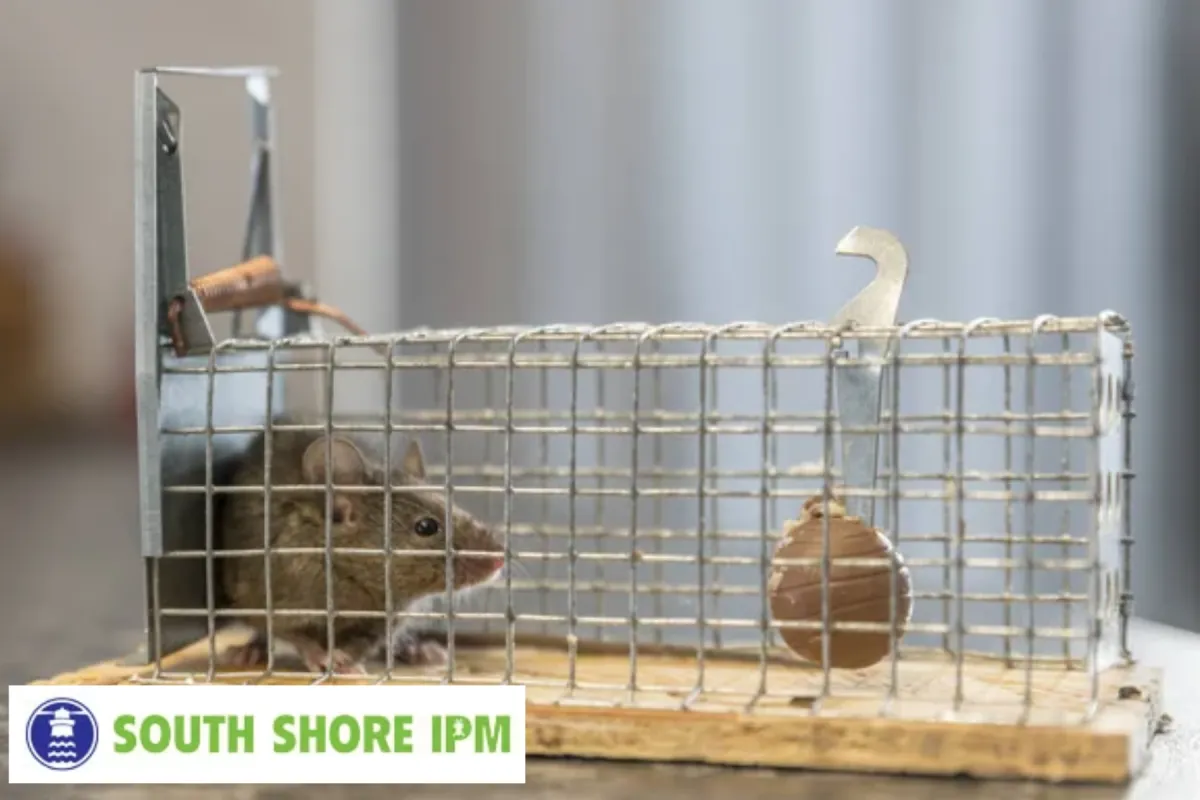
Pre-baiting is the process of “teaching” the nuisance that the trap is a dinner plate rather than a threat. During a recent service visit for a family in Boston, our team demonstrated how this patience pays off by leaving traps unset but loaded with high-quality bait for several nights. This method is essential for effective rat control in Boston, MA, ensuring the traps are more likely to catch the rodents when they’re finally set.
- Placement: Position traps along active runways where sebum (grease) marks are visible.
- The Free Meal: Apply a lure, like peanut butter, but do not engage the spring.
- Trust Building: Let the rats feed freely for 3-5 nights until the bait is taken immediately.
- The Final Strike: Once the rats lose their fear, set the triggers for a definitive result.
Our Proprietary Shield: The South Shore IPM Method
At South Shore IPM, we don’t just set and forget. Our approach is built on over 50 years of experience in the local industry. We believe effective pest control begins with exterior protection, stopping the problem before it reaches your kitchen.
By establishing a strong defensive barrier around your home, we tackle the root cause of infestations. Our bi-monthly exterior treatments ensure that your perimeter remains secure year-round. This method allows us to provide exceptional customer service while maintaining a safe, low-chemical environment inside your living spaces. We are committed to exceptional service that prioritizes your family’s health and the local ecosystem.
Debunking the Myth: “The Better the Bait, the Better the Result”
A common industry myth is that a “secret” irresistible bait is the only thing that matters. Many homeowners believe that if they just find the right food, they will ignore their instincts. However, even the best bait won’t work if they are too scared to touch the trap. When you hire a rat exterminator in Boston, MA, you are paying for behavioral expertise, not just a specific brand of peanut butter.
Essential Specs for Rodent Prevention
- Entry Points: Seal gaps larger than 1/4 inch with steel wool or hardware cloth.
- Food Storage: Move all birdseed and pet food into airtight metal containers.
- Sanitation: Keep vegetation trimmed at least 18 inches away from the foundation.
- Professional Monitoring: Use non-toxic “tracking powder” to identify high-traffic runways.
People Also Ask (FAQ)
Why are rats so hard to catch in my house?
They are biologically suspicious of anything new. This neophobia makes them avoid traps for several days until they are certain the object isn’t a threat.
How do I get rid of “trap-smart” rats?
To catch a trap-smart rat, you must remove all existing traps for a week. Then, restart with a pre-baiting program using a different trap style to reset the rat’s fear response.
How long does a rat exterminator take to clear a colony?
A professional program usually takes 7-14 days. This allows for a few days of pre-baiting to build trust, followed by a coordinated trapping phase.
Take Back Your Peace of Mind with South Shore IPM
Dealing with a rodent issue is stressful, but you don’t have to handle it alone. At South Shore IPM, we want you to feel confident and at ease. Our tailored, eco-friendly solutions provide a strong defensive barrier that protects your property and your peace of mind.
We offer special discounts for military, seniors, teachers, and first responders.
Request a free quote today and schedule a consultation! Ask about our Full Season Service or Mosquito Protection Packages to keep your home comfortable year-round.