What To Do If You Find A Baby Rat: South Shore IPM Guide
Finding a baby rat in your home or yard can be alarming. The first step is to determine whether the baby is orphaned or merely temporarily separated from its mother. If you find yourself unsure, this guide from South Shore IPM will help you understand what steps to take to ensure the safety of your home and the baby rat.
We specialize in integrated pest management (IPM), focusing on humane, effective solutions for problems. This post will cover what to do if you find a baby rat, how to tell if it has been orphaned, and when to call a professional for solutions.
How to Identify a Baby Rat
Baby rats, also known as pups, are typically born hairless, blind, and completely dependent on their mother for survival. If you come across one, it may look similar to a newborn mouse, but there are a few distinct differences:
- Size: Newborn rats are larger than newborn mice, even at an early stage.
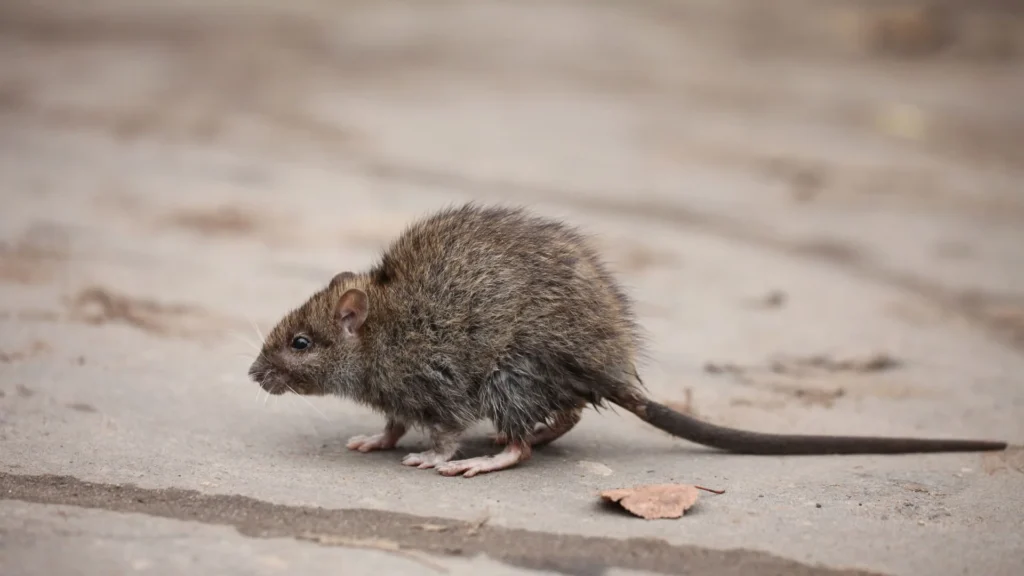
- Tail: A baby rat’s tail is thick, scaly, and proportionally longer than that of a baby mouse. This distinguishing feature is often the easiest way to tell a baby rat from a mouse.
- Ears and Head Shape: Rats have larger, more rounded heads and noticeably smaller ears relative to their body size.
If the baby rat is furred and moving around on its own, it is likely a juvenile rather than a newborn. This distinction is crucial when determining the appropriate course of action.
Newborn Rats: What You Need to Know
Newborn rats are often helpless and require constant care from their mothers to survive. These tiny creatures are born blind and hairless, typically weighing less than an ounce. Newborn rats can be easily mistaken for other small rodents, but they are distinctly different from their counterparts, like newborn mice, due to their size and body features.
If you find a newborn rat in your home, it’s essential to understand that handling or moving the rat too much can reduce its chances of survival. Newborn rats are extremely vulnerable and require immediate care; in most cases, they should be left alone unless an expert is available to assist.
Is the Baby Rat Orphaned?
Before taking action, consider whether the baby rat is truly orphaned. Rats are highly social and protective of their young. If the baby is found alone, the mother may be nearby. However, certain signs indicate the baby rat has been abandoned:
- The baby is cold to the touch, weak, or barely moving.
- It is located in an exposed area with no visible signs of a nest.
- You’ve found multiple baby rats in a similar condition.
- The baby rat has been outside for a long time without any sign of its mother.
If you suspect the mother is still caring for the pup, avoid handling it unless necessary. Moving a baby rat can separate it from its mother, reducing its chances of survival. For professional help and rodent control solutions, contact pest control in Boston to ensure the situation is handled safely and effectively.
What to Do If You Find a Baby Rat
1. Assess the Situation
Before deciding on a course of action, determine where you found the baby rat.
- Inside Your Home: If you find a baby rat indoors, it may be part of a hidden nest. Look around for signs of activity, such as droppings, chewed materials, or a strong, ammonia-like odor.
- Outside Your Home: If the baby rat is outside, it could have been displaced from its nest by predators, construction, or other disturbances. Observe for any adult rats in the area.
2. Avoid Direct Contact
Baby rats, like adult rats, can carry diseases. Although they are less likely to bite than adults, handling them with your bare hands can expose you to bacteria and parasites. If you must pick up the baby rat, use gloves or a towel.
3. Do Not Attempt to Raise the Baby Rat
Some people may feel inclined to care for an orphaned baby rat, but this is not recommended unless you are a trained wildlife rehabilitator. Baby rats require specialized care, including regular feeding schedules and a balanced diet. Furthermore, in many areas, it is illegal to keep wild rats as pets.
4. Contact a Wildlife Rehabilitation Center (If Applicable)
If you believe the baby rat is a wild rat and is truly orphaned, your best option for Boston pest control is to contact a local wildlife rehabilitation center. Some centers may accept orphaned rats, but others may not due to their classification as pests.
5. Contact a Pest Control Professional
Finding a baby rat inside your home is often a sign of a larger problem. Rats reproduce quickly, and a single litter can grow into a full-blown infestation within weeks. If you’ve discovered a baby rat, it’s time to inspect for additional signs of activity. In such cases, it’s essential to contact an experienced exterminator in Boston to assess the situation and implement effective solutions thoroughly.
When to Call South Shore IPM
If you’re dealing with baby rats in your home or yard, it’s best to act quickly. Even one baby rat could indicate the presence of a nest, meaning there could be many more unseen rats nearby.
We take an integrated approach to rodent control, focusing on both prevention and elimination. If you suspect a rat infestation, we recommend the following steps:
- Inspect for Nests: Look for nests made of shredded paper, fabric, or insulation. Rats prefer dark, hidden spaces, so check attics, basements, and crawl spaces.
- Seal Entry Points: Rats can squeeze through holes as small as a dime. Sealing gaps and cracks in your home’s foundation, doors, and windows is crucial in preventing further infestations.
- Remove Food Sources: Rats are attracted to accessible food, so store pantry items in sealed containers and promptly clean up crumbs or spills.
- Set Traps or Bait Stations: Depending on the severity of the infestation, snap traps, electronic traps, or bait stations may be necessary to control the pest. However, these methods should be used strategically to ensure effectiveness.
Customer Testimonial
“Everyone at South Shore IPM has been great! We use them for our mosquito and tick control, and we had mice in our shed. They came out quickly and solved the problem!”
— Stephanie Zweihorn
Conclusion
Discovering a baby rat can be a surprising and concerning experience, but knowing how to handle the situation properly is key. If the baby rat appears orphaned, avoid direct contact and, if possible, contact a wildlife rehabilitator. If you suspect a rat infestation in your home, take preventive measures and contact experts, such as South Shore IPM, for professional assistance.
For more information on our services, contact us today. Let us help you keep your home safe, clean, and rodent-free!
FAQs: People Also Ask
- What is a baby rat tail like?
A baby rat’s tail is thick, scaly, and longer than a baby mouse’s tail. This feature helps differentiate it from other small rodents. - What should I do if I find an orphaned baby rat?
If you find an orphaned baby rat, avoid handling it and contact a wildlife rehabilitator or a professional service. - When should I call a professional for a rat infestation?
If you find a baby rat inside your home or notice significant rodent activity, it’s time to call an exterminator to assess and address the situation. - Can baby rats cause damage?
Yes, baby rats, like adults, can cause damage by gnawing on wires, insulation, and wood, leading to structural issues and fire hazards. - How can I prevent a rat infestation?
Seal entry points, maintain cleanliness, and store food properly to prevent rats from entering your home.
Other related blogs:
Should I Use Rat Traps? A Guide By South Shore IPM