How to Locate a Hidden Earwig Nest on Your Property When the Insects Are Strictly Nocturnal
To locate a hidden earwig nest during the day, look for dark, tightly compressed, high-moisture environments such as beneath landscape timbers, large flat stones, thick mulch layers, or potted plants. Because earwigs are nocturnal and hide from light, finding their nesting sites requires inspecting structural gaps and damp organic debris directly against the foundation where moisture collects.
Waking up to find chewed garden leaves or discovering a fast-moving pest scuttling into a dark corner of your bathroom can easily ruin a peaceful morning. If you are dealing with a sudden surge of these pincher-bearing populations, you are likely trying to figure out how to locate a hidden earwig nest on your property when the insects are strictly nocturnal. It can often feel like playing a game of hide-and-seek where the target only moves when your home’s lights are completely turned off.
Many property owners try to tackle this issue by walking around their lawns late at night with a flashlight, hoping to find where the crawling clusters gather. While this method can show you exactly where the adults are feeding, it does not always reveal the primary nesting zones where eggs are hidden. To achieve real, long-term relief, you must learn to think like a daylight tracker, focusing your energy on identifying the specific damp habitats where these creatures shelter from the sun.
High-Probability Daytime Hiding Spots vs. Active Nighttime Zones
Because these pests are highly sensitive to dehydration, their survival depends entirely on their ability to find areas that remain constantly cool and wet. They possess a natural biological behavioral trait called thigmotaxis, which means they feel most secure when their flattened bodies are tightly pressed between two hard surfaces. This is why you will rarely see them resting out in the open during the morning hours.
When you want to stop an ongoing invasion, understanding their daily movement patterns is incredibly helpful. Utilizing a proactive system for Pembroke pest control relies heavily on mapping these areas out before you apply treatment. The table below contrasts their preferred daytime harborages with their active nighttime feeding zones to help you focus your initial search.
| Environmental Category | Daytime Nesting Harborages | Nighttime Activity Zones | Primary Inspection Focus |
| Organic Landscaping | Beneath rotting logs, inside thick hardwood mulch, under leaf piles | Crawling up flower stems, feeding on young garden seedlings | Check the damp soil layers beneath organic debris |
| Hardscape & Concrete | Inside concrete expansion joints, under walkways, beneath paving stones | Wandering across stone patios, scaling concrete porches | Inspect unsealed gaps between walkways and foundation |
| Structural Perimeter | Underneath low-hanging siding, behind crawlspace vents, beneath door sweeps | Crawling into window screens, scaling gutters, entering garbage bins | Verify tight-fitting door sweeps and intact foundation seals |
| Container & Yard Clutter | Bottom rims of plastic planters, inside empty woodpiles, under trash cans | Scavenging inside outdoor recycling bins and compost piles | Flip over all containers resting directly on the bare ground |
The 4-Step Daytime Tracking Routine
You do not have to wait until midnight to uncover where these moisture-seeking insects are breeding. By using a systematic approach during the day, you can force the colony out into the open and address the problem at its source. Follow this practical, four-step routine around your perimeter to trace the path back to their main nesting grounds.
First, you can easily use their natural behaviors against them by setting a simple trap. This hands-on process allows you to monitor the size of the population without needing to watch your yard all night. Follow these steps to map out the active zones on your property:
- Deploy the Rolled Newspaper Trap: Take a newspaper, roll it up loosely, secure it with a rubber band, and soak it thoroughly with water. Place this damp roll near your foundation plantings in the evening; check inside the tube the following morning to catch the pests that used it as a dark shelter from the sunrise.
- Expose the Foundation Wet Zones: Walk the exterior boundary of your home and carefully lift the edges of decorative landscape rocks, heavy wood bark, or plastic weed-barrier fabrics that directly touch your concrete walls.
- Inspect Vertical Moisture Pathways: Check the dark spaces directly behind gutter downspout splash blocks, underneath air conditioning condensation lines, and beneath leaky outdoor water spigots where water constantly drips into the soil.
- Audit Raised Structures and Planters: Roll back empty wooden barrels, tilt up heavy ceramic flower pots, and move plastic garbage totes to check the flat, muddy ground underneath where female insects like to lay their autumn eggs.
If your daytime tracking reveals a massive, deeply rooted population across your yard, it is often a sign that simple habitat changes are no longer enough. Securing professional pest control in Pembroke, MA can provide the advanced assistance required to establish a clean, secure barrier around your entire foundation line.
Debunking the “Earwigs Burrow Into Human Ears to Lay Eggs” Myth
The single most common industry misconception is that these pests got their common name because they actively seek out sleeping humans to crawl inside their ears, puncture the eardrum, and lay clusters of eggs inside the brain. This is completely biologically impossible. This centuries-old wives’ tale has zero scientific backing and has been thoroughly debunked by entomologists worldwide.
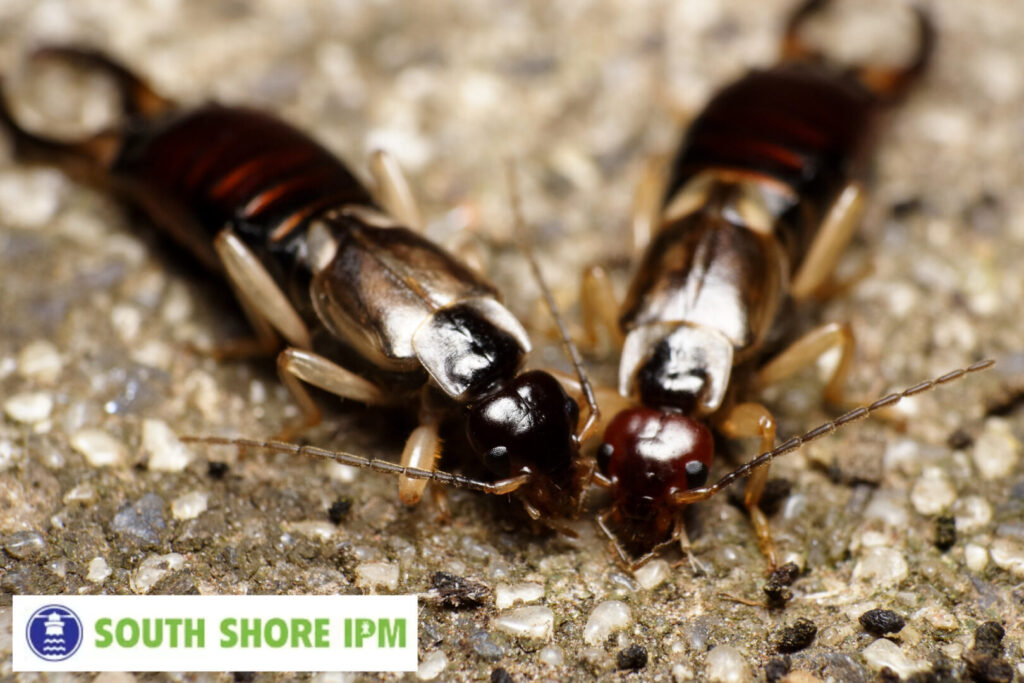
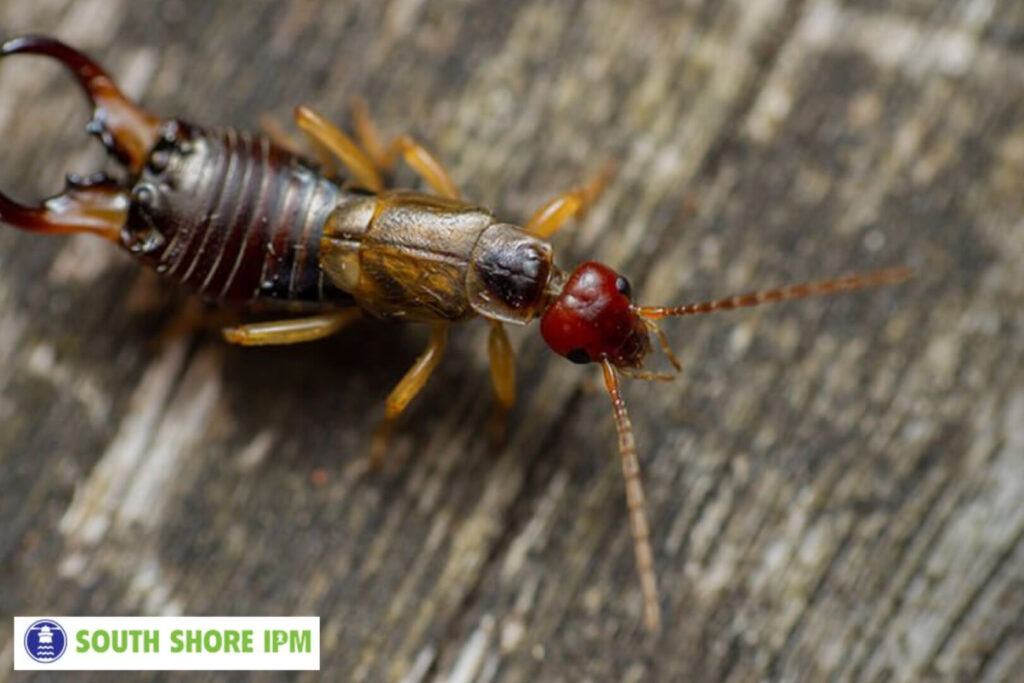
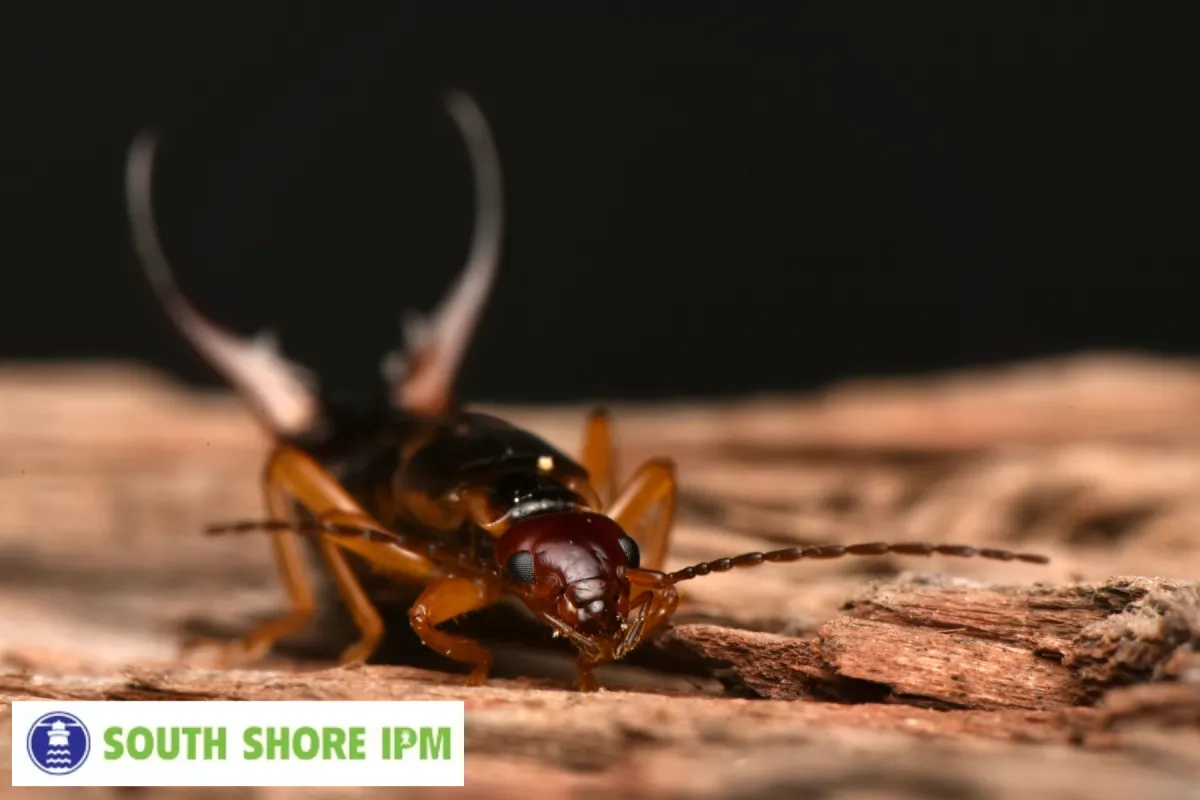
While these creatures do possess sharp-looking forceps, commonly known as pincers, on the rear of their abdomens, they use them strictly for defense against other small insects and during seasonal mating rituals. They carry no venom, do not transmit diseases, and have no interest in human anatomy. Their name actually stems from an old English word, aran-freg, which translates directly to “ear-wing.” This name references the unique, ear-like shape of their delicate hindwings when they are completely unfolded for flight. They prefer laying eggs in cool, damp soil, not mammalian tissue.
Structural and Environmental Specifications for Control
Soil Moisture Threshold
Soil moisture levels directly against the foundation must be kept dry through proper grading and regulated morning irrigation to prevent egg survival.
Mulch Clearance Width
Maintain a clean 6-to-12-inch “dry zone” composed of bare dirt or crushed gravel between all landscaping mulch beds and the exterior home siding.
Forceps Clearance Gap
All structural entry pathways, siding seams, and expansion joints must be filled to less than 1/16 of an inch to deny entry to flattened adult insects.
Mesh Screen Density
All crawlspace vents, soffit openings, and basement windows must be covered with 20-mesh or finer stainless steel woven wire cloth.
Applying our Full-Season IPM Strategy to Solve This
When standard home adjustments are not quite enough to stop nocturnal invaders from crossing your thresholds, our team at South Shore IPM is ready to step in. We bring more than 50+ years of combined experience to every single property we protect, ensuring that your home receives an expert level of care. We do not believe in temporary, short-term options; instead, we rely on our advanced, proprietary integrated pest management strategy to deliver a permanent solution.
Our process always begins with a highly detailed, comprehensive inspection of your entire residential structure. Our trained technicians do not just look at where you saw the bugs; we trace the underlying moisture tracks, map out hidden outdoor harborages, and identify the exact structural gaps that allow pests to slip inside. This thorough diagnostic work allows us to pinpoint exactly how to locate a hidden earwig nest on your property when the insects are strictly nocturnal, taking the guesswork out of home protection.
Once we understand the layout of the infestation, we build a tailored defense plan using premium eco-friendly and pet-safe products. We focus our efforts on creating a durable exterior barrier around your home, treating the specific nesting sites uncovered during our daytime audit. This targeted approach allows us to eliminate the colony at its source while using green and safe pesticides that keep your children, pets, and the local environment completely protected.
Throughout the entire process, our office is completely committed to delivering exceptional customer service. We provide attentive, responsive support from the moment you request a free estimate until your final seasonal service is complete. Our friendly, neighborly technicians take the time to answer your questions, explain our findings, and provide helpful education so you can feel stress-free and confident that your home is in professional hands.
Managing Seasonal Environments Near Your Property
The unique coastal weather patterns and landscaping styles in our region have a direct impact on how pests move through the soil. During a recent comprehensive residential property walkthrough for a homeowner in Pembroke, our technicians noticed that a heavily shaded backyard with thick oak leaf litter was retaining rainwater for days after a storm. This damp environment allowed earwigs to multiply rapidly right next to the back patio steps.
Partnering with an experienced exterminator in Pembroke, MA ensures that your seasonal property protection is timed perfectly to match these environmental shifts. By using proactive methods to manage exterior moisture and sealing foundational cracks before the seasonal migration peaks, we can stop bugs from ever reaching your indoor floorboards. Investing in a reliable defense plan allows you to stay ahead of the weather, ensuring your home remains a dry, comfortable, and pest-free environment all year long.
People Also Ask
Q: Do earwig eggs survive freezing winter temperatures?
Yes. While adult insects often struggle to survive severe winter freezes in unprotected environments, the eggs laid in the soil during late autumn are highly resilient. They remain safe beneath the frost line, protected by the insulation of dirt and mulch, and hatch into a new generation as soon as early spring temperatures begin to warm up the ground.
Q: Why do I always find these specific pests inside my kitchen or bathroom sinks?
They do not actually crawl up from the municipal sewer system or live inside your plumbing drains. Because they are nocturnal and actively seek out areas with high humidity, they wander into kitchens and bathrooms at night to drink from standing water droplets. Once they climb down into a smooth porcelain or stainless steel sink, the slippery vertical walls make it impossible for them to climb back out, leaving them trapped in plain sight.
Q: Are the pincers on a male earwig physically different from a female?
Yes, you can easily tell the sexes apart by looking closely at the shape of their abdominal forceps. Male insects possess large, thick pincers that are distinctly curved like a pair of tongs, while female insects have completely straight, parallel forceps. Both sexes utilize these unique appendages primarily for defense against larger yard predators and during seasonal courtship rituals.
Secure Your Home Against Nocturnal Invaders
You deserve to feel completely relaxed and at ease in your own home, without worrying about what might be crawling across your floors after dark. At South Shore IPM, we are dedicated to being your trusted, eco-conscious partner, combining advanced technical knowledge with genuine care for our local community. Our business decisions are guided by a commitment to environmental responsibility, customer satisfaction, and personalized service that fits your family’s exact needs.
Don’t spend another season dealing with recurring pest frustrations or ineffective treatments. Let our experienced professionals implement a custom defense barrier that gives you the long-term protection and peace of mind you deserve. We invite you to explore our popular Full Season Service or check out our targeted Mosquito Protection Packages to keep your entire yard comfortable. We are also proud to support local families by offering special discounts for military members, seniors, teachers, and first responders.
Ready to clear out hidden pests and protect your home for the upcoming season? Contact us today to request your free quote!