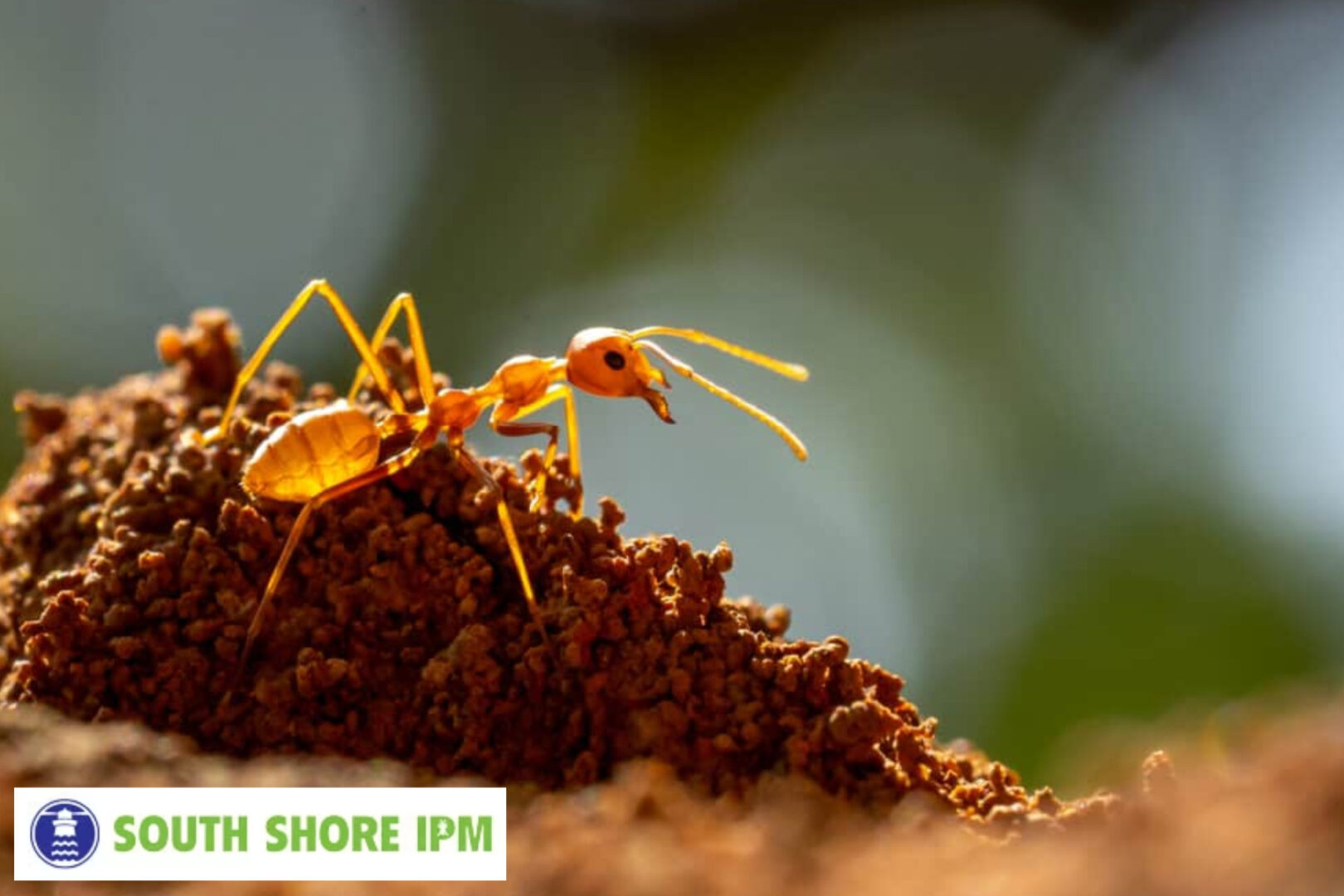
From Kitchen Crumbs to Wall Cracks: What Attracts Black Ants Into Your House
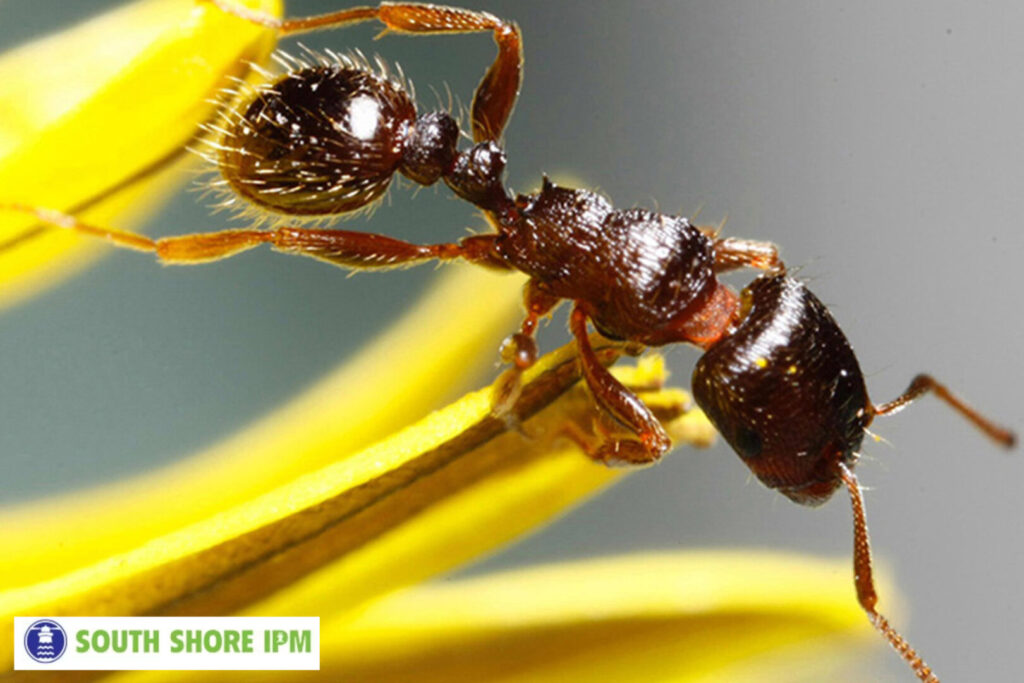
Black ants are a common household pest in Plymouth, often seen marching across kitchen countertops or scurrying along baseboards. While their presence might seem like a minor inconvenience, these ants can cause significant problems if left unchecked. Understanding what attracts black ants in the house can help you prevent their entry and take effective action when necessary.
The Mystery of Black Ants: Why Are They Coming In?
Black ants in home environments are not an accidental occurrence. These pests are typically drawn to specific conditions that make your house an ideal habitat. Whether you are asking, “What attracts ants to homes?” or wondering, “Why are there black ants in my house?”, the answer is often related to food, moisture, and shelter.
Food Scraps: The Ultimate Lure for Ants
The most common factor that attracts ants in the house is food. Crumbs, spills, and even pet food are irresistible to black ants. They can detect food scents from a distance and send out workers to forage for anything edible. This is why kitchens and dining areas are prime targets for black ants.
In particular, black ants in home environments are drawn to sugary substances, greasy foods, and proteins. Crumbs left behind after meals or sticky soda spills are magnets for ants. The ants leave a pheromone trail to guide others to the food, ensuring the entire colony is involved.
Water Sources: More Than Just a Food Hunt
Besides food, black ants are also attracted to moisture. Leaky pipes, damp spots around sinks, or condensation from appliances like fridges can be enough to draw ants inside. Black ants in house environments will follow water sources into homes, especially when their natural moisture sources outside are scarce.
Indoor plants can also contribute to moisture buildup, making them ideal spots for black ants to thrive. If you see black ants in your home near water sources or plants, addressing moisture issues early and contacting pest control in Plymouth, MA can prevent an infestation.
Cracks and Gaps: Easy Access Points for Ants
Another reason for black ants in house environments is the easy access points they find around your home. Cracks in walls, gaps around windows, and openings in door frames are all common entry points. Ants can slip through the tiniest crevices to access food and moisture inside your home.
Once inside, ants will seek out suitable nesting areas. These nests are often hidden in walls or under floors, which can make them difficult to detect. Sealing cracks and gaps can greatly reduce the chances of ants entering your home.
Pheromone Trails: How Ants Find Their Way
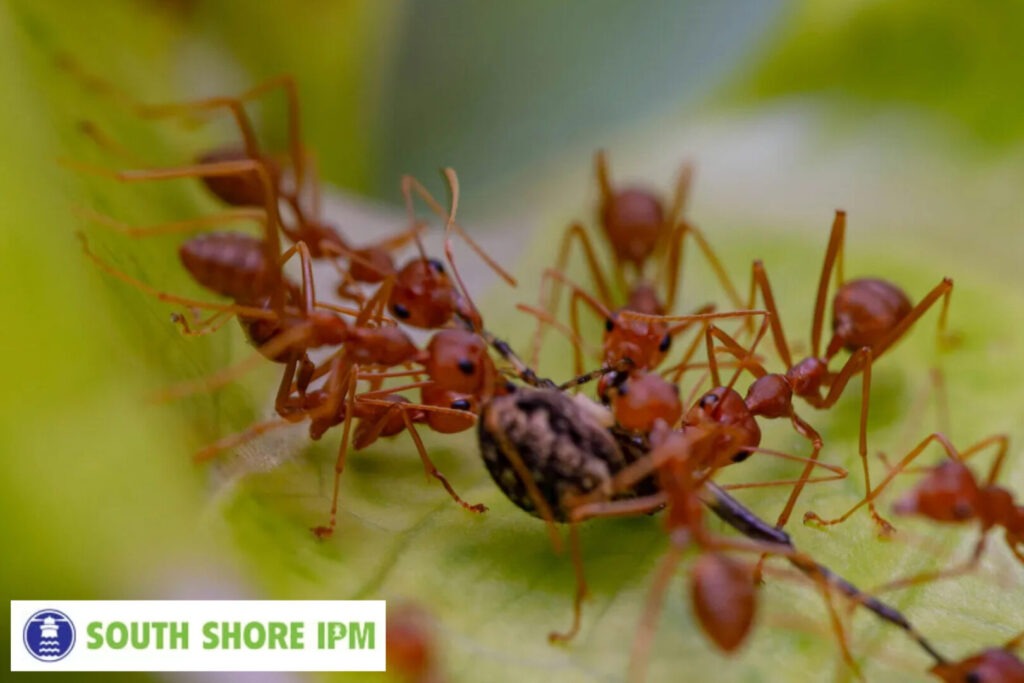
Ants leave behind pheromone trails to guide other ants to food sources. When a single ant finds a crumb, it lays down a chemical trail to ensure the entire colony will follow. This trail can lead to a persistent black ant infestation if not broken.
When asking “what brings ants into the house?”, it’s important to remember the role of pheromone trails. Cleaning up food crumbs immediately and wiping down surfaces helps break the trail, making it less likely that more ants will follow.
Do Black Ants Bite?
While black ants don’t generally pose a serious threat to humans, they can bite if threatened. Their bites are typically harmless but may cause irritation. Black ants usually bite when they feel provoked or if they’re protecting their nests. However, people with insect-bite allergies should be cautious when dealing with any black ant infestation.
The Role of Nesting Sites
Black ants establish their nests in areas with ample access to food and moisture. These nests can be located inside your home or outside. Once inside, the nests can grow rapidly, leading to a full-scale infestation. Common nesting sites for black ants in homes include under sinks, inside walls, and beneath floorboards. For effective carpenter ant control, it’s important to address these nesting sites as soon as they’re detected.
How to Prevent and Control Black Ants
Prevention is the most effective way to keep black ants out of the house. Here are essential steps to take, and for lasting results, consider professional pest control in Plymouth:
- Keep Food and Surfaces Clean: Regularly clean kitchen counters, dining tables, and floors to remove food particles that may attract ants. Store food in airtight containers.
- Seal Entry Points: Inspect your home for cracks, gaps, and holes that ants could use to enter. Seal these openings with caulk or weatherstripping.
- Fix Water Leaks: Fix leaky faucets and pipes promptly to eliminate water sources that may attract ants. Pay attention to moisture buildup in bathrooms, kitchens, and basements.
- Professional Ant Control: If you’re struggling with a black ant infestation, professional treatment is the most effective way to eliminate it. Plymouth pest control professionals can identify the source of the infestation and provide customized treatments. For residents, consider contacting South Shore IPM for eco-friendly, comprehensive solutions.
About South Shore IPM
South Shore IPM is a trusted partner to homeowners and businesses in Plymouth, MA, offering effective, eco-friendly solutions. We specialize in managing a variety of pests, including black ants, termites, rodents, and more. Our goal is to help you maintain a comfortable, pest-free environment with minimal disruption to your daily life. Whether you’re dealing with a black ant infestation or need general pest control, our team is here to provide the expertise you need.
Need help with black ants in your home? Contact us today for a free estimate and expert pest control solutions!
FAQ: People Also Ask
1. Why are black ants attracted to my Plymouth home?
“Black ants are attracted to food and moisture, which are common in homes. Sealing cracks and fixing leaks will help prevent infestations.”
2. How do I keep black ants out of my Plymouth kitchen?
“Store food in airtight containers and clean crumbs regularly. Sealing cracks and fixing water leaks in homes will also help.”
3. What are the most common types of ants in Plymouth, MA?
“Common ants in the city include the Odorous House Ant and Pavement Ant, both of which are drawn to food and moisture.”
4. Should I call an expert for black ants?
“Yes! We offer professional solutions for black ants and can provide tailored treatments in Plymouth, MA.”
Other related blogs:
Do Carpenter Ants in Dorchester Bite? What Every Homeowner Needs to Know
Don’t Ignore These Black Clues: How to Spot a Carpenter Ant Infestation Early
What Is the Best Ant Killer?