Battling the Wood Destroyers: Carpenter Ants vs. Termites Who’s the Real Culprit?
When it comes to protecting your home, carpenter ants and termites are two pests that can cause significant damage to the structure. While they’re often confused with each other, these wood-destroying insects have distinct differences. Identifying the culprit correctly is crucial to preventing costly damage. In this article, we’ll explore the characteristics of carpenter ants vs termites, how to identify them, and most importantly, how to protect your home from their destructive power.
Carpenter Ants: The Silent Destroyers
Carpenter ants are among the most common pests found in homes. Unlike termites, which feed on wood, carpenter ants do not consume wood. Instead, they tunnel through it to create nests. They can infest structural wood, insulation, and even wooden furniture. Carpenter ants prefer to nest in moist, decayed wood, but they are also known to burrow into sound timber if there is sufficient moisture to support their colony.
Identifying Carpenter Ants
Carpenter ants are typically black or red, and they can grow between 1/4 and 1/2 inch long. These ants have smooth, rounded bodies and are often mistaken for termites because of their dark coloration. However, carpenter ants have large, segmented bodies, while termites have soft, straight bodies. Carpenter ants also have noticeable elbowed antennae, which distinguishes them from termites.
When carpenter ants invade your home, you may see them foraging for food or hear a rustling noise coming from within the walls or other wooden structures. Carpenter ant infestations usually start outdoors, where they live in rotting trees or decaying logs. However, once the colony grows large enough, the ants will seek a new nesting area indoors.
Damage Caused by Carpenter Ants
While carpenter ants do not consume wood like termites, their nesting activities can still cause significant damage. They tunnel into wood to create galleries for their nests. Over time, this can weaken the wood’s structural integrity, especially in moist or water-damaged areas. If left unchecked, a large infestation can damage beams, insulation, and other vital structural components of your home.
Unlike termites, which can eat away at the structure, carpenter ant damage typically involves hollowed-out wood that weakens the surface but doesn’t penetrate the material as deeply. However, when comparing carpenter ant damage vs termite damage, the latter is often more destructive because termites can consume the wood completely, causing extensive damage that might go unnoticed for months or even years.
How to Control Carpenter Ants
If you suspect a carpenter ant infestation in your home, it’s essential to act quickly to prevent further damage. To address the problem, you can apply baits or use pest control services in Plymouth, MA, to ensure the colony is eradicated. Carpenter ants are notorious for being difficult to control, so it’s often best to enlist the help of a professional service to locate and treat the nest effectively.
Termites: The True Wood Destroyers
Termites are infamous for eating through wood, and their presence in or around a home is a serious concern. Unlike carpenter ants, which tunnel through wood to build nests, termites consume wood for sustenance. They feed on cellulose, a compound found in wood, and can cause extensive structural damage if left untreated.
Identifying Termites
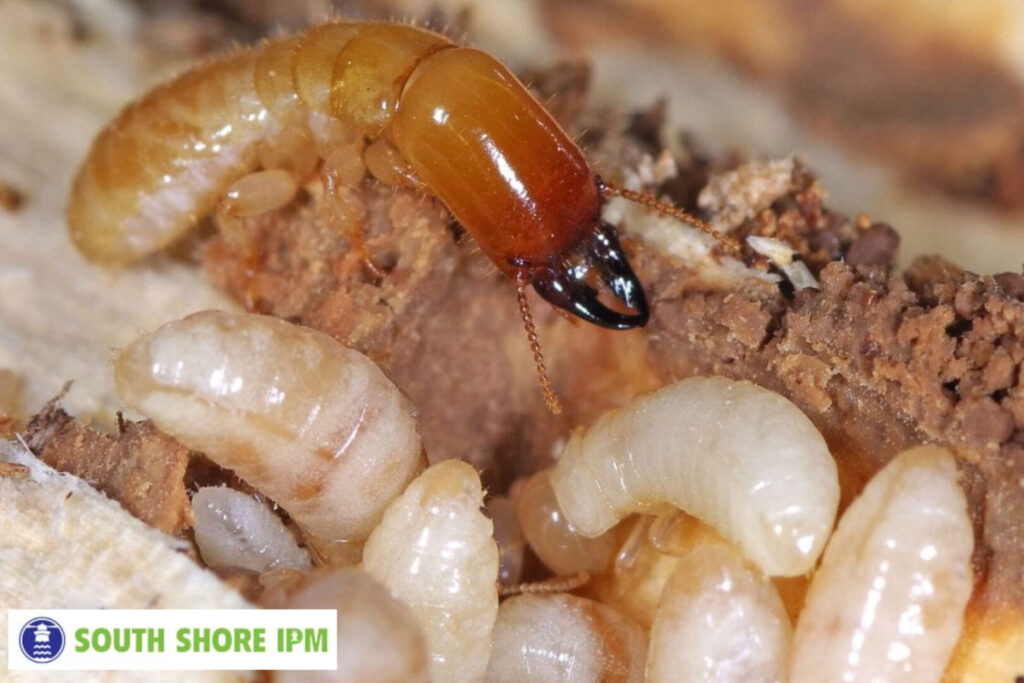
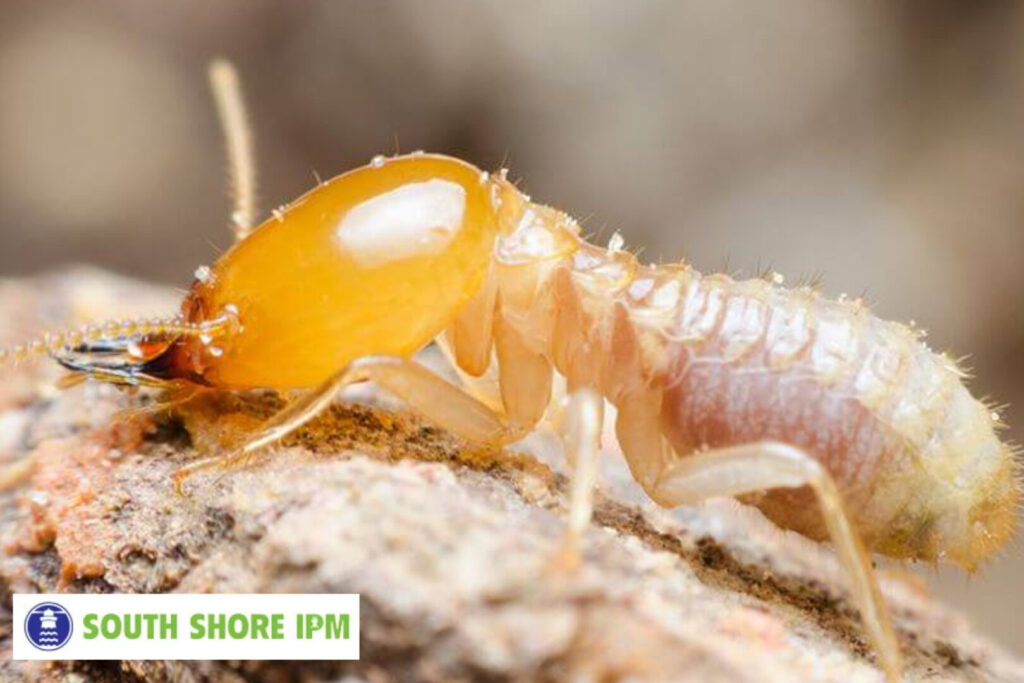
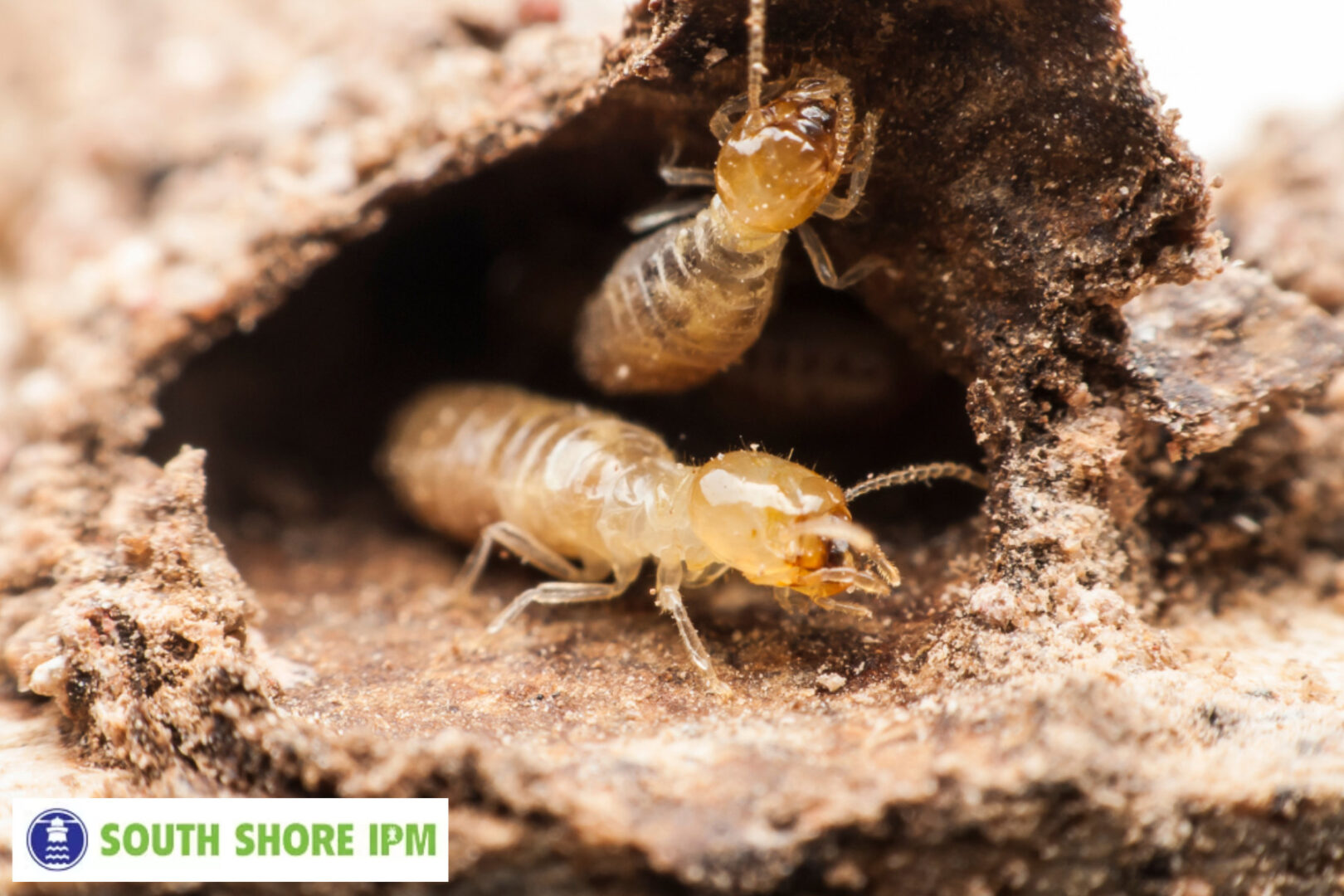
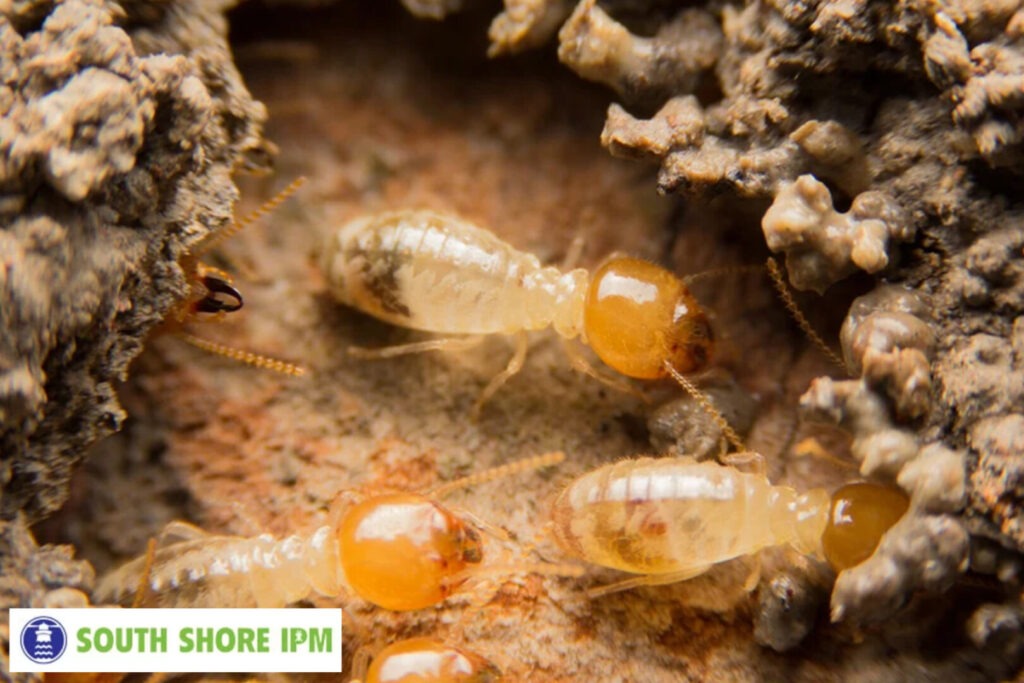
Termites are typically light-colored, with some species appearing translucent. They have straight bodies, unlike carpenter ants, which are segmented. One of the most distinguishing features of termites is their consecutive antennae, compared to the elbowed antennae of carpenter ants. Termite wings are also longer than their bodies, another key characteristic that distinguishes them from carpenter ants.
There are several types of termites, but the two most common types that invade homes are subterranean termites and drywood termites. Subterranean termites are often found in the ground and create mud tubes to travel to a structure, while drywood termites infest wooden structures without the need for moisture.
Damage Caused by Termites
Termites are far more destructive than carpenter ants. Because they consume wood, they can damage structural beams, wooden furniture, drywall, and insulation. Subterranean termites, in particular, are notorious for causing extensive damage to the foundations and other infrastructure of homes. The damage caused by termites is often hidden, as they tunnel through wood, leaving only a thin surface layer intact.
When comparing wood ants vs termites damage, termites will often cause the most significant and costly damage, as they eat the wood from the inside out, potentially compromising the structure’s strength.
Signs of termite infestation include the presence of mud tubes, small holes in wood, or frass (termite droppings). If you suspect a termite problem, it’s critical to act quickly because termites can cause thousands of dollars’ worth of damage if left untreated.
How to Control Termites
Controlling termites requires professional intervention. Pest control services in Plymouth, such as bait systems or liquid treatments, can be used to eradicate these pests and prevent future infestations. If you see signs of termites, it is best to call an expert immediately for an inspection and treatment.
Carpenter Ants vs Termites: The Key Differences
While both carpenter ants and termites can damage wooden structures, they do so in different ways. Below are the key differences that will help you identify who the real culprit is:
- Feeding Habits
- Carpenter Ants: They do not eat wood, but tunnel through it to build nests.
- Termites: Consume wood for sustenance, eating through it as they feed.
- Physical Appearance
- Carpenter Ants: Large, segmented bodies with elbowed antennae. They are black or red.
- Termites: Straight bodies with straight antennae. They are often pale and translucent.
- Damage Type
- Carpenter Ants: Create galleries inside wood, weakening the structure.
- Termites: Consume wood, leading to the destruction of the material.
- Nesting Preferences
- Carpenter Ants: Prefer moist, decayed wood or even sound wood with enough moisture.
- Termites: Often found in wooden structures or the soil, where they create colonies and feed on the wood.
- Detection and Control
- Carpenter Ants: Can be controlled with baits or sprays; however, locating the nest is essential for eradication.
- Termites: Require specialized treatment, such as bait stations or liquid treatments, to fully eliminate the infestation.
Protecting Your Home from Wood-Destroying Pests
Whether you’re dealing with carpenter ants or termites, early detection and intervention are key to protecting your home from significant damage. Here are a few tips to keep your home safe:
- Inspect regularly: Check for signs of damage or activity in areas like the attic, basement, and crawl spaces.
- Eliminate moisture sources: Both carpenter ants and termites are attracted to moisture. Repair leaks and ensure proper drainage around your home.
- Seal entry points: Make sure that cracks and gaps in your home’s foundation, windows, and doors are sealed to prevent pests from entering.
- Call a professional: If you suspect an infestation, contact a Plymouth pest control service to assess and treat the problem.
In Conclusion
Both carpenter ants and termites are serious threats to your home’s integrity. By understanding the differences between these two pests, you can take the necessary steps to prevent or control their presence. Whether you’re dealing with a carpenter ant nest or a termite colony, it’s always best to call in the experts to handle the situation effectively and prevent further damage.
About South Shore IPM
South Shore IPM is your trusted partner in creating pest-free environments. We offer innovative, eco-friendly pest management services tailored to your needs. From carpenter ants and termites to general pest control, our team has the expertise to handle a wide variety of pests.
If you suspect an infestation in your home, don’t hesitate to reach out to us for an inspection and safe, effective treatment.
FAQ: People Also Ask
1. Do earwigs bite?
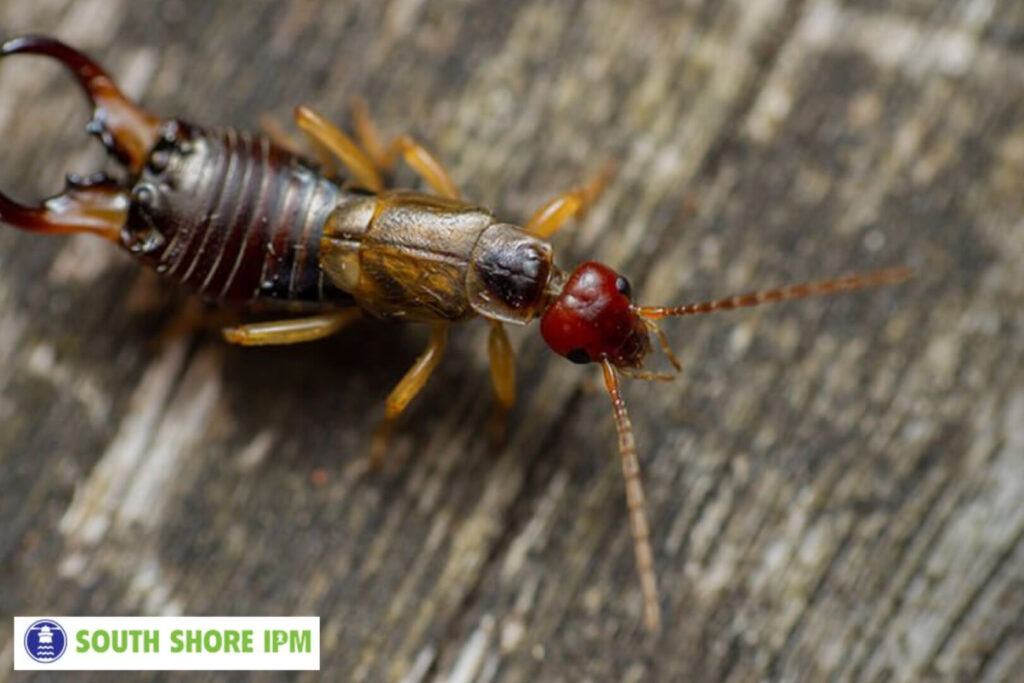
Earwigs are not aggressive and are unlikely to bite humans. While their pincers may pinch if threatened, they are not harmful.
2. Are earwigs dangerous?
No, earwigs are not dangerous to humans. They do not transmit diseases, but they can cause damage to plants and be a nuisance if they infest your home.
3. How do I prevent earwigs from coming inside?
Seal cracks and gaps in windows and doors, eliminate moisture inside the home, and reduce outdoor lighting at night to prevent earwigs from being attracted to your property.
4. What are some pests that look like earwigs?
Silverfish, cockroaches, and centipedes are often confused with earwigs due to their similar appearance and nocturnal activity.
5. Do earwigs travel in groups?
While earwigs are mostly solitary, they can sometimes be found in groups when they seek shelter in damp environments or when there is an abundance of food. However, they do not travel in groups the way ants do.
Other related blogs:
From Kitchen Crumbs to Wall Cracks: What Attracts Black Ants Into Your House
Don’t Ignore These Black Clues: How to Spot a Carpenter Ant Infestation Early
What Is the Best Ant Killer?